Prefabricated Concrete House Assembly
Prefabricated concrete house assembly is a construction method where building components are pre-fabricated in factories and then transported to the construction site for assembly.
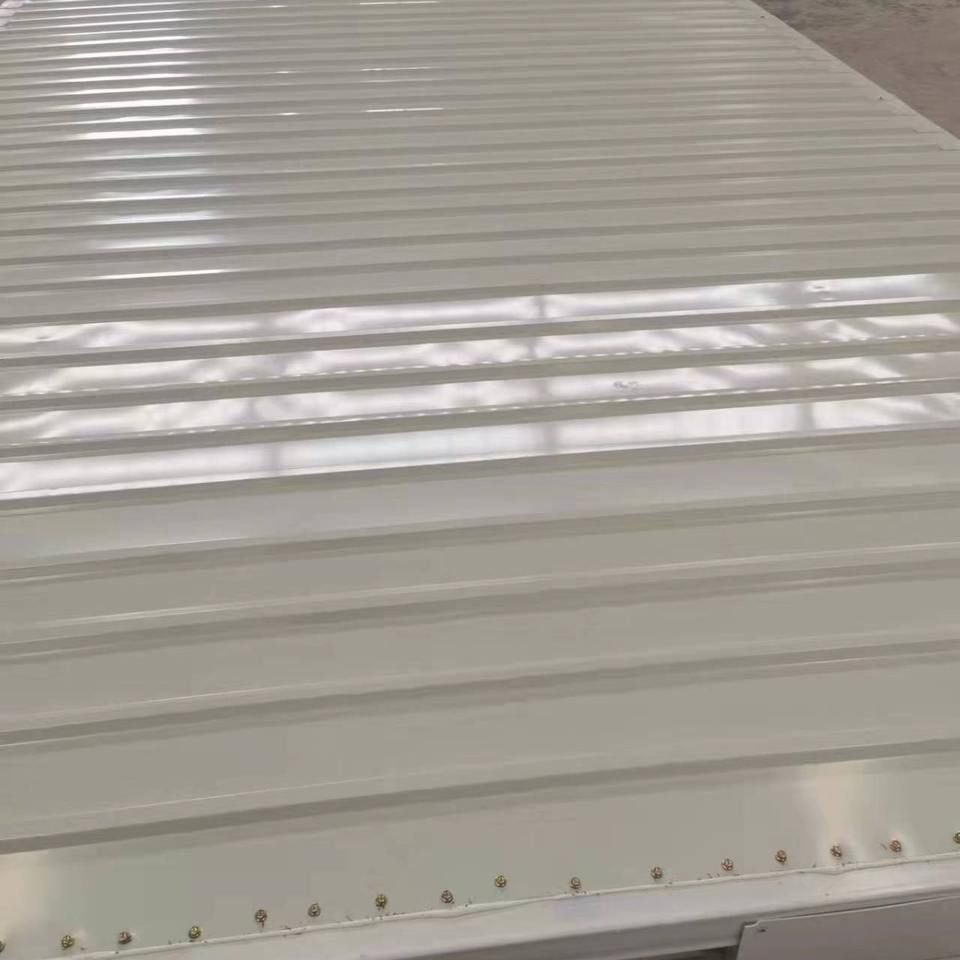
I. Classification Prefabricated concrete buildings are divided into two categories: fully prefabricated buildings and partially prefabricated buildings. Fully prefabricated buildings are typically low-rise or multi-story buildings with lower seismic fortification requirements, where all components are prefabricated and only need to be connected and assembled on-site. Partially prefabricated buildings combine prefabricated components with cast-in-place concrete, with major components (such as beams, columns, and floor slabs) being prefabricated and then cast on-site to form an integral structure, suitable for high-rise buildings or those with higher seismic requirements.
II. Construction Process
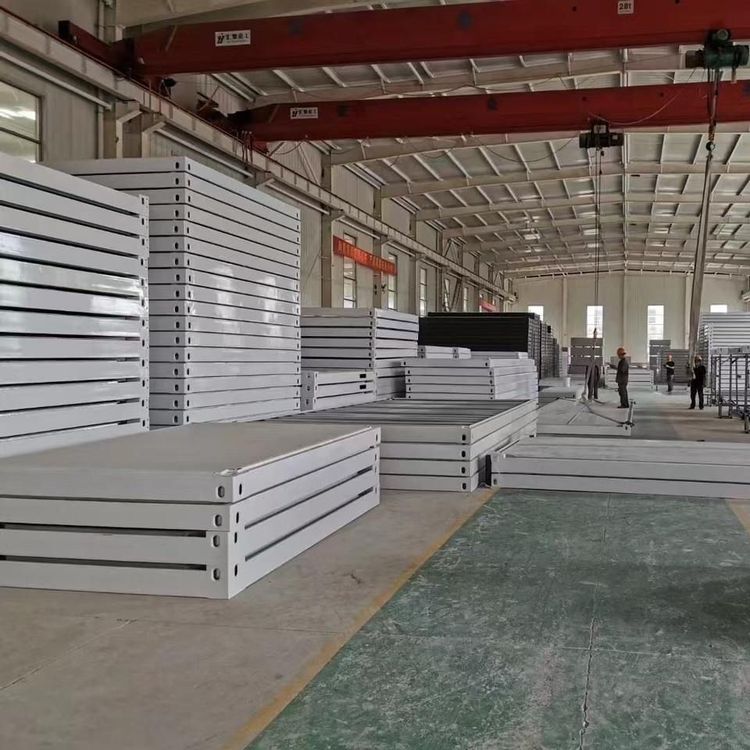
- Prefabricated Component Production: Components such as wall panels, floor slabs, and stairs are produced in factories using standardized molds, steel bars, and concrete. After pouring, curing (such as steam curing) is required to improve strength and durability, ensuring stable component quality.
- Foundation Construction: Similar to traditional buildings, pits need to be dug on the building site, moisture-proof membranes laid, and waste concrete or gravel poured as the foundation. Some projects use prefabricated pile foundations to improve efficiency.
- Transportation and Assembly: Prefabricated components are transported to the site and reliably connected through methods such as bolt connections, welding, or post-pouring concrete. For example, wall panels and floor slabs may be fixed by inserting reserved steel bars into sleeves and pouring high-strength mortar.
III. Advantages
- Efficiency Improvement: Construction speed is 30%-50% faster than traditional methods. For example, the construction period of a public housing project in Shenzhen, Guangdong, was shortened from 2.5-3 years to 1 year, and on-site labor was reduced by about 50%.
- Quality Control: Factory production reduces human errors, with high dimensional accuracy of components and better structural integrity than on-site pouring.
- Green and Environmentally Friendly: Reduces formwork use, construction waste emissions, and dust pollution, aligning with the concept of 'full-cycle green construction'. For example, a project in Quzhou, Zhejiang, reduced concrete usage by 20% through optimized design and recycled waste materials.
- Reduced Disturbance to Residents: On-site operations are reduced, significantly weakening the impact of noise and dust on the surrounding environment.
IV. Application Cases The functional area project of the Quzhou Comprehensive Bonded Zone in Zhejiang adopted prefabricated technology and optimized design with BIM (Building Information Modeling), achieving zero accidents and zero pollution during construction. The public housing project in Shenzhen, Guangdong, achieved an assembly rate of over 90% for single buildings through modular assembly, providing a new model for high-density urban housing construction.