
Prefabricated Components for Building Structures
Prefabricated components for building structures are core elements in the construction approach of industrialized production of building components and on-site assembly, covering prefabricated products such as beams, slabs, walls, and columns, which are transported to the construction site for direct assembly after standardized factory production.
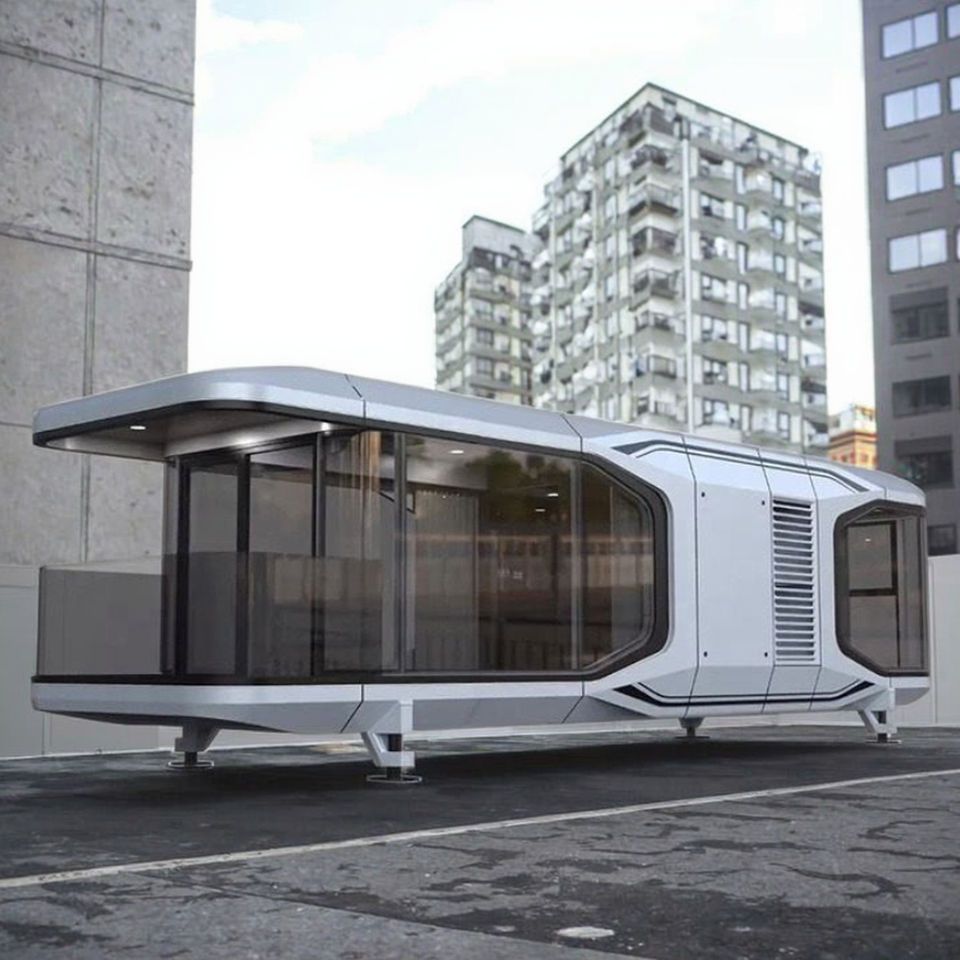
Technical Classification and Typical Products
Prefabricated component technology is mainly divided into two categories: prefabricated concrete structures and steel structures. Prefabricated concrete structures use cement, steel bars, and other materials, which are molded through casting in molds. Common products include prefabricated cement wall blocks with windows and prefabricated units integrating beams and slabs. Steel structures, on the other hand, use steel as the framework, covered with insulation and decorative materials, forming high-strength and lightweight building modules. Both technologies achieve standardized factory production, transforming traditional on-site wet construction into dry construction, significantly improving construction efficiency.
Core Advantages
- Shortened Construction Period: Factory prefabrication and on-site assembly occur simultaneously, reducing cross-工序 (cross-process) interference. For example, after adopting prefabricated components, the construction period in Shaowu Bamboo and Wood Industrial Park was shortened by 50% compared to traditional methods; the construction period for modular buildings was shortened by more than 60% compared to traditional methods, and the construction speed for box-type prefabricated buildings increased by 50%-70%.
- Reduced Errors: Factory machine production achieves millimeter-level precision, avoiding uncertainties in on-site manual operations and improving the consistency of component dimensions.
- Enhanced Earthquake Resistance: Prefabricated components form an integrated structure through node connection technologies (such as grout sleeves and bolt anchoring), offering superior earthquake resistance compared to traditional masonry buildings. For example, Broad Homes' fully assembled buildings can withstand earthquakes of magnitude six or seven.
- Environmental Protection and Energy Efficiency: Factory production reduces on-site dust and noise pollution, with material waste rates decreased by more than 30%; modular buildings can recycle components, meeting green building standards.
Application Scenarios
- Panel-Type Prefabricated Buildings: These use prefabricated wall panels and floor slabs as core components, forming a load-bearing system through superposition and connection, suitable for standard-floor buildings such as residential houses and office buildings.
- Box-Type Prefabricated Buildings: Functional units such as bathrooms and kitchens are prefabricated into independent 'boxes' for on-site assembly, significantly improving construction speed and commonly used in repetitive spaces like hotels and apartments.
- Modular Buildings: These integrate structure, equipment, and decoration into one unit, with construction periods shortened by more than 60% compared to traditional methods, widely applied in scenarios such as temporary housing and emergency hospitals.
Development History and Current Status
Prefabricated concrete technology in China began in the 1950s, initially used for factory and residential construction; in the 21st century, due to environmental protection needs and rising labor costs, prefabricated building technology has seen a resurgence. Companies like Vanke have developed prefabricated shear wall residential structural systems, promoting technological standardization. Existing prefabricated panel houses (with prefabricated panels as the main components) are gradually being replaced by cast-in-place concrete and prefabricated buildings due to issues such as weak earthquake resistance and poor sound and thermal insulation. Modular prefabricated buildings (such as steel structures and concrete forms), with advantages such as short construction periods and energy efficiency, continue to expand in domestic and international markets. In the first four months of 2026, the export value of movable houses in the Guangzhou Customs area reached 1.4 billion yuan, a year-on-year increase of 38.1%.



