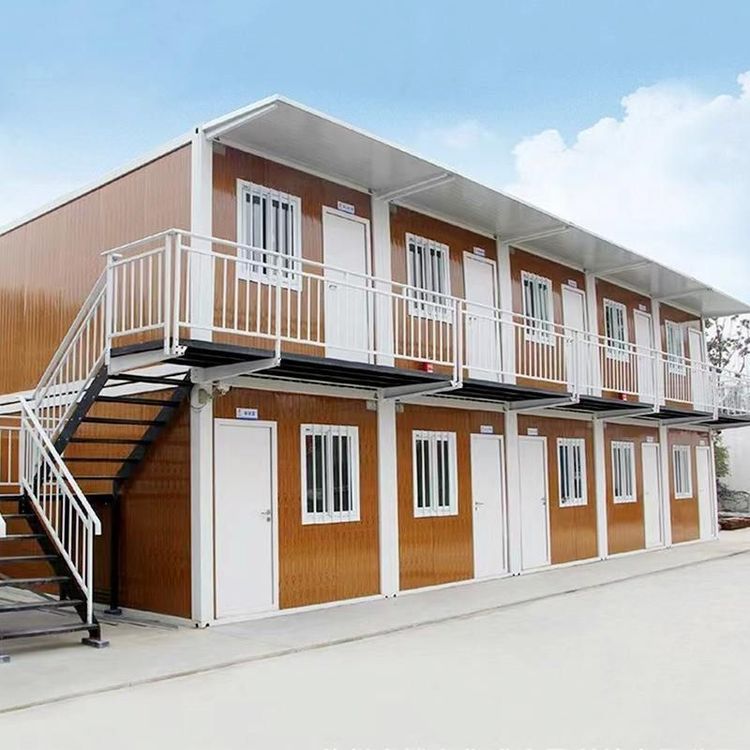
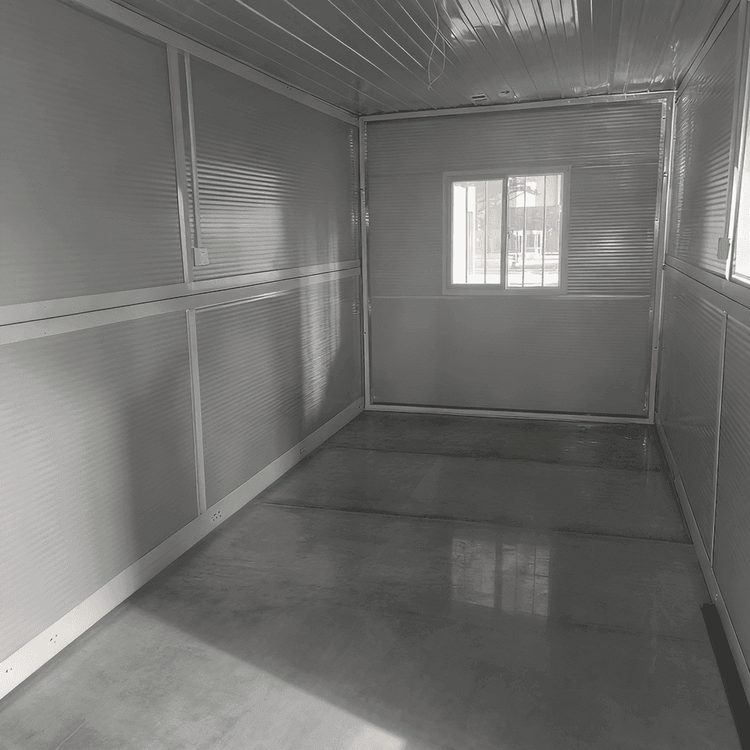
Leakage at Joints of Prefabricated Cement Houses
The main causes of leakage at the joints of prefabricated cement houses are the aging and failure of the waterproof layer at the joints and improper construction and assembly.

Aging and Failure of the Waterproof Layer
Prefabricated cement houses are typically constructed by joining multiple prefabricated panels together. A waterproof layer is installed at the joints to prevent rainwater from seeping in. However, over time, the waterproof layer gradually ages, and its waterproof performance declines. When the waterproof layer ages to a certain extent, it loses its waterproofing function, allowing rainwater to seep into the house through the joints. This situation is particularly common in older houses, often resulting in the phenomenon of 'heavy rain outside and light rain inside.' Moreover, repairing the waterproof layer at the joints is challenging, and even after repairs, leakage problems often recur.
Improper Construction and Assembly
In addition to the aging and failure of the waterproof layer, improper construction and assembly during the building process are also significant causes of leakage at the joints. During the construction of prefabricated cement houses, if the sealing treatment at the joints is inadequate or the assembly is not carried out strictly according to specifications, gaps or voids may form at the joints. These gaps or voids serve as channels for rainwater to seep in, leading to leakage problems. Furthermore, if the materials selected for the joints are inappropriate or the construction quality is poor, it can affect the sealing and durability of the joints, increasing the risk of leakage.
To effectively address the issue of leakage at the joints of prefabricated cement houses, a series of measures should be taken. First, the aging waterproof layer should be promptly replaced or repaired to ensure its integrity and effectiveness. Second, during construction, assembly operations should be carried out strictly according to specifications to ensure proper sealing treatment at the joints. At the same time, reliable and stable joint materials should be selected to enhance the durability and water resistance of the joints. Finally, regular inspections and maintenance of the house should be conducted to promptly identify and address potential leakage problems, ensuring the normal use and living safety of the house.