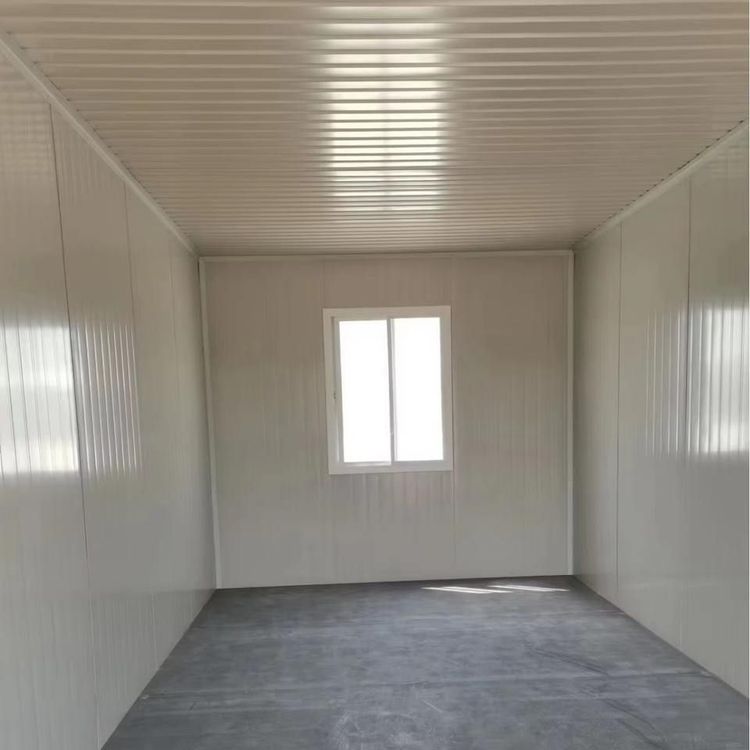
Prefabricated Building Hoisting
Prefabricated building hoisting is a construction method that involves prefabricating components and assembling them on-site through hoisting, characterized by short construction periods and simple installation. It can be divided into the following types and features:

I. Hoisted Houses These are prefabricated buildings that can be moved as a whole by cranes without disassembly. The main structures fall into two categories:
- Metal Decorative Insulation Panels: Made by compounding carved aluminum-zinc alloy steel plates with polyurethane insulation layers, these panels can present decorative effects such as marble and cultural stone on their surfaces, combining insulation and aesthetics.
- Concrete Modules: Prefabricated in factories and then hoisted on-site, these modules have functions such as earthquake resistance, fire prevention, and energy conservation. For example, the rural revitalization project in Huoshaocheng Village, Shimen Town, Tianzhu County in 2023 used hoisted houses as affordable housing, demonstrating their applicability.
II. Modular Buildings Buildings are disassembled into independent modules, and all processes such as ceilings, floors, and water and electricity pipelines are completed in factories before being transported to the site for assembly. For example, a public housing project in Shenzhen, Guangdong, was assembled from 6,028 concrete modules, reducing the completion and delivery period from 2.5 - 3 years to 1 year and decreasing on-site labor by about 50%. Its core advantage lies in a high degree of industrialization, ensuring component accuracy through assembly-line production and reducing on-site construction errors.
III. Hoisting Engineering This refers to the construction trade of using hoisting equipment to lift components and install them at designed positions, divided into two categories:
- Piece-by-Piece Hoisting: Hoisting and fixing components one by one.
- Overall Hoisting: Assembling components into a complete structure on the ground and then hoisting them in one go. Common equipment includes tower cranes and crawler cranes. For example, the permanent headframe hoisting project of the main shaft of Jinqiao Coal Mine by Shandong Ronghui Group in 2026 adopted a segmental hoisting method, demonstrating the application of large equipment in complex projects.
IV. Construction Features Compared with traditional processes, prefabricated hoisting buildings have the following advantages:
- Short Construction Period: The construction period of modular buildings can be shortened by more than 60%.
- Controllable Quality: Factory production reduces human interference, resulting in higher component accuracy.
- Energy Conservation and Environmental Protection: Reduces on-site noise, dust, and construction waste, and alleviates traffic congestion.
- Convenient Maintenance: Standardized components facilitate later inspection, repair, and replacement.
This technology combines industrial production with rapid on-site assembly, providing an efficient and sustainable solution for the construction industry.