Prefabricated Beam House
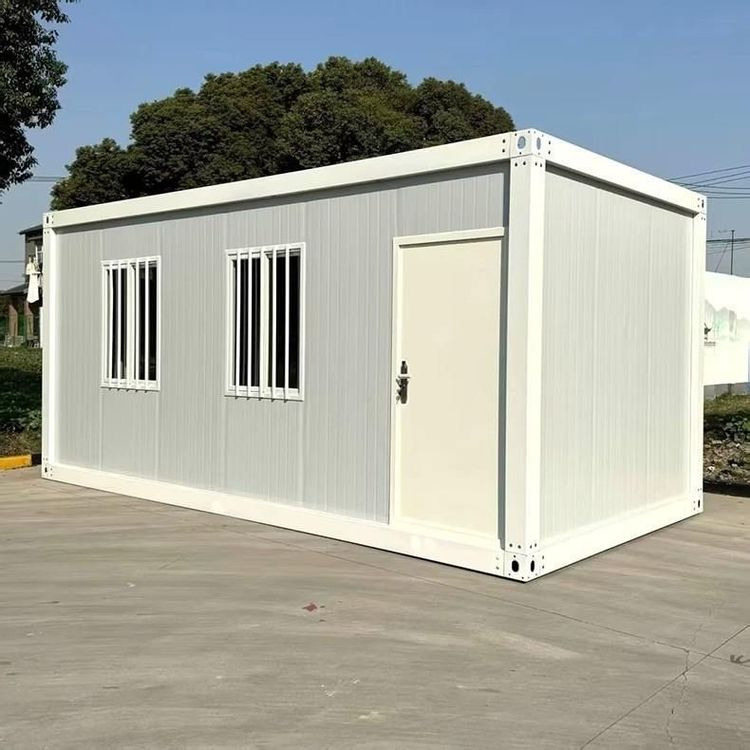
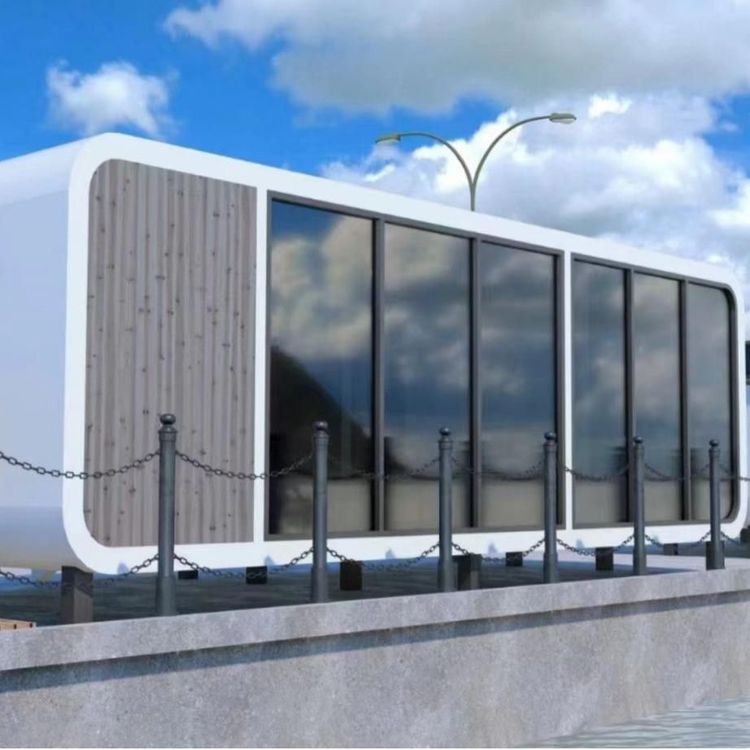
A prefabricated beam house is an assembled concrete frame structure building constructed using prefabricated beams, wall panels, and slabs, which are manufactured in a factory and then assembled on-site. Its technical system, connection methods, application scenarios, and industry trends have the following characteristics:

1. Technical System and Production Advantages
As the core component, prefabricated beams are produced through a standardized process, including formwork assembly, steel bar tying, concrete pouring, and curing. Intelligent circular production lines and digital twin technology enable full-process automation. For example, the Shanmei Expressway reconstruction and expansion project adopted an intelligent steam curing system, reducing the production cycle of a single beam from 10 days to 1 day. Modular design further optimizes component usage, such as the E-MIC system, which reduces module quantity by 30%–40% through an “alternate arrangement” layout while improving housing efficiency, construction speed, and spatial flexibility.
2. Connection Methods and Structural Performance
Prefabricated beam connections are divided into wet and dry connections: wet connections achieve integrity through cast-in-place concrete; dry connections use prestressed or hybrid connections, adhering to the Technical Standard for Prestressed Assembled Concrete Frame Structures (JGJ/T502-2024). Structural performance is enhanced through high-performance materials, such as lightweight ultra-high-performance concrete (LUHPC) and ultra-high-performance concrete (UHPC) for improved durability. Some projects apply microalgae carbon fixation technology to recycle exhaust gases.
3. Application Scenarios and Typical Cases
Prefabricated beam houses are suitable for urban renewal, residential, and office applications. The Qingdao Metro Line 7 Bei'an Depot project adopted a “factory prefabrication + on-site assembly” model for hoisting; the E-MIC system has collaborated with multiple countries to promote green construction concepts globally. In rural self-built housing, techniques like mortise-and-tenon joints for rapid beam connection and staircase hoisting enable completion of the main structure in 14 days. However, strict control over foundation pile fixation and gap grouting is essential to ensure safety.
4. Industry Trends and Policy Support
China's prefabrication technology originated in the 1950s and regained prominence in the 21st century due to environmental advantages. Regions like Fujian Province have established industrial bases with policy support, reducing construction waste by over 70%. Customs data shows that in the first four months of 2026, Guangzhou Customs exported 1.4 billion yuan worth of modular houses, a 38.1% year-on-year increase, making prefabricated beam houses a key carrier for “Made in China” global expansion.