
Prefabricated Assembly House Decoration
Prefabricated assembly house decoration is a decoration method based on industrially produced components and parts, which are combined and installed on-site using dry construction methods. It adopts the principle of pipeline separation to achieve the separation of the building structure and the decoration system.
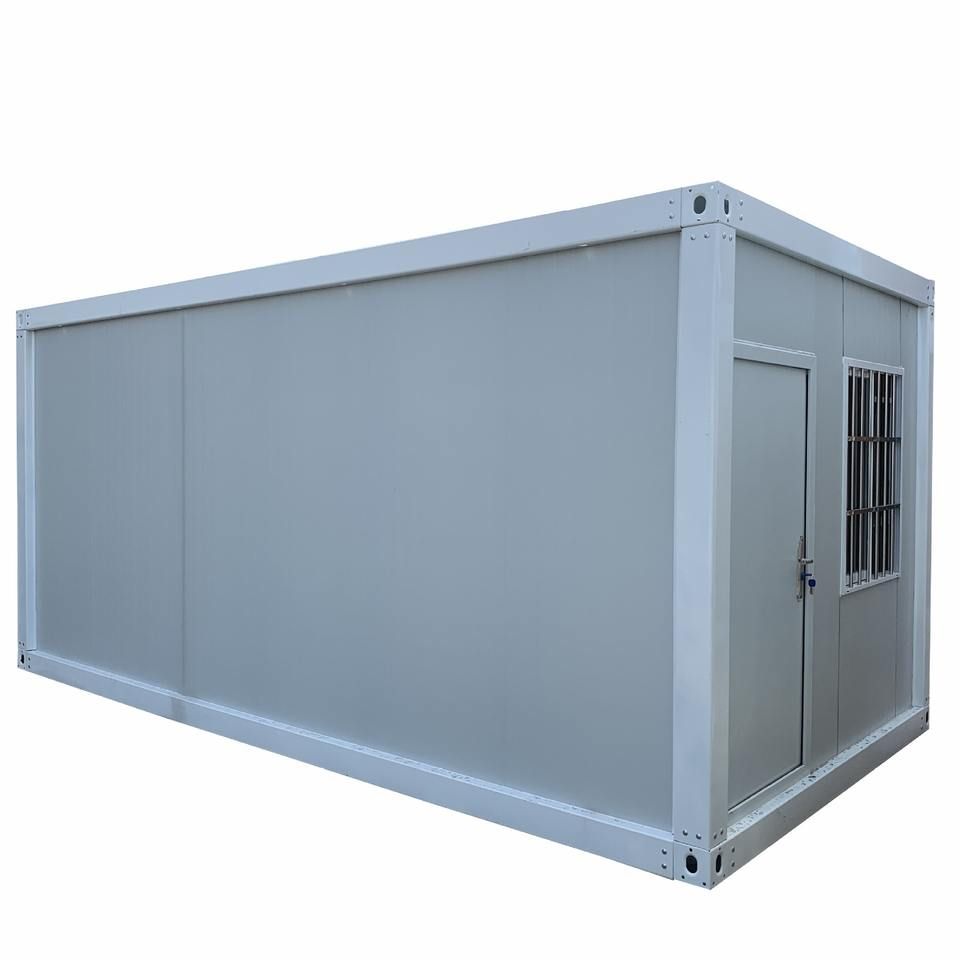
I. Technical Characteristics Prefabricated decoration achieves efficient operations through standardized design, factory-based production, and modular construction. Its core systems include lightweight partition wall systems, integrated kitchens, and complete bathrooms. The floor system employs overhead support technology with a bearing capacity of up to 200kg/m². For example, the renovation project in Xicheng District, Beijing, adopted BIM full-process assembly technology, completing delivery in 25 days and achieving a 5% increase in space. The renovation project in Guanzhuang Dongli, Chaoyang District, Beijing, utilized prefabricated steel structure roof technology, reducing the construction period from two months to 20 days.
II. Application Scenarios
- Public Buildings: The Ministry of Housing and Urban-Rural Development proposes to strengthen the application of government-invested projects, supporting the comprehensive adoption of prefabricated decoration in rental housing such as affordable rental housing, talent apartments, and dormitories. It encourages the use of this method in public buildings such as schools, hospitals, office buildings, hotels, and nursing homes.
- Residential Housing: Pilot projects for commercial housing are being carried out to guide the adoption of prefabricated decoration in fully furnished commercial housing deliveries. Support is provided for the renovation of old houses, partial kitchen and bathroom renovations, and the implementation of smart and age-friendly renovations in scenarios such as the renovation of old urban residential communities and the self-renewal of old housing.
III. Advantages Compared to Traditional Decoration
- Construction Period: Traditional decoration often takes 2-3 months or even longer, while prefabricated decoration, with its factory-prefabricated components and on-site assembly, can generally be completed in a few weeks, shortening the construction period by 30%-50%.
- On-site Pollution: Traditional decoration is accompanied by a large amount of dust, noise, and odors. Prefabricated decoration reduces wet operations and processing links, resulting in lower dust and noise levels and a reduction in construction waste by over 80%.
- Occupancy Time: Traditional decoration requires ventilation for 3-6 months to remove harmful substances such as formaldehyde and benzene. Prefabricated decoration materials undergo factory environmental protection treatment, and ventilation for 1-2 months is sufficient to meet occupancy standards.
- Environmental Protection: The environmental performance of traditional decoration depends on material selection and construction techniques. Prefabricated decoration materials undergo strict testing in factories, and modular design reduces the use of on-site adhesives, lowering pollution risks from the source.
IV. Limitations The style flexibility of prefabricated decoration may not be as good as that of traditional decoration, and some personalized needs may be difficult to meet. Homeowners should comprehensively consider occupancy time, environmental requirements, budget, and style preferences when making their choices.



