Prefabricated Assembled Housing
Prefabricated assembled housing is a building form that involves industrial production of building components and on-site assembly, featuring various types, technological advantages, and broad development prospects.

Main Types and Technical Components
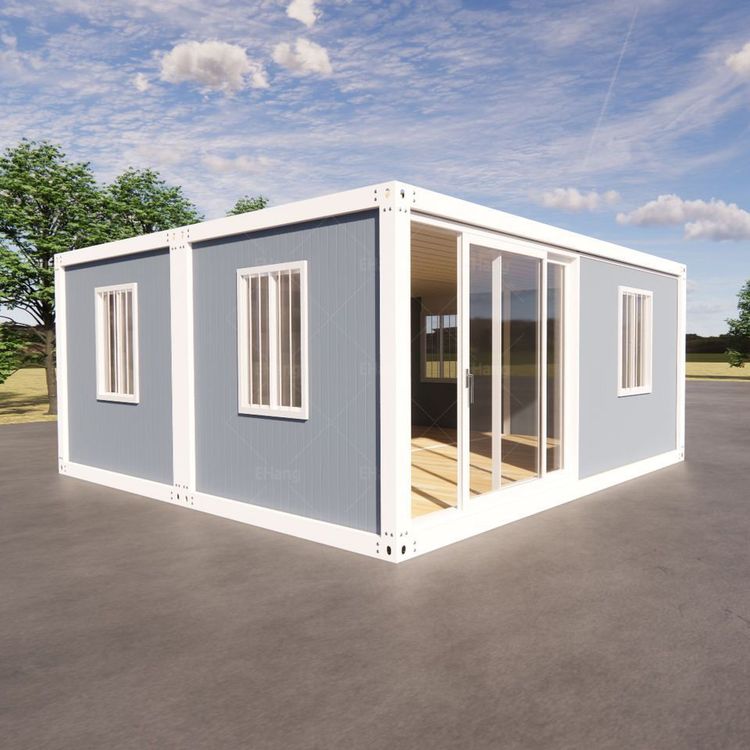
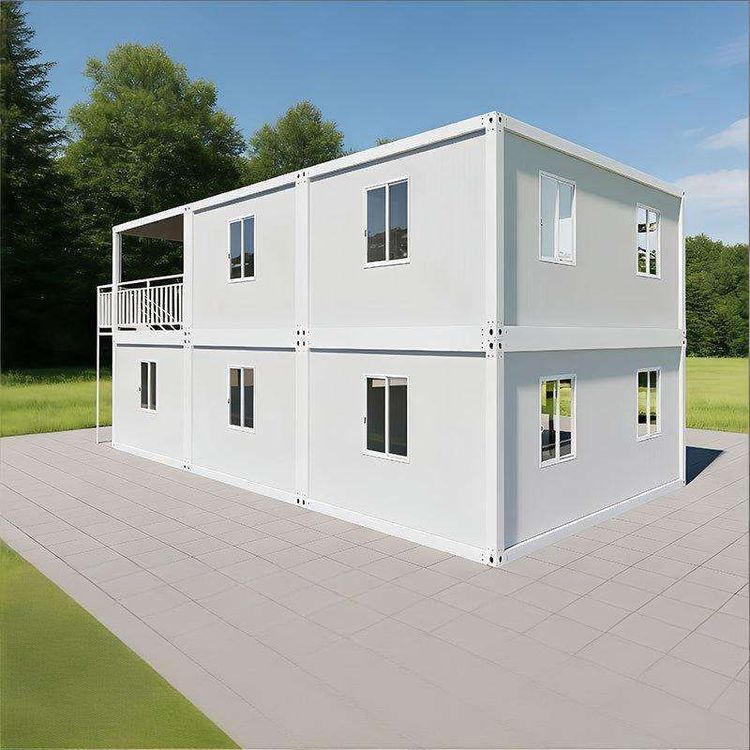
Prefabricated assembled housing includes panel-type, box-type, and frame-type assemblies, with modular buildings having a higher degree of integration. The technical system primarily consists of prefabricated concrete structures and steel structures, with components such as prefabricated beams, slabs, walls, and columns. For example, the Nanjing Jindi Yufang project adopts a prestressed prefabricated concrete assembled integral frame structure system, demonstrating the integrated application of steel and concrete structures.
Core Advantages
- Significantly Reduced Construction Time: Box-type assembly increases construction speed by 50%-70%, while modular building cycles are shortened by over 60%. The Guangdong Shenzhen affordable housing project utilized modular technology to compress the completion and delivery time from 2.5-3 years to just 1 year, validating the efficiency of industrialized construction.
- Outstanding Environmental Benefits: The Fujian industrial base achieved a reduction in construction waste by over 70%, while the Shenzhen affordable housing project significantly reduced noise, dust, and traffic congestion. Modular buildings, due to their factory-prefabricated and on-site-assembled nature, reduce pollution emissions at the source.
- Optimized Quality and Functionality: Panel-type assembly expands usable area, while modular buildings achieve controllable quality, energy efficiency, and ease of maintenance through standardized design. For example, modular buildings employ integrated piping systems, reducing later maintenance costs.
Development History and Policy Support
China's prefabrication technology began in the 1950s, undergoing three stages: the formation of a technical system in the 1970s, stagnation in the 1980s, and resurgence in the 21st century. Companies like Vanke have developed prefabricated shear wall residential systems, driving technological iteration. At the policy level, in 2016, the State Council identified the Beijing-Tianjin-Hebei region, the Yangtze River Delta, and the Pearl River Delta as key promotion areas; Hainan Province plans for 80% of newly started prefabricated buildings by 2025, while Guangzhou requires 100% implementation of prefabricated buildings on residential land starting in 2026.
Market Prospects
China's exports of prefabricated housing have grown significantly, with export value in the Guangzhou Customs area increasing by 38.1% in the first four months of 2026. Globally, institutions predict that the modular building market size will exceed $142.8 billion by 2030, reflecting the increasing international recognition of industrialized construction methods.