
Water Leakage in Prefabricated Assembled Houses
Water leakage in prefabricated assembled houses is mainly related to improper handling of the joints, but standardized construction can effectively avoid this issue.
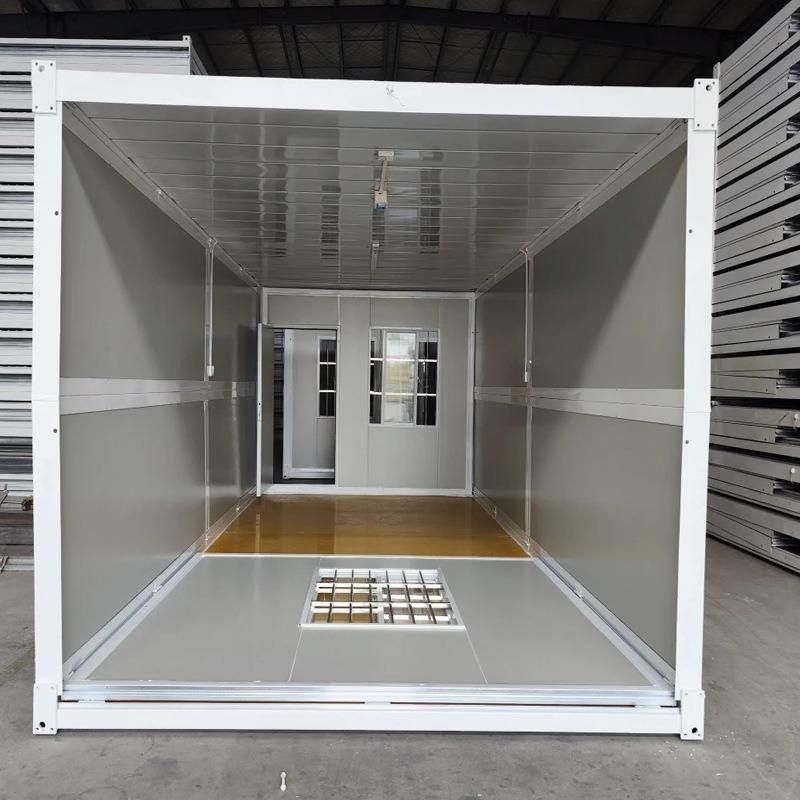
Joints are a common source of water leakage:
The components of prefabricated assembled houses are assembled through joints, which are weak points in waterproofing. If the sealant does not adhere firmly during construction, the adhesive undergoes whitening and shrinkage, or no flexible sealing treatment is carried out, joint leakage will occur. For example, in a certain prefabricated building, due to the problems of adhesive whitening, shrinkage, and poor adhesion of the polyurethane sealant, the joints between the PC walls of the exterior restroom and the concrete guide walls generally leaked. The PC wall panels of the roof parapet were directly connected to the cast-in-place layer by wet connection without leaving a gap and without flexible sealing, which also led to leakage after the building deformed and cracked.
Specific analysis of water leakage causes:
- Sealant problems: Poor-quality sealants or improper construction (such as insufficient filling and inadequate compaction) can lead to adhesion failure. After aging, the adhesive shrinks and cracks, forming water infiltration channels.
- Inadequate waterproof structural design: If no water stops, sealing grooves, or other structures are reserved at the joints, or if a double-layer waterproof design is not adopted, it will be impossible to effectively block water intrusion.
- Defects in connection methods: Wet connections (such as direct concrete pouring) are prone to cracks due to temperature changes and load effects, and the lack of flexible sealing treatment exacerbates the risk of leakage.
Modern technologies can effectively prevent water leakage:
- Component production stage: Reserve waterproof structures such as water stops and sealing grooves when prefabricating components in the factory to improve joint sealing.
- Installation and construction stage: Use highly elastic and aging-resistant sealants to fill the joints. Some projects adopt a double-layer waterproof design (such as sealant + waterproof membrane) to enhance the waterproof effect.
- Precision control: Factory production ensures precise component dimensions, resulting in smaller joint gaps and reducing the potential for water leakage.
Conclusion:
The waterproof performance of prefabricated assembled houses depends on the quality of joint handling. If construction strictly follows the standards (such as selecting qualified sealants, reserving waterproof structures, and carrying out flexible sealing treatment), their waterproof effect can be comparable to or even better than that of traditional cast-in-place buildings. Therefore, selecting a professional construction team and strengthening process supervision are the keys to avoiding water leakage.



