
Back to blog
Article
Renovation Plan for Mobile Toilets in Prefab Houses
Admin September 27, 2026
The renovation plan for mobile toilets in prefab houses can achieve a combination of environmental protection and convenience through two aspects: material and structural optimization, and resource conservation and pollution control during operation, as detailed below:
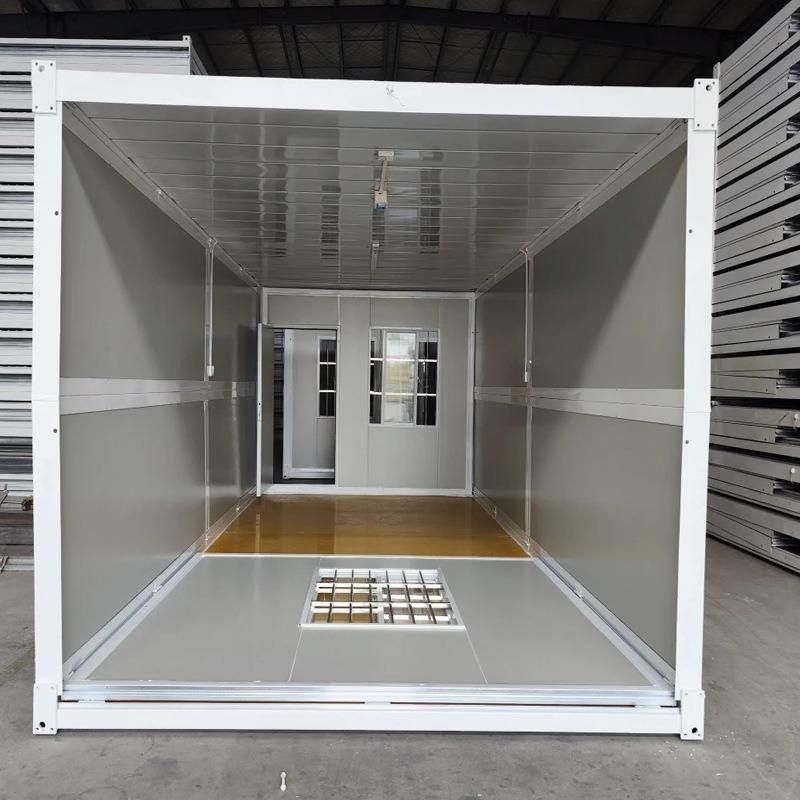
I. Sustainable Optimization of Materials and Structures
Selection of Main Frame and Panels
- Adopt a light steel keel structure paired with composite panels. Light steel materials offer high strength, corrosion resistance, and are 100% recyclable, reducing the consumption of sand and gravel resources. Panels are selected from eco-friendly materials (such as metal composite panels or new eco-friendly panels), with a focus on energy consumption and emission control during production. Some products are recyclable, reducing environmental loads from the source.
- Prioritize the use of biodegradable or recycled materials, such as biobased plastics and bamboo fiber panels, to further reduce dependence on fossil resources.
Modular Design and Rapid Deployment
- Utilize standardized modular units for assembly, allowing flexible combination or disassembly and relocation based on the number of users and site conditions. Modular design avoids construction waste from one-time construction, extends the service life of materials, and reduces waste generation.
- Modular interfaces employ rapid connection technologies (such as snap-on or bolt-fixed connections), shortening installation time and enhancing user convenience.
Lightweight Structure and Site Friendliness
- The overall weight is light, with low requirements for ground conditions, eliminating the need for large-scale land excavation or hardening, reducing damage to the original soil and vegetation. After the event, the site can be quickly restored to its original state, lowering ecological restoration costs.
- The bottom is designed with adjustable support feet to adapt to uneven ground, improving stability.
II. Resource Conservation and Pollution Control During Operation
Water-Saving Technologies and Water Source Recycling
- Install water-saving flushing devices (such as high-pressure air flushing, vacuum suction, or micro-water flushing technologies), reducing water consumption per flush by more than 50% compared to traditional fixtures.
- Connect to rainwater collection devices or graywater reuse systems, utilizing non-traditional water sources for flushing, reducing dependence on clean tap water. For example, rainwater diversion channels are set up on the roof, filtered simply, and stored in underground tanks for toilet flushing.
Harmless and Resourceful Treatment of Excreta
- Biodegradation treatment: Set up a biological treatment chamber at the bottom of the facility, introducing specific bacteria to accelerate the decomposition of organic matter in excreta, producing clear liquid (which can meet discharge standards or be further treated) and a small amount of residue, with minimal odor, achieving on-site waste reduction.
- Chemical decomposition treatment: Use eco-friendly chemical agents (such as hydrogen peroxide or plant extracts) for decomposition, disinfection, and deodorization, ensuring the agents are biodegradable to avoid secondary pollution.
- Packaging and sealing treatment: Use biodegradable films to automatically package excreta, which are then collected and transported to professional facilities for composting or energy utilization (such as biogas power generation), completely avoiding on-site pollution.
Through the above renovations, mobile toilets in prefab houses can achieve the goals of material recyclability, low construction impact, low water consumption during operation, and zero waste pollution, balancing environmental protection needs with user convenience.



