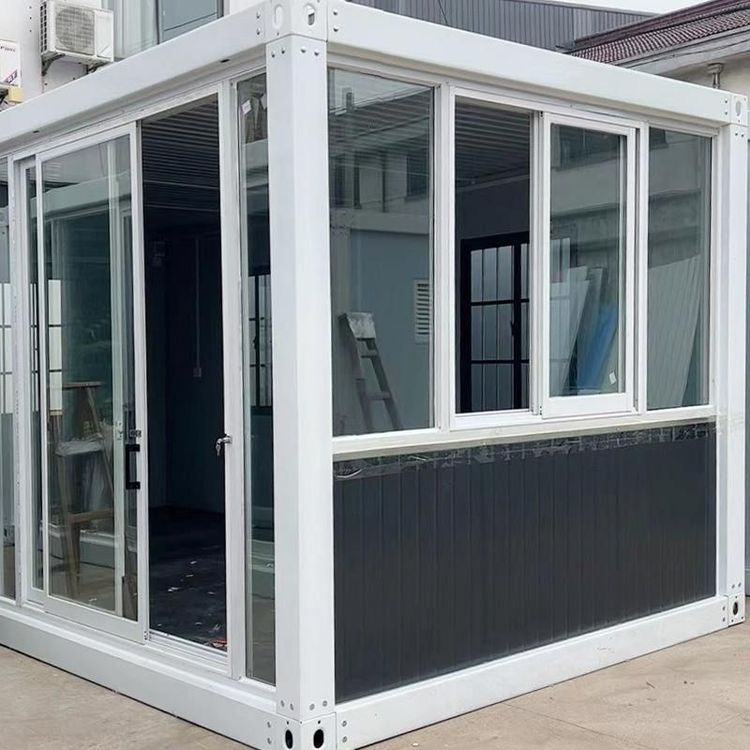
Images of Wiring in Precast Panel Houses
Although it is not possible to directly provide images of wiring in precast panel houses, we can introduce the key points and operational references related to wiring in such houses.

Basis for Wiring Operations in Precast Panel Houses
When performing wiring operations in precast panel houses, although images cannot be directly shown, there are clear specifications for the relevant operations. Generally, there are specific operational steps and standard practices for laying conduit pipes in precast panels, which can be referred to in Figure 2-55 and Figure 2-56, although these two figures cannot be directly presented. These standard illustrations have been professionally designed and verified through practice, providing accurate guidance for construction personnel to ensure that wiring operations comply with building electrical installation specifications and guarantee the safety and rationality of circuit laying.
Key Points of Wiring Operations
- Conduit Selection: Choose conduit pipes with an appropriate diameter based on the specifications and quantity of the wires to be threaded. If the conduit diameter is too small, the wires will be crowded inside the pipe, making threading difficult and affecting wire heat dissipation, thereby increasing safety hazards. If the diameter is too large, it will result in material waste and unreasonable space occupation.
- Slot Cutting and Laying: When cutting slots in precast panels, strictly control the depth and width of the slots to avoid damaging the structural strength of the precast panels. After slot cutting, lay the conduit pipes according to the design requirements and ensure that the pipes are firmly fixed to prevent displacement during subsequent construction.
- Threading Process: Use appropriate tools, such as wire threaders, when threading to avoid damaging the insulation layer of the wires. Wires from different circuits and with different voltage levels should not be threaded through the same conduit pipe to prevent electrical accidents such as short circuits.
Precautions
- Safety First: When performing wiring operations, construction personnel should wear personal protective equipment, such as safety helmets and insulating gloves, to prevent accidents such as electric shock and falls.
- Quality Control: After construction is completed, check the quality of the wiring to ensure that the wire connections are firm, the insulation is good, and there is no debris inside the conduit pipes, ensuring the normal operation of the electrical system.