Portable Toilet Standard: The Complete Buying Guide
When purchasing a portable toilet, a comprehensive assessment should be made based on the usage scenario, number of users, environmental protection requirements, and budget. Priority should be given to products with strong sealing, easy cleaning, and compliance with sustainability standards.

I. Core Types and Suitable Scenarios
Classification by Sewage Treatment Method
- Flush Type: Requires a water source and is suitable for outdoor camping or RV travel with water supply conditions (e.g., Camco Standard Camping Toilet, with a 5.3-gallon capacity, hand-press flushing, and sealed odor prevention).
- Dry Packing Type: Uses biodegradable bags to collect waste, requires no water source, and is suitable for emergency scenarios or home care (e.g., Reliance Hassock Portable Toilet, with an ergonomic seat design).
- Composting Type: Processes waste through natural decomposition, a trending product for 2026, suitable for outdoor, off-grid living, and environmental protection needs, emphasizing compactness, odor control, and rapid decomposition.
- Recirculating Flush Type: Recycles and purifies water resources, suitable for long-term use scenarios, reducing water consumption.
Typical Application Scenarios
- Outdoor Activities: For camping and hiking, flush or dry packing types are recommended; RV travel requires matching with towable mobile toilets.
- Emergency Scenarios: For disaster relief, dry packing or composting types are preferred to reduce dependence on infrastructure.
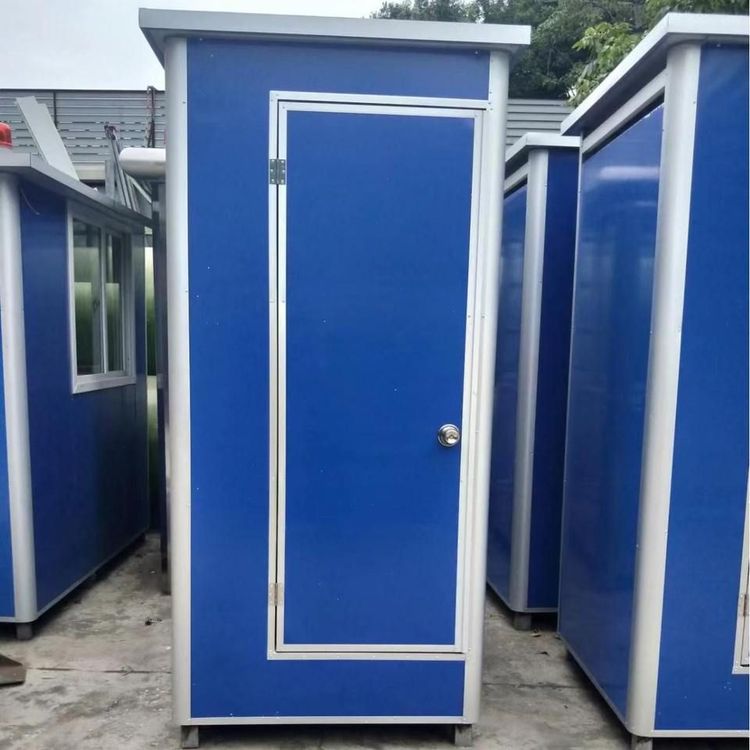
- Public Facilities: Construction sites and exhibitions require large modular toilets, such as the composite structure case put into use on the Lanzhou Yellow River Scenic Line in 2023.
- Home Care: Designed for the elderly or those with mobility issues, safety should be a focus (e.g., the slow-descending, silent, and anti-slip functions of the Yihui multifunctional toilet).
II. Key Purchase Considerations
- Capacity and Size
- The capacity of the wastewater tank should match the number of users (e.g., Camco's 5.3-gallon tank is suitable for multiple campers), and for home use, space adaptability should be considered (e.g., Yihui's product can be folded into a sofa chair).
- Portability and Durability
- Prefer materials such as fiberglass or polyethylene (leak-proof and wear-resistant), with a lightweight design (e.g., Reliance Hassock) for easy carrying. Hoisting types are suitable for fixed locations, and towable types are suitable for mobile scenarios.
- Hygiene and Odor Control
- The sealing system is crucial (e.g., Camco's sealed lock design). For composting types, attention should be paid to ventilation and decomposition efficiency, and cleaning functions (e.g., Yihui's automatic cleaning) can improve maintenance efficiency.
- Environmental Protection and Sustainability
- Prioritize recirculating flush or dry packing types (e.g., Kangji KJ6206AL intelligent water circulation system). Composting types comply with the 2026 environmental protection trend and reduce waste transportation needs.
III. Market Trends in 2026
Composting toilets are becoming mainstream due to the growth in demand for outdoor living, off-grid residency, and tightening environmental regulations. Technological innovations focus on compact design, rapid decomposition, and intelligent odor monitoring. Consumer preferences are shifting towards health needs (e.g., suitability for chronic disease patients) and increased disaster preparedness awareness.
You may also like
Portable Toilet Size Specifications: Size, Area & Layout
Read More
Portable Toilet Specifications Model Specifications: Size, Area & Layout
Read More
Why Portable Toilet House Matter: A Quick Guide
Read More