Container House Furnishing: A Practical Buyer's Guide
The core content of 'Container House Furnishing: A Practical Buyer's Guide' covers the definition, advantages, application scenarios, design points, procurement and after-sales service, and market trends of container houses, providing systematic guidance for home buyers.
1. Definition and Classification
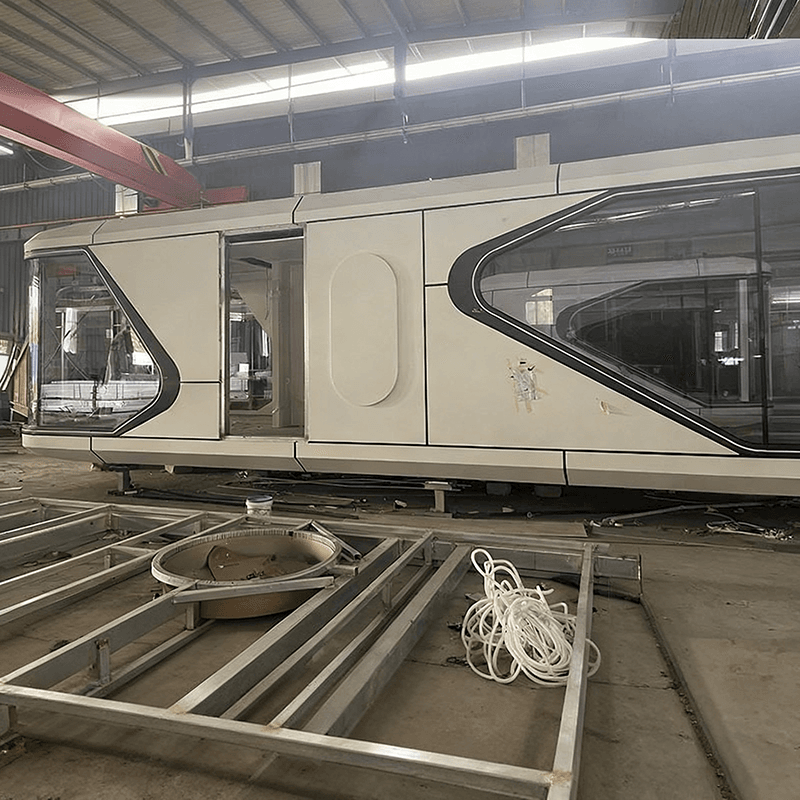
Container houses are modern residences or functional buildings constructed based on recycled shipping containers or prefabricated modules, integrating industrial durability and modular design features. Their core material is steel, and they can be flexibly combined through standardized sizes (such as 20 feet and 40 feet), suitable for residential, commercial, and special scenarios.
2. Core Advantages
- Economy: The construction cost is only one-third of that of traditional housing, making it especially suitable for home buyers with limited budgets.
- Sustainability: The reuse of steel reduces carbon emissions, and the amount of construction waste generated is reduced by about 60%, in line with the trend of green buildings.
- Flexibility: The modular design supports rapid expansion or relocation, adapting to needs such as mobile living, remote work, and post-disaster reconstruction.
3. Application Scenarios
- Residential: Including villa accessory units, farm houses, and portable prefabricated houses, meeting personalized living needs.
- Commercial: Hotel space optimization, outdoor office pods, and camping capsule houses, improving space utilization and scenario adaptability.
- Special purposes: For example, the 2024 bidding project of the National Power Corporation of the Philippines for post-disaster temporary housing, emphasizing rapid deployment and durability.
4. Design Points
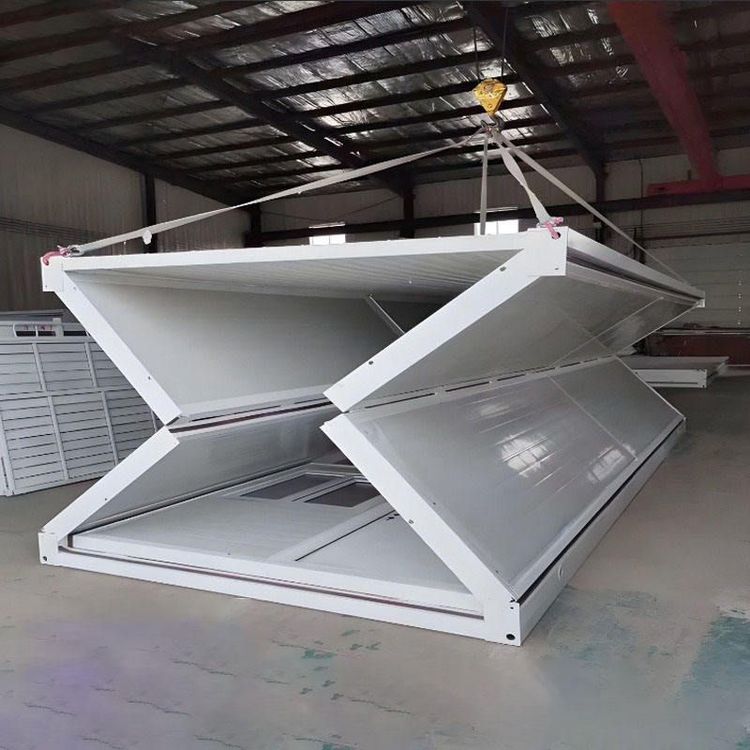
- Space layout: It is necessary to optimize functional zoning in combination with the inherent size of the container, and the space utilization rate can be improved through folding or expanding modules.
- Material selection:
- Sound insulation: Use sound-insulating foam boards with a density of 14 - 60kg/m³ to reduce industrial noise interference.
- Thermal insulation: Use aluminum composite panels (standard size 1220x2440mm or customized) to adapt to extreme climates.
- Structural reinforcement: Wrought iron railings are selected for indoor stairs to improve safety and load-bearing capacity.
- Style integration: It supports design languages such as modern, Nordic, or American countryside styles, and achieves personalized decoration through graphic case references.
5. Procurement and After-sales Service
Suppliers usually provide a 3-year warranty and online technical support, and some projects include on-site training and inspection services. Budget control can refer to the quotation review methods in the decoration guide, and give priority to high-cost-effective materials such as gypsum boards and latex paint to reduce long-term maintenance costs.
6. Market Trends
It is expected that by 2026, due to economic uncertainties, frequent natural disasters, and the rise of nomadic work culture, the global housing market will drive container houses to become a mainstream alternative solution. Their modular, low-cost, and environmentally friendly characteristics will further expand their application scope.