Container House Standard: Top Options & Considerations
The standards for Container Houses (container houses) cover multiple aspects such as materials, design, certification, functionality, applications, sustainability, and cost-effectiveness. Here are the top options and key considerations:
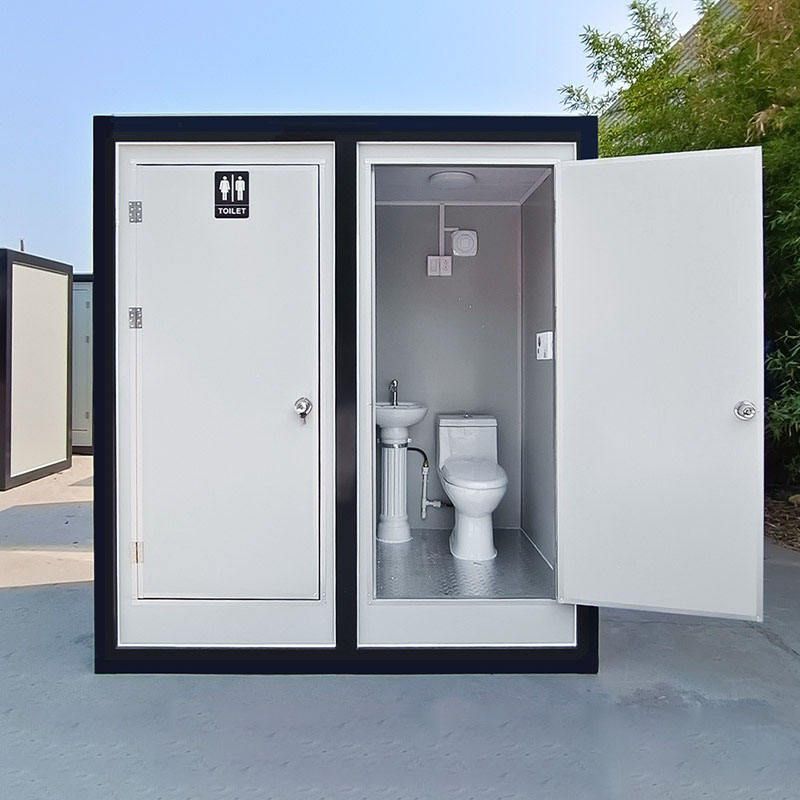
Materials and Structure The core materials of container houses must possess high strength and durability. Galvanized steel frames serve as the foundational structural material, and when paired with waterproof sandwich panels, they effectively prevent moisture and provide thermal insulation. Some high-end products utilize weathering steel (Corten Steel), whose surface oxide layer forms a natural protective film, significantly enhancing corrosion resistance. Structural design must accommodate extreme weather conditions, such as strong winds, heavy rain, or earthquakes, ensuring long-term structural integrity through reinforced connection nodes and optimized load distribution to prevent deformation or damage caused by environmental factors.
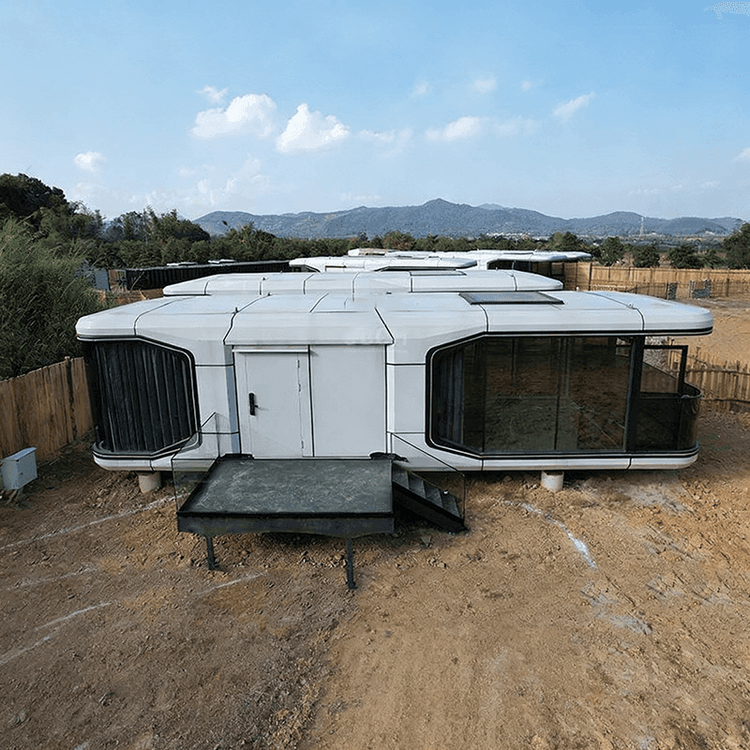
Modular Design Modularity is one of the core advantages of container houses. Flexible layouts allow users to customize dimensions and interior finishes according to their needs, such as combining multiple units to form residential, dormitory, or commercial spaces. The ability for rapid deployment and expansion is particularly outstanding; for example, expandable container houses can be unfolded after transportation to provide modular residences with 2-4 bedrooms, meeting both temporary and permanent needs. This design not only shortens construction timelines but also reduces the complexity of on-site operations.
Certification and Standards Safety and compliance are ensured through international certifications. Common standards include Australia's NCC certification, SAA (Electrical Safety Standard), WaterMark (Water Certification), CE (EU Safety Standard), ISO (International Organization for Standardization), and UL (US Safety Certification), covering structural safety, electrical systems, fire resistance, and environmental requirements. For instance, fire-resistant designs must comply with ISO 834 standards to ensure sufficient escape time during fires.
Functional Types Container houses are categorized into four types based on their applications:
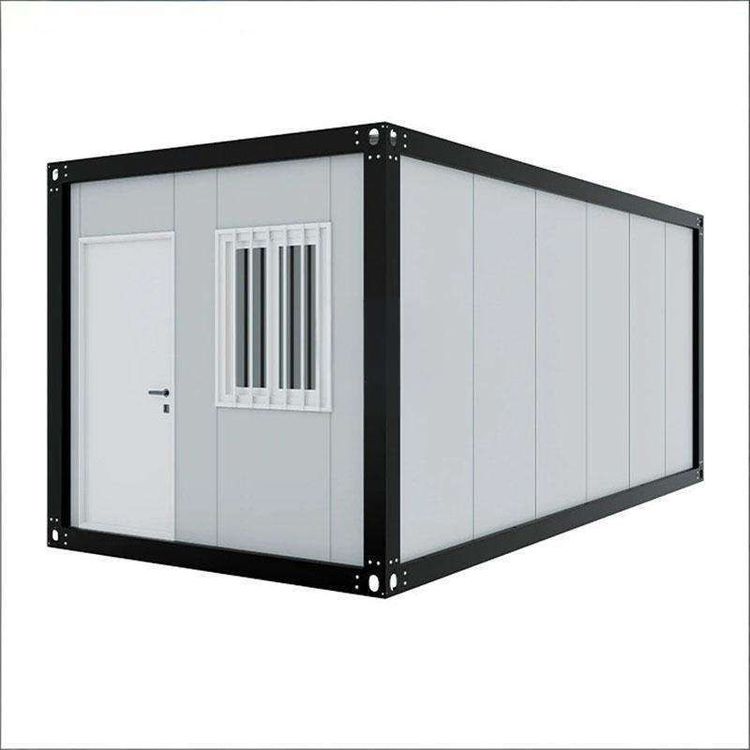
- Expandable Type: Suitable for rapid installation and transportation, often used for post-disaster reconstruction or temporary construction site housing.
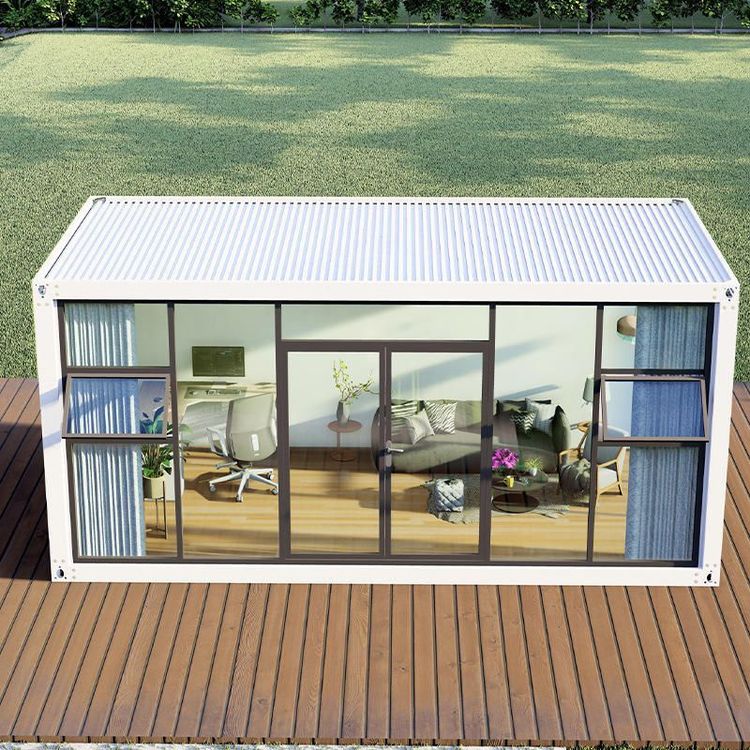
- Luxury Type: Integrates smart home systems and high-end finishes, offering a modern lifestyle.
- Prefabricated Compact Type: Features a compact design suitable for small spaces, such as single-person apartments or vacation cabins.
- Portable Modular Type: Lightweight structures ideal for offices, campsites, or temporary exhibition venues.
Application Scenarios Container houses are highly adaptable, covering residential, office, commercial, hospitality, and healthcare sectors. For example, they can quickly set up temporary clinics in healthcare scenarios, combine into shopping centers or restaurants in commercial settings, and provide cost-effective, flexible housing solutions in residential contexts.
Sustainability Reusing steel containers reduces carbon emissions by approximately 60% while minimizing construction waste. Some products incorporate green technologies like solar panels and rainwater harvesting systems, further optimizing energy efficiency and aligning with global sustainable building trends.
Cost-Effectiveness Compared to traditional housing, container houses have lower initial costs, and their modular design allows for phased expansion, reducing financial pressure. Their industrial durability (lifespan of 20-30 years) and low maintenance requirements make them a preferred option for long-term investments.