Portable Toilet Partition: A Practical Buyer's Guide
Portable Toilet Partitions are modular solutions designed specifically for temporary sanitation facilities, suitable for outdoor events, construction sites, public areas, and other scenarios, with a focus on material, portability, performance, and certification standards.

1. Core Functions and Scenario Adaptation
The core function of portable toilet partitions is to provide efficient and hygienic temporary toilet spaces, suitable for high-traffic or outdoor environments. Their design covers a variety of scenarios, from campsites to urban public areas, meeting both short-term needs (such as music festivals and sports events) and semi-permanent sanitation facilities for construction sites and disaster areas. The modular structure allows for rapid deployment, adapting to different terrains and space constraints.
2. Material and Durability Requirements
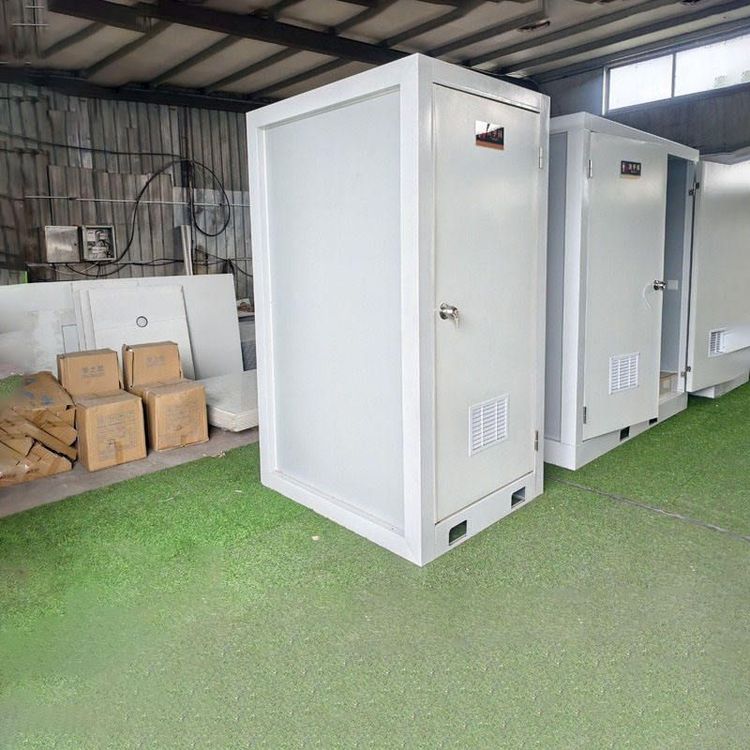
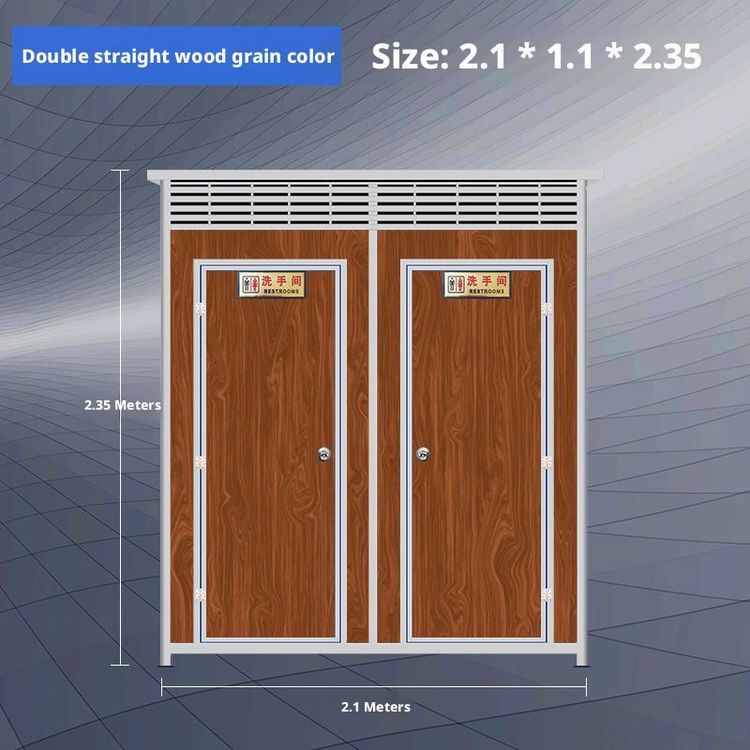
Material directly affects service life and safety. Steel container frames are the mainstream choice, known for their wear and corrosion resistance, making them suitable for long-term outdoor use, especially in high-traffic scenarios where structural stability is crucial. Additionally, partitions should be equipped with ventilation designs (such as vents or perforated structures) to enhance air circulation, reduce odor accumulation, and improve comfort in high-temperature or enclosed environments.
3. Modular and Portable Advantages
Modular design is the core advantage of portable toilet partitions. It supports rapid disassembly, transportation, and reassembly, reducing logistics costs and adapting to dynamic needs. For example, the same set of equipment can be reused at different event locations or adjusted in quantity based on the number of users. Flexibility is also reflected in scenario adaptation, as partitions can be used not only for traditional toilets but also for temporary bathroom renovations in villas, container homes, hotels, and other areas.
4. Performance Parameters and Reliability
Standard products must be capable of withstanding outdoor conditions, including wind resistance, rain resistance, and structural stability. Thickness design should balance portability and sturdiness to ensure no deformation during long-term use or transportation. Some high-end products incorporate reinforced connectors or non-slip bases to further enhance stability.
5. Quality Certification and Safety Standards
International certifications are an important guarantee of quality. CE certification indicates that the product meets EU safety, health, and environmental requirements, while WaterMark certification verifies compliance with Australian sanitation standards for water-related products. Choosing products with such certifications helps avoid safety risks caused by harmful materials or design flaws.
Buying Recommendations
- Prioritize modular design: Simplifies transportation and installation processes, reducing long-term maintenance costs.
- Confirm material and certification: Steel structures with international certifications (such as CE) ensure durability and safety.
- Evaluate ventilation performance: Breathable designs are crucial for user experience, especially in high-temperature or enclosed environments.
For specific product parameters or supplier information, it is recommended to contact the manufacturer directly for detailed specifications.