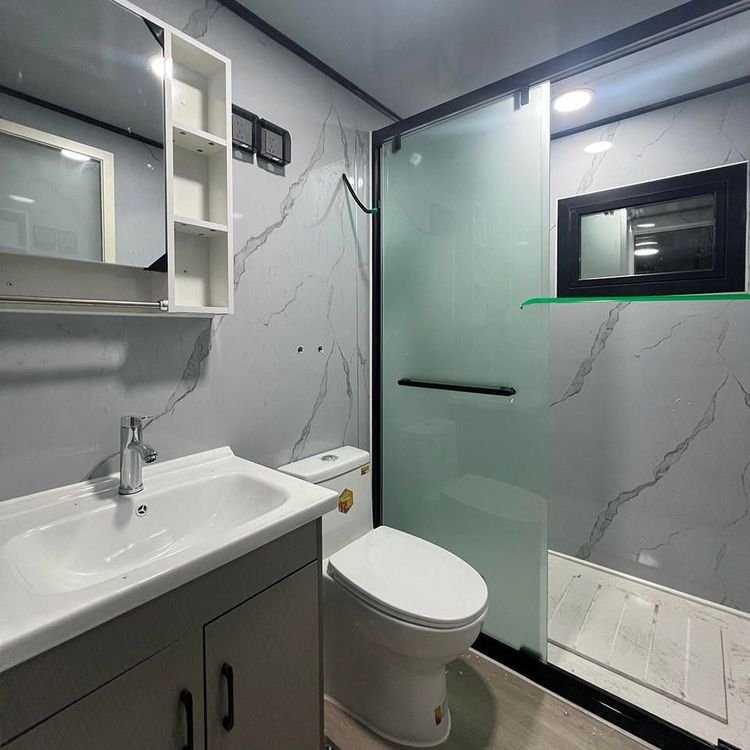
How to Choose the Right Portable Toilet Model
Choosing the right portable toilet model requires considering factors such as durability, user comfort, certification standards, portability, water storage capacity, and other practical aspects.
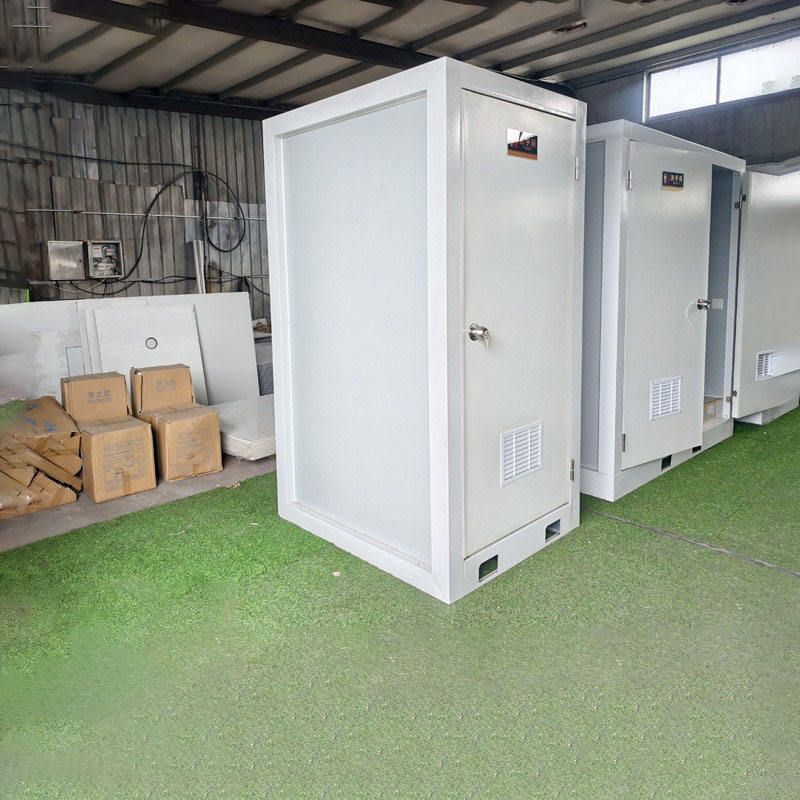
1. Durability is fundamental
Prioritize models made of high-density polyethylene (HDPE) and reinforced plastic materials. These materials can withstand harsh weather conditions (such as high temperatures, extreme cold, and strong winds), frequent use, and impacts during transportation, ensuring long-term stable operation in high-intensity scenarios like construction sites and outdoor events. For example, toilet shells made of HDPE are less likely to deform or crack, extending their service life to over 5 years.
2. User comfort should be prioritized
Modern flushing seat mechanisms are key to enhancing the user experience. Compared to traditional simple structures, flushing designs reduce odor retention and provide sanitary conditions close to those of home toilets, making them especially suitable for high-traffic venues (such as music festivals and sports events). Some models also feature non-slip footrests and ergonomic seat heights to further optimize the user experience.
3. Certification standards ensure safety
Choose models that have passed CE (European Conformity) or CEC (California Energy Commission) certifications. CE certification ensures that the product meets basic requirements for electrical safety and environmental protection; CEC certification focuses on water efficiency, making it suitable for commercial scenarios requiring long-term use. Certification marks are usually printed on the product manual or shell, and should be carefully checked before purchase.
4. Portability affects deployment efficiency
Models with integrated wheels and lightweight designs (such as a total weight below 50 kilograms) are easier to move quickly. For example, omnidirectional wheels with brake functions can secure the equipment in place to prevent sliding; foldable structures reduce transportation volume, making them suitable for emergency rescue or temporary events. If frequent handling is required, modular designs are recommended for easy disassembly and stacking.
5. High-capacity water storage reduces maintenance
The water tank capacity directly affects usage frequency and cleaning cycles. For commercial use, it is recommended to choose models with a capacity of ≥200 liters, which can reduce waste disposal frequency by 30% and lower labor costs. Some models are also equipped with water level indicators to facilitate real-time monitoring of tank status and prevent overflow or drying out.
6. Other practical details
- Cleaning and odor control: Choose models with smooth, dead-end-free interiors for easy cleaning with high-pressure water guns; activated carbon filters or bio-enzyme deodorizers can effectively suppress odors.
- Ventilation design: Ventilation openings on the top or sides accelerate air circulation and reduce stuffiness.
- Eco-friendly materials: Recyclable plastics or biodegradable components meet sustainable development needs.
- Size matching: Choose single or multi-stall designs based on available space, ensuring aisles are at least 80 centimeters wide for wheelchair accessibility.
By balancing these factors, you can select the most suitable portable toilet model for specific scenarios (such as family camping, construction sites, or large-scale events).
You may also like

Portable Toilet Independent: What to Know Before You Buy
Read More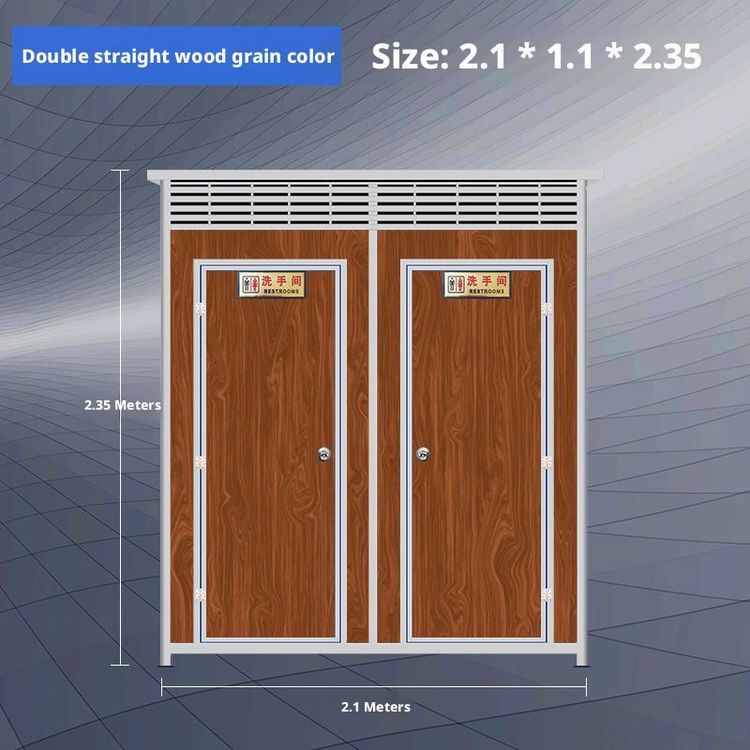
Portable Toilet Waterproof Explained: How to Choose the Right One
Read More
Portable Toilet Insulation: Top Options & Considerations
Read More