Portable Toilet Near Me Used Explained: How to Choose the Right One
Choosing the right portable toilet requires a comprehensive evaluation from four dimensions: application scenarios, functional configurations, supplier qualifications, and cost and logistics, as detailed below:
I. Application Scenario Adaptability
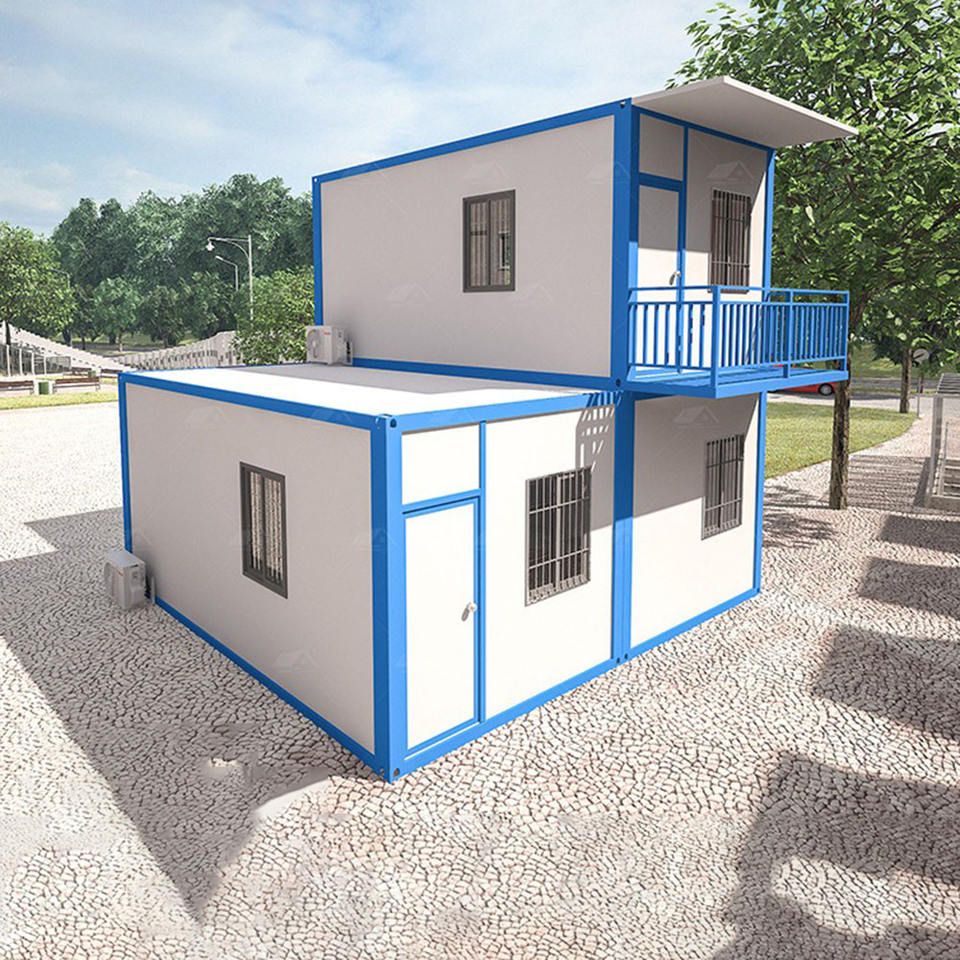
The applicable scenarios for portable toilets directly influence the choice of equipment type. For scenarios with high foot traffic and short-term use, such as construction sites and tourist attractions, it is advisable to select basic models with one or two toilet stalls, balancing flexibility and cost. For scenarios requiring long-term use and higher hygiene standards, such as park landscaping and villa communities, trailer-mounted toilets with shower facilities can be considered to meet diverse needs. Additionally, it is essential to assess the spatial dimensions of the usage site to ensure that the equipment size matches the site layout, avoiding any impact on user experience due to insufficient space.
II. Functional and Configuration Requirements
- Basic Functions: Choose between water-flush systems (high cleanliness but requiring a water source) and dry-flush systems (water-saving but requiring regular waste tank cleaning) based on needs. Anti-slip floors (such as aluminum with drainage) reduce the risk of slipping, suitable for the elderly or children. Standard sinks enhance hygiene but increase equipment size and cost.
- Power and Water Supply: If the equipment requires an external power connection, confirm the voltage type of the usage scenario (110V/220V/380V). Independent water tank designs are suitable for野外 (off-grid) scenarios but require regular refilling. Equipment connected to an external water source needs an assessment of the site's water supply stability.
- Customization Options: Some suppliers offer customization services for size, color, and kitchen equipment. For example, adding barrier-free facilities for medical rescue scenarios or customizing brand-colored exteriors for events and exhibitions. Special requirements should be communicated with the supplier in advance.
III. Supplier Qualifications and After-Sales Support
- Qualification Review: Prioritize suppliers with high ratings (e.g., 5.0), audit qualifications (such as ISO certification), and extensive production experience (e.g., Henan Wecare Industry Co., Ltd.) to avoid risks associated with equipment quality or compliance issues.
- After-Sales Support: Confirm whether the supplier provides immediate services such as video technical support and online assistance, as well as refund policies (e.g., refunds for unshipped orders, missing parts, or product issues) to reduce long-term maintenance costs.
IV. Cost and Logistics
- Price Range: The price of a single unit ranges from approximately $9,920 to $12,400. Contact the supplier to confirm shipping costs and delivery times to avoid hidden costs.
- Bulk Purchasing: For long-term use, evaluate the cost-effectiveness of small-batch orders (e.g., starting from one unit), but consider equipment depreciation and maintenance costs.
Recommendation: Contact local suppliers through industry platforms (such as Made-in-China.com), request samples or case references, and conduct on-site inspections of equipment stability and hygiene conditions before making a decision.
You may also like
Portable Toilet Eco-Friendly For Sale in 2026: Buying Guide & Recommendations
Read More
Portable Toilet Movable Eco-Friendly Buying Guide: Options & Tips
Read More
House Video: The Complete Buying Guide
Read More