Portable Toilet Eco-Friendly For Sale: What to Know Before You Buy
Before purchasing a portable eco-friendly toilet, it is crucial to understand the product types, environmental features, applicable scenarios, installation and maintenance requirements, as well as market trends, and select a suitable model based on your own needs.

1. Product Types and Functional Differences
Portable eco-friendly toilets mainly fall into three categories:
- Handheld Bidet Sprayers: Primarily made of stainless steel and brass, these are highly corrosion-resistant and suitable for humid environments. Their core features include adjustable nozzles and flexible hoses, allowing for customizable cleaning directions and intensities. Installation takes only 15 minutes and requires no professional assistance, making them ideal for compact spaces like family bathrooms or apartments.
- Portable Composting Toilets: Expected to be mainstream in the 2026 market, these toilets process waste through natural decomposition without the need for flushing, significantly reducing environmental impact. Their design emphasizes compactness, odor control, and rapid processing capabilities, making them suitable for outdoor travel, off-grid cabins, and temporary event venues (such as music festivals and campsites).
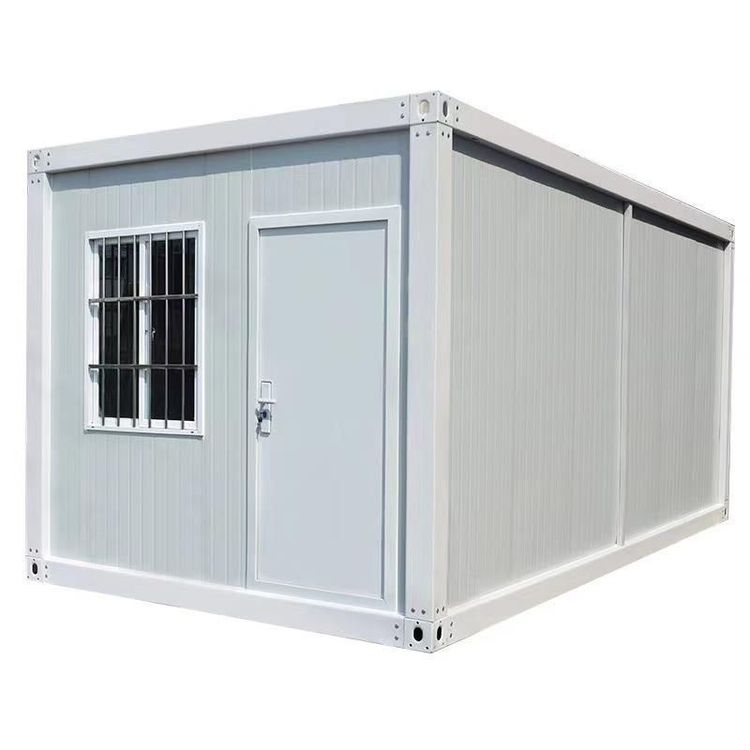
- Mobile Toilet Trailers: Models like the Onlywe RT-450CS feature galvanized steel/stainless steel exterior and interior walls, a complete water system, and customizable options for color, size, and internal layout. They are designed for high-traffic public areas like stations, docks, and construction sites.
2. Environmental Features and Resource Efficiency
- Handheld bidet sprayers reduce water waste through adjustable flow rates and are made of recyclable materials, meeting sustainability standards.
- Portable composting toilets eliminate the need for flushing, relying on microbial decomposition to reduce sewage discharge. Some models can even convert waste into organic fertilizer, achieving resource recycling.
- Mobile toilet trailers use high-strength materials to extend service life, indirectly reducing resource consumption. Some models are equipped with water-saving technologies to further optimize environmental benefits.
3. Matching Scenarios to Needs
- Handheld bidet sprayers are suitable for daily cleaning needs, especially in spaces with limited room or requiring quick renovations.
- Portable composting toilets cater to scenarios without infrastructure (such as road trips or boating) and emergency needs (like power outages or natural disasters), while also becoming a standard choice for temporary facilities at outdoor events.
- Mobile toilet trailers are designed for public areas, requiring consideration of foot traffic, usage frequency, and maintenance convenience. Customizable features can adapt to different scenarios (such as adding family restrooms in tourist areas).
4. Installation and Maintenance Costs
- Handheld bidet sprayers are easy to install, with maintenance limited to regular cleaning of nozzles and hoses.
- Portable composting toilets require regular cleaning of the composting chamber, with frequency depending on usage intensity (e.g., weekly cleaning for daily use). Some models feature automatic separation devices to reduce maintenance difficulty.
- Mobile toilet trailers need professional teams to maintain the water system and structure, but customization can reduce long-term operating costs (such as solar power systems lowering energy consumption).
5. Market Trends and Consumer Preferences
In 2026, stricter environmental regulations, the popularity of outdoor activities, and the rise of off-grid lifestyles are driving demand growth. Consumers prioritize products with high sustainability, ease of operation, and health safeguards (such as chemical-free additives). Retailers are responding to niche market demands through regional specialization (such as cold-resistant models for polar expeditions).
You may also like
How to Plan House Reinforced: Key Considerations
Read More
Portable Toilet Near Me Used Explained: How to Choose the Right One
Read More
Portable Toilet Eco-Friendly For Sale in 2026: Buying Guide & Recommendations
Read More