Portable Toilet Aluminum Buying Guide: Options & Tips
When purchasing an aluminum portable toilet, it is essential to consider material characteristics, usage scenarios, and functional requirements. Here is a detailed guide and set of recommendations:

1. Material and Structure: Prioritize Aluminum Alloy Frames or Shells
The core advantages of aluminum portable toilets lie in their lightweight nature and corrosion resistance. Aluminum alloy materials (such as 6061-T6 aviation aluminum) are lighter than traditional steel frames and exhibit significantly improved rust resistance after surface oxidation treatment, making them suitable for humid or rainy environments. When purchasing, ensure that the product description clearly states “aluminum frame” or “all-metal construction” to avoid confusion between metal-coated plastics and pure aluminum materials. Some high-end models feature modular aluminum alloy structures that can be quickly assembled and disassembled with bolts, facilitating transportation and maintenance.
2. Match Functional Design to Usage Scenarios
- Outdoor Scenarios: For camping, hiking, and similar activities, focus on foldable portability. Choose models with one-hand folding designs, non-slip floors, and high weight capacities (recommended ≥400 pounds) to ensure stability. If intended for vehicle use, measure the trunk dimensions and select compact models (e.g., with a deployed height ≤1.8 meters).
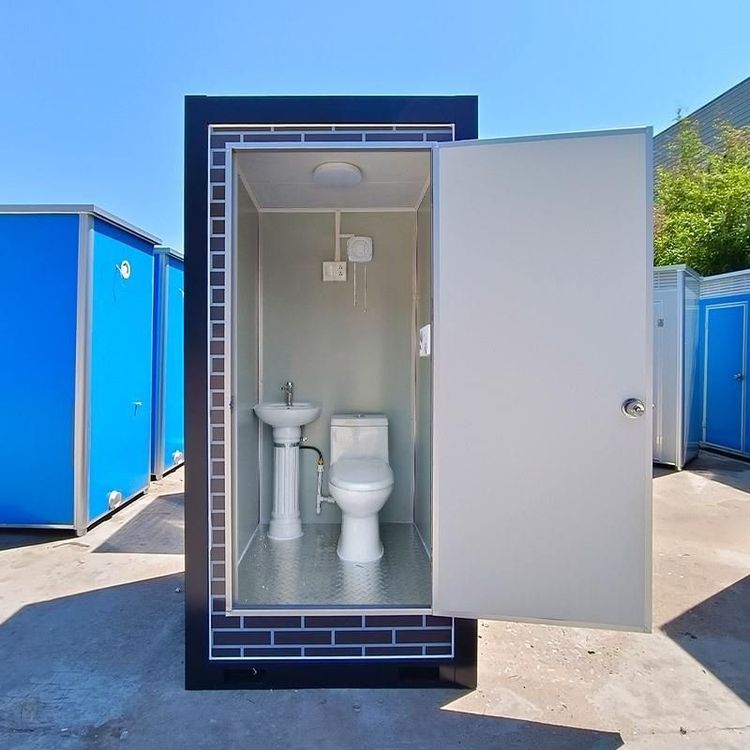
- Public Spaces: For construction sites, exhibitions, and other scenarios requiring bulk deployment, prioritize composite-structure mobile toilets that support flush or dry-packing systems. Verify whether the product has passed CE certification or ISO 9001 quality management system certification to ensure safety and compliance.
- Extreme Environments: In extremely cold regions, opt for models equipped with heated wastewater tanks (to prevent freezing) or solar power systems (to ensure nighttime lighting). Some models can integrate insulation layers to enhance low-temperature adaptability.
3. Portability and Deployment Efficiency
- Transport Convenience: Models with wheels (e.g., 360° rotating casters) reduce manual handling effort; modular products (e.g., separate wastewater tanks and main bodies) are suitable for batch transportation.
- Installation Speed: Prioritize “tool-free installation” models that assemble via snap-fit or quick-release mechanisms, saving deployment time. Some products support vertical stacking (e.g., public mobile toilets) to maximize space utilization.
4. Additional Features Enhance User Experience
- Sanitary Accessories: Detachable tissue holders, phone stands, and deodorizing gel packs improve convenience; some models include UV sterilization lights or automatic flushing systems to reduce manual maintenance frequency.
- Customization Options: Adjust wastewater tank capacity (e.g., 50L-200L), brand logo printing, or color (e.g., high-visibility orange for construction site safety) based on needs. Some suppliers support exterior customization (e.g., wood-grain finishes).
5. Pricing and After-Sales Support
- Budget Range: Portable folding toilets cost approximately $50-$300, while public mobile toilets range from $2,000-$5,000 depending on configuration. Aluminum models are typically 20%-30% more expensive than steel ones but offer lower long-term maintenance costs.
- After-Sales Policy: Confirm whether the supplier provides at least a 1-year warranty, with particular attention to the frame warranty period (aluminum structures usually have a 5-year warranty) and return/exchange conditions (e.g., 7-day no-questions-asked returns).
Tip: If no ready-made aluminum models are available, contact suppliers via platforms like Alibaba or Made-in-China. Provide specific parameters (e.g., dimensions, weight capacity, functional requirements) for customized production, noting the minimum order quantity (MOQ) and lead time.