Portable Camping Toilet
Portable camping toilets are mobile sanitation facilities specifically designed for outdoor scenarios such as camping. They combine privacy protection, hygiene maintenance, and portable transportation functions, with common types including tent-style, single-unit, and composite structures, primarily made of lightweight and odor-resistant materials.
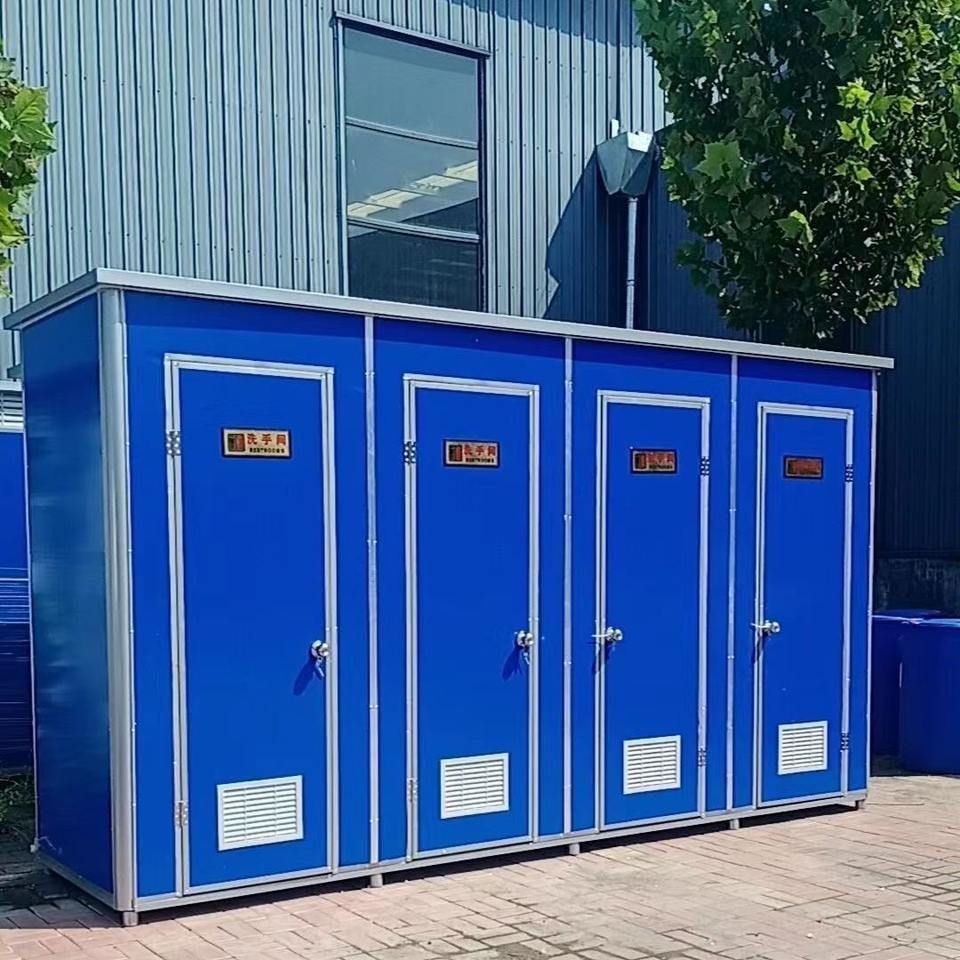
I. Core Functions and Design Features
The core function of portable camping toilets is to address sanitation needs in outdoor settings while ensuring privacy and hygiene. Their design typically integrates tent and toilet structures, such as portable outdoor mobile toilet tents, which are equipped with folding toilets, solidifying agents (for decomposing waste), and garbage bags, allowing users to set them up and use them quickly. Some products feature thickened Oxford cloth or waterproof base mats, providing private spaces while reducing odor accumulation through ventilation openings or breathable fabrics. Additionally, the combined use of outdoor shower and changing tents with portable toilets is also common, with the former meeting multi-scenario needs such as sanitation, bathing, and changing through independent space design.
II. Types and Structural Classifications
According to a broad definition, mobile toilets can be classified into the following types:
- By Structure
- Single-unit: Designed as independent units, suitable for single users or small-scale use, commonly found in portable tent toilets.
- Composite: Composed of multiple modules, expandable into multi-user spaces, suitable for group camping.
- By Mobility Method
- Hoisting-type: Transported as a whole using equipment such as cranes, suitable for fixed campsites or large-scale events.
- Powered: Equipped with wheels or power devices, can be manually pushed or mechanically towed, offering high flexibility.
- By Sewage Treatment Method
- Flush-type: Requires connection to a water source, using water flow to flush waste, offering good hygiene but dependent on external water supply.
- Dry-packing type: Uses solidifying agents or garbage bags to encapsulate waste, requiring no water source, suitable for water-scarce environments but requiring regular cleaning.
III. Materials and Advantages
Early mobile toilets often used wood, which was prone to absorbing odors and was heavy. Modern products commonly use lightweight materials such as fiberglass-reinforced plastic and polyethylene, offering the following advantages:
- Odor resistance: Smooth material surfaces reduce waste residue and odor adsorption.
- Corrosion resistance: Withstand outdoor humidity and sunlight, extending service life.
- Portability: Foldable into small sizes, easy to transport by vehicle or backpack, meeting mobility needs in camping scenarios.
IV. Usage Precautions
- Storage Tips: Clean the toilet and garbage bags before folding to avoid residue damaging the structure; ensure tent fabric is dry before storage to prevent mildew.
- Site Selection: Keep away from water sources and food storage areas, and choose flat ground to prevent tipping.
- Environmental Protection: Seal garbage bags from dry-packing types and remove them from natural environments to avoid pollution; ensure sewage discharge from flush-type toilets complies with environmental protection requirements.