Back to blog
Article
How to Make a Plastic Mobile Toilet
Admin October 01, 2026
There are three main methods for making a plastic mobile toilet, and you can choose the appropriate one based on your needs:

1. Making a Complete Mobile Toilet Using a Large Plastic Drum
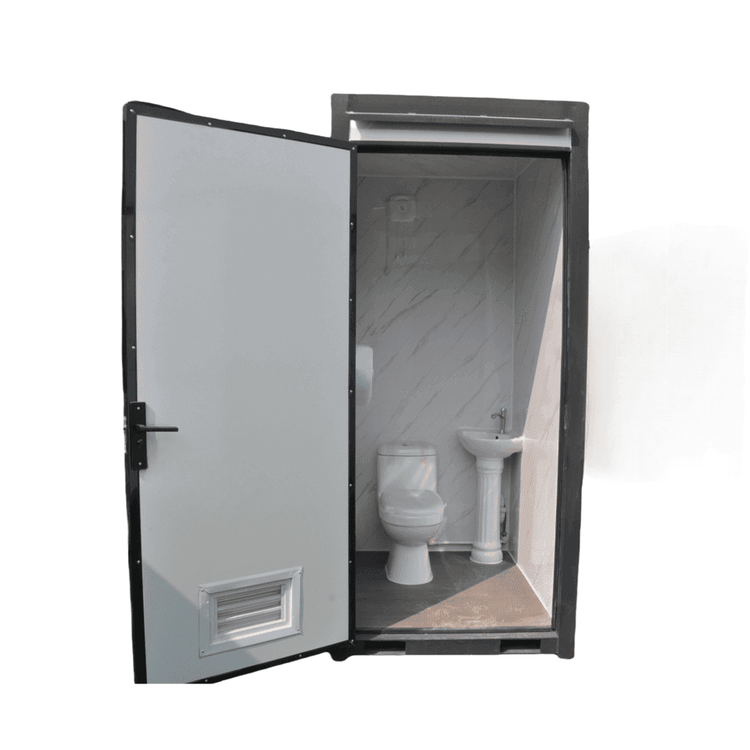
- Base and Mobility Structure: Select a large-capacity plastic drum (e.g., over 200 liters). Cut it horizontally at one-third of its height, keeping the bottom part as a sewage container. Use wooden planks to assemble a rectangular base frame. Install four universal wheels at the bottom for mobility and fix the cut plastic drum in the center of the base.
- Enclosure Structure: Vertically fix wooden strips around the drum (with a spacing of about 10 centimeters) to form a frame. Then, cut out a doorway (about 60 centimeters wide). Wrap the doorway edges with wooden planks to form a door frame and install hinges on the inner side of the door frame.
- Appearance and Function Upgrades: Install aluminum-plastic panels on the top of the drum to increase the height to about 2 meters. Apply waterproof paint or wood paint to enhance the aesthetics. Fabricate a wooden door that matches the door frame and install locks and handles.
- Sewage Disposal System: Drill holes at the bottom of the drum and connect PVC drainage pipes, extending them to an external water storage tank (which should be equipped with a sealed cover to prevent odor diffusion). For the toilet part, you can use PVC pipes to make a simple squat toilet and connect it to a septic tank or directly to the municipal sewage pipe. A washbasin can be installed on the side of the aluminum-plastic panels, and a three-way connector can be used to connect the shower hose for flushing.
2. Simple Temporary Toilet (for Emergency Use)
- Core Container: Prepare a 10-20 liter plastic bucket with a sealed lid and line it with a thick garbage bag (ensuring that the bag completely covers the inner wall of the bucket and the edges are turned out and fixed outside the bucket).
- Deodorization Treatment: Spread 2-3 centimeters of cat litter or wood shavings at the bottom of the garbage bag to absorb liquids and reduce odors.
- Supporting Facilities: Place toilet paper and disinfectant (such as chlorine-containing disinfectant tablets). If possible, install simple handrails (fixed on both sides of the bucket with PVC pipes) to improve stability.
- Privacy Protection: When using it outdoors, surround the bucket with a lightweight tent or screen (such as a folding fabric curtain). Choose a flat and dry ground for placement to avoid water seepage.
3. Portable Urinal (for Urination Scenarios Only)
- Container Modification: Select a 5-10 liter plastic bucket for drinking water. Use a marker to mark a cutting line on the bottle body (draw an arc-shaped opening about 15 centimeters from the bottom of the bottle).
- Cutting and Drilling: Use an angle grinder to cut along the marked line to create a urination opening. Drill a 5-millimeter diameter ventilation hole at the back and bottom of the bottle respectively.
- Installation and Fixing: Insert a PVC water pipe (with a diameter matching the bottle mouth) into the bottle mouth and fix it with screws to prevent sliding. Install the entire device on the bathroom wall (at a height of about 40 centimeters) and connect it to a push-type faucet for flushing.
Precautions:
- When making a complete mobile toilet, ensure the airtightness of the septic tank and clean it regularly to avoid blockage.
- The garbage bag in the simple temporary toilet should be replaced daily, and the cat litter should be replenished weekly.
- The portable urinal is only suitable for short-term single-person use, and the inside of the bottle should be disinfected regularly.