
Back to blog
Article
How to Operate a Plastic Mobile Toilet
Admin October 09, 2026
The operation of a plastic mobile toilet includes four aspects: movement, installation, usage, and maintenance, as detailed below:
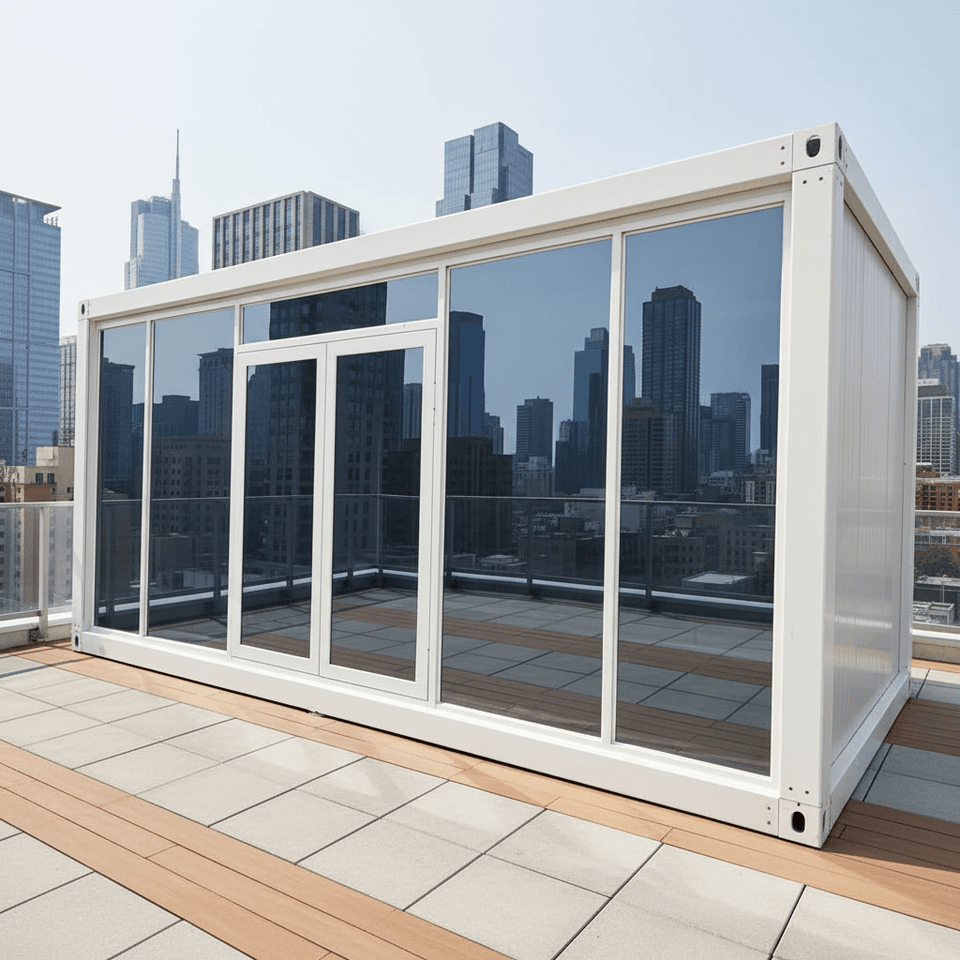
Movement Operations
The movement methods for plastic mobile toilets are flexible and diverse, allowing selection based on the scenario:
- Hoisting Movement: The toilet is equipped with four lifting lugs on its top, suitable for scenarios requiring high-altitude hoisting. By connecting professional hoisting equipment to the lugs, stable and efficient movement can be achieved, particularly suitable for high-rise buildings or complex terrain environments.
- Forklift Loading and Unloading Movement: There is a gap between the bottom of the toilet and the ground, facilitating forklift insertion for loading and unloading. Its relatively light weight (approximately 500 kilograms when filled with water and storage boxes) allows easy transportation by forklift to designated locations, suitable for short-distance or on-site transfers.
- Hook and Ring Towing Movement: In the absence of a forklift or crane, the toilet's bottom support is equipped with hooks and rings, enabling short-distance movement by towing with a hook. This method requires no professional equipment or transportation workers, suitable for emergency or temporary adjustment scenarios.
Installation Operations
Installation requires advance planning and adherence to standardized procedures:
- Batch Allocation Planning: Calculate the number of toilet stalls based on the event scale (1-2 male and female stalls per 100 people, with barrier-free facilities accounting for 10% of the total). Submit a rental application at least 2 weeks in advance to ensure sufficient resources.
- Rental Channel Selection: Prioritize reputable suppliers, confirming the weather resistance of the plastic material (e.g., selecting models with sunshades for high-temperature weather). Clearly define the responsibilities for delivery, installation, maintenance, and recycling in the contract.
- On-Site Placement Requirements: Toilet stalls should balance concealment and accessibility, located no more than 50 meters from the edge of the event area, away from water sources and air vents. Set the ratio of male to female stalls at 3:2, maintaining a spacing of over 1.5 meters; install emergency lighting and non-slip floor tiles for nighttime use.
Usage Operations
The internal configuration of plastic mobile toilets is generally superior to that of ordinary fixed toilets, equipped with flushing systems, toilet paper holders, trash cans, etc. Users can use them directly without special operations.
Maintenance Operations
Regular maintenance can extend the service life and ensure hygiene:
- Daily Inspections: During the rental period, check the water tank level and toilet paper supply at least twice a day to ensure adequate supplies.
- Seasonal Maintenance: Replace chemical disinfectant tablets every 4 hours in high-temperature weather to prevent odor buildup; check the drainage holes at the bottom of the chassis during the rainy season to avoid water accumulation and structural damage.
- Fault Handling: In case of equipment failure, contact the supplier for a response within 2 hours to ensure normal use.
- Post-Event Cleaning: Thoroughly clean and disinfect after use to avoid environmental pollution from residual waste, and return to the designated location.



