Plastic Mobile Toilet Odor
The odor in plastic mobile toilets is mainly related to design, building materials, odor source control, and daily cleaning management. The specific causes and solutions are as follows:
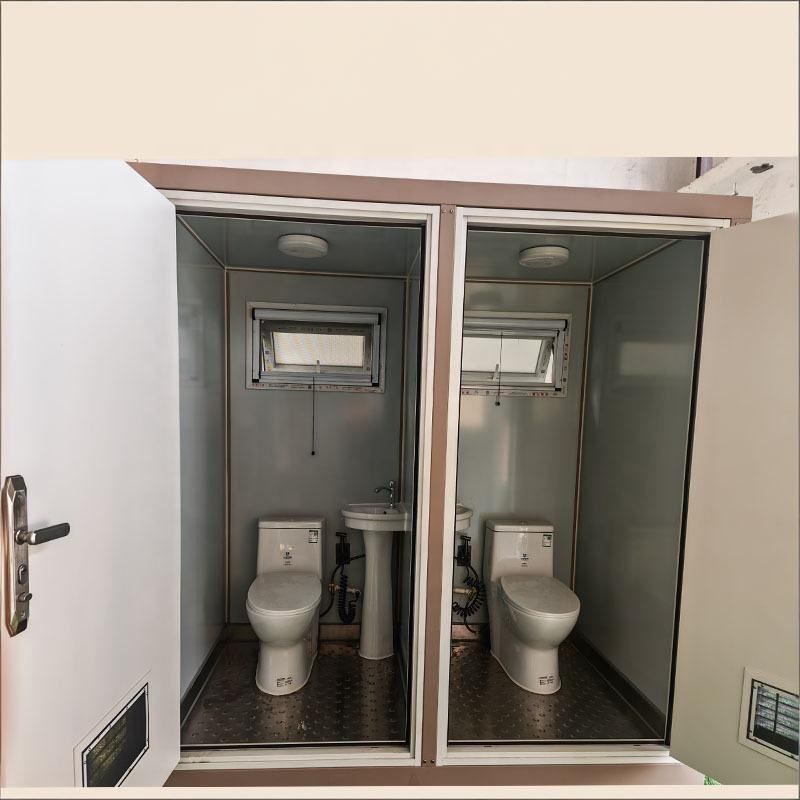
1. Poor ventilation due to design issues Some plastic mobile toilets have design flaws that do not fully consider ventilation needs, lacking natural vents or mechanical exhaust systems, resulting in ineffective air circulation inside. Enclosed environments accelerate the accumulation of odors, especially under high-temperature or humid conditions, where the odor concentration increases significantly. Improvements include adding vents, installing small exhaust fans, or using negative pressure ventilation systems to ensure air circulation.
2. High water absorption of building materials If the toilet uses low-quality building materials with high water absorption (such as some plastic panels or composite materials), fecal and urine residues can easily seep into the material, forming stubborn stains and continuously releasing odors. High water absorption materials also breed bacteria, exacerbating odor problems. It is recommended to use low water absorption, corrosion-resistant, and eco-friendly building materials, and regularly inspect the material surface for seepage or aging, replacing damaged parts promptly.
3. Lack of odor source control devices Some toilets are not equipped with anti-overflow devices (such as water seals or odor-proof valves), allowing gases like ammonia and hydrogen sulfide produced by fecal decomposition to directly flow back into the room. This is particularly common in rural dry toilets or dry composting toilets. The solution is to install odor-proof valves or water seals, using physical isolation to block odor diffusion; for microbial decomposition toilets, optimize the bacterial strain ratio or increase ventilation to reduce odor production.
4. Insufficient daily cleaning and management Inadequate cleaning staff or low cleaning frequency can lead to the accumulation of fecal and urine residues and untimely garbage removal, causing odor to flow back. A standardized cleaning process needs to be established:
- Preparation: Equip with professional cleaning tools (such as high-pressure water guns, disinfectants) and protective gear, close the toilet before cleaning, and post warning signs;
- Systematic cleaning: Follow the order of 'from outside to inside, from top to bottom', first clean the external cabinets, then the internal space (such as ceilings and walls), focusing on deep cleaning the toilet (removing urine scale and fecal stains), and finally clean the floor and auxiliary facilities (such as handrails and tissue boxes);
- Disinfection and sterilization: Spray the entire area with chlorine-based disinfectants or quaternary ammonium compound disinfectants, focusing on high-frequency contact areas such as the toilet and floor, to kill pathogens and inhibit odor regeneration.
By optimizing design, selecting qualified materials, improving odor source control, and strengthening daily management, the odor problem in plastic mobile toilets can be significantly reduced.