
Placing Mobile Toilets in the Yard
Whether placing a mobile toilet in the yard is compliant depends on specific circumstances. If conditions related to location, approval, environmental protection, and neighbors' rights are met, it is generally not considered illegal construction; otherwise, it may be in violation.
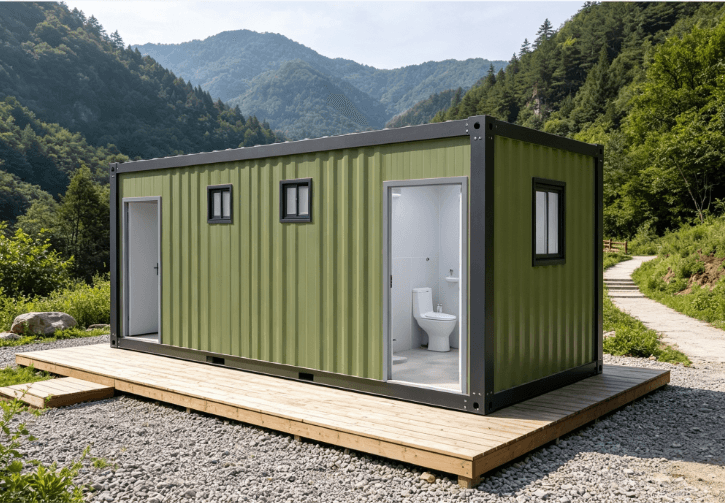
1. Location and Land Planning Must Be Legal Mobile toilets must be placed within the legally approved homestead area and comply with the overall land use plan of the township (town) and village plan. If they exceed the boundaries of the homestead or occupy public land or agricultural land (especially permanent basic farmland), they are considered illegal construction. For example, placing a toilet on the village's collective public open space without obtaining homestead use rights may still be deemed illegal construction due to the encroachment on public resources, even if the toilet itself is movable.
2. Approval Procedures Must Be Complete Although mobile toilets are movable, if they are used permanently (e.g., by pouring foundations or connecting to water and electricity), it is necessary to go through the application procedures in accordance with the law and obtain approval from relevant departments. Unauthorized placement without approval may constitute illegal construction. For example, in some areas, even if a toilet is movable, if it is used continuously for more than a certain period (e.g., 6 months), it still needs to apply for a permit according to the standards for fixed buildings.
3. Environmental Protection Requirements Must Be Met Fecal waste treatment must comply with environmental protection regulations. Open-air cesspits or direct discharge are prohibited. Harmless treatment facilities such as three-compartment septic tanks or biogas digesters should be used, and they should comply with technical standards such as the Rural Household Toilet Construction Specifications. For example, if toilet fecal waste is discharged directly into the surrounding soil or water bodies without treatment, it may violate the Water Pollution Prevention and Control Law or the Soil Pollution Prevention and Control Law and face penalties.
4. Neighbors' Rights Must Be Protected The placement of mobile toilets must not affect neighbors' access, lighting, ventilation, drainage, and environmental hygiene. For example, the toilet's air outlet should not face neighbors' doors and windows to avoid the spread of odors; it should not block public drainage channels to prevent waterlogging during the rainy season from affecting surrounding households. If disputes with neighbors arise due to the toilet's location, it may be required to make rectifications or be demolished.
Suggestion: Before operation, consult local natural resources departments, agricultural and rural departments, or professional lawyers to confirm the homestead area, planning requirements, and approval procedures, ensure that fecal waste treatment facilities comply with environmental protection standards, and actively communicate with neighbors to avoid conflicts of rights.



