Placing Mobile Toilets in Stores
When considering placing mobile toilets in stores, it is necessary to comprehensively select the type and function based on the store's location, usage needs, budget, and management objectives.

1. Select Structure and Mobility Based on the Scenario
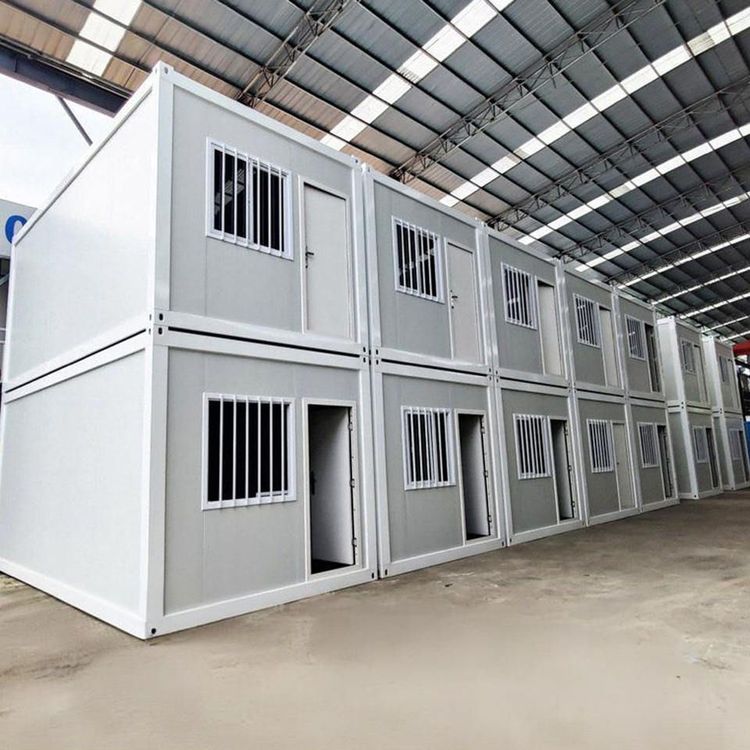
Mobile toilets are divided into single-unit and composite structures. Single-unit structures are small in size and flexible to install, suitable for stores with limited space. Composite structures are composed of multiple independent units, meeting the needs of multiple people using them simultaneously, suitable for places with high customer traffic. In terms of mobility, lifting and handling types rely on external equipment for transportation, suitable for long-term use in fixed locations. Powered and towed types come with their own power systems and can be moved quickly, suitable for scenarios requiring frequent relocation. For example, stores in tourist attractions that need to cope with seasonal changes in tourist traffic can prioritize powered and towed types for easy adjustment according to tourist distribution.
2. Match Sewage Treatment Methods Based on Functional Needs
Water-flush mobile toilets require connection to water supply and drainage systems, offering high cleanliness but relying on infrastructure, suitable for stores with municipal water supply conditions. Non-water-flush suction types use vacuum pumps to suction feces, requiring no water source but needing regular cleaning and transportation, suitable for water-scarce areas. Recirculating water-flush types use biodegradation technology to treat sewage for recirculation, highlighting environmental protection. Dry-pack types use biodegradable plastic bags to collect feces, requiring no water or electricity, suitable for short-term events or remote areas. If the store is located in a commercial district and requires long-term use, water-flush or recirculating water-flush types are more appropriate. For temporary promotional events, dry-pack types can reduce operating costs.
3. Innovative Design to Improve Space Utilization
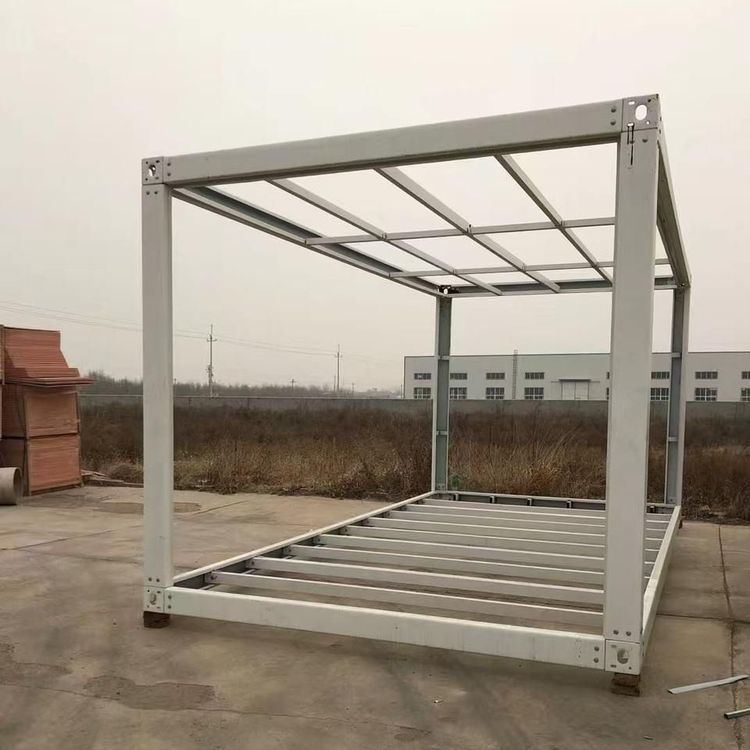
For stores in tourist attractions, commercial districts, and other densely populated areas, the "mobile toilet kiosk" model can be referenced, combining toilet functions with merchandise sales. Such facilities use steel frame structures, equipped with basic sanitary equipment such as ceramic squat pans, flush tanks, and washbasins. The kiosk area can flexibly display snacks, beverages, and other merchandise, meeting tourists' basic needs while increasing revenue through merchandise sales. Their advantages lie in functional integration and high mobility, allowing for adjustments in business strategies according to peak tourist hours, such as increasing merchandise varieties or extending service hours during holidays.
4. Prioritize Leasing for Short-Term Needs to Reduce Costs
If the store only requires mobile toilets for short-term use (such as opening events, exhibitions, etc.), leasing is a more economical choice. The rental price for ordinary single-unit mobile toilets is approximately 1900-2000 yuan per month, while high-end models or those for large-scale events can cost up to 15000 yuan per month, with some suppliers supporting per-event billing. Before leasing, it is necessary to confirm equipment cleanliness standards, fault repair responsibilities, and cleaning and transportation frequencies to avoid affecting customer experience due to inadequate service.
5. Intelligent Management Suitable for Large Public Scenarios
Urban smart public toilet stations adopt modular design, with main structures made of light steel or composite materials. Internally, they can be equipped with restrooms,母婴室 (nursing rooms), barrier-free facilities, etc., and are equipped with intelligent systems (such as face recognition for paper towel dispensing, air quality monitoring, and pedestrian traffic statistics). Although such facilities offer comprehensive functions, their construction costs are high, typically suitable for large public scenarios such as city parks and transportation hubs. If stores pursue a high-end image and have sufficient budgets, they can consider co-building and sharing with surrounding public facilities to share costs.