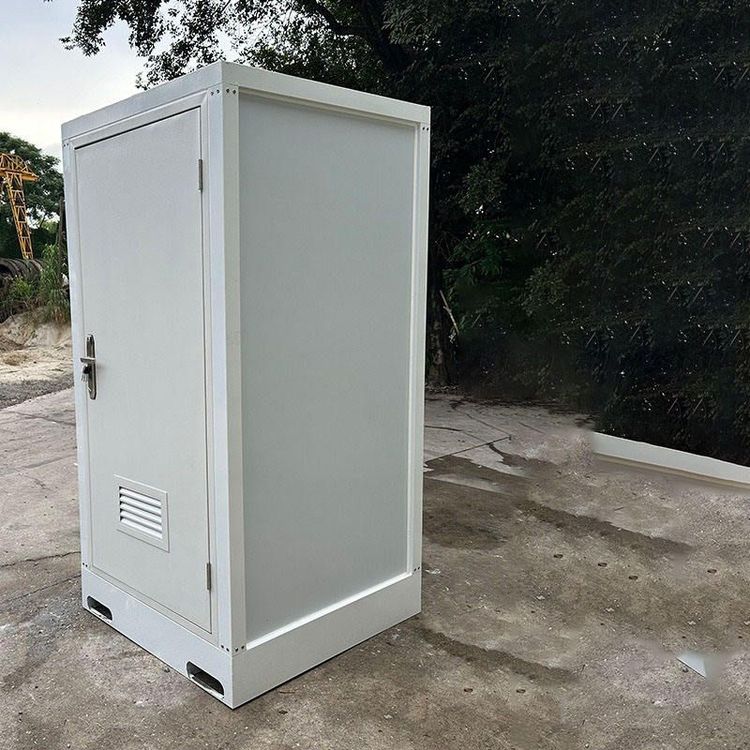
Placing Containers on the Roofs of Houses
Whether placing containers on the roofs of houses constitutes illegal construction depends on the situation. Generally, temporary placement that meets certain conditions is not considered illegal construction, but long-term use or a change in purpose may constitute illegal construction.

Legal Attributes of Container Houses and Logic for Determining Illegal Construction
Container houses are essentially movable metal structures, fundamentally different from traditional fixed buildings. The core criteria for determining whether they constitute illegal construction include whether planning permission has been obtained, whether the land use has been altered, and whether permanent occupation has occurred. According to the Urban and Rural Planning Law of the People's Republic of China and the Land Administration Law, any construction activity must obtain planning permission and land use permission in accordance with the law. Even temporary buildings require temporary land use and construction planning permits, with a general usage period not exceeding 2 years.
Compliance Conditions for Placing Containers on Roofs
Usage Restrictions
If used solely for temporary storage of agricultural materials, tools, and other non-residential purposes, and without damaging the structural safety of the house, it is generally not considered illegal construction. For example, in rural areas, containers used as farm watchhouses, without access to water and electricity, with unhardened floors, and not occupying arable land quotas, are generally allowed.Physical State Requirements
Containers must remain movable, with prohibitions on hardening the ground, pouring foundations, or connecting to permanent water and electricity facilities. If the container is fixed by welding, pouring concrete, or transformed into a long-term residence, it may be deemed as "substantially altering land use" and constitute illegal construction.Differences in Local Policies
Some cities have stricter management of roof containers. For example, the Ministry of Housing and Urban-Rural Development's Management Measures for Adding Structures to the Roofs of Existing Buildings explicitly prohibit adding any buildings without structural safety assessments and planning permissions. In rural areas, if containers are used solely for storing farm tools, some provinces may allow exemption from approval, subject to size restrictions (e.g., a single 20-foot standard container).
Risks of Non-Compliance and Recommendations for Handling
- Risks of Commercial Use: If containers are used for business activities such as homestays or shops, land use approval, planning filing, and fire safety permits must be obtained; otherwise, fines or forced demolition may be imposed.
- Structural Safety Risks: Placing containers on roofs requires ensuring the structural safety of the house to avoid collapse accidents caused by overloading.
- Compliance Path: It is recommended to consult local urban management, planning, or housing and construction departments in advance to clarify the usage period, purpose, and approval process. If long-term use is required, a formal construction permit should be applied for in accordance with regulations, and standards such as the Technical Code for Modular Combined Container Houses should be met.