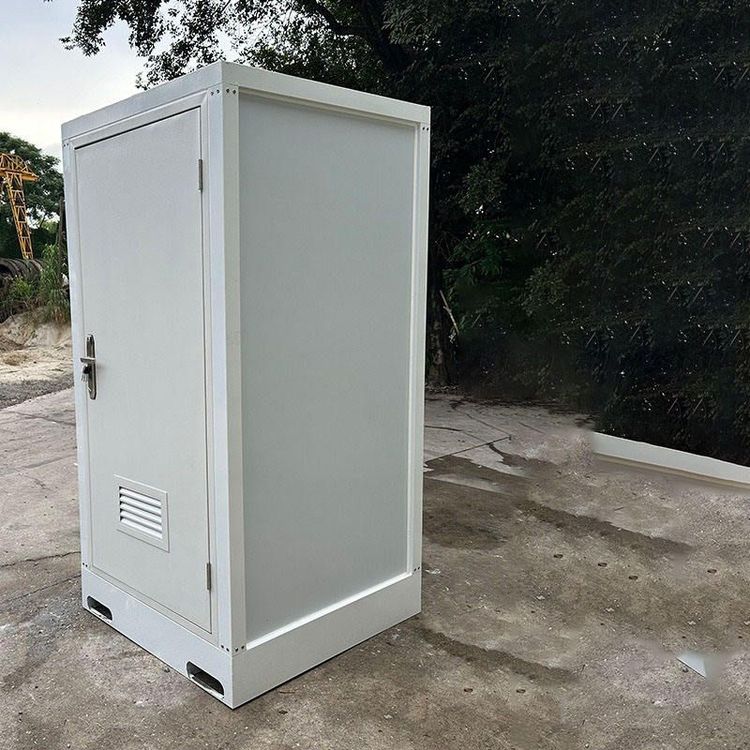
How to Choose the Right Portable Toilet Eco-Friendly Rental
Choosing the right eco-friendly portable toilet rental service requires comprehensive consideration of factors such as type, usage scenario, technology, environmental performance, and supplier reliability. The assessment can be carried out from the following aspects:

1. Clarify the basic types of eco-friendly portable toilets
The core difference among eco-friendly portable toilets lies in waste treatment methods, and the appropriate type should be selected according to needs:
- Waterless type: Treat waste through physical or chemical means without the need for flushing. It is suitable for water-scarce or outdoor scenarios (such as hiking trails and music festivals), but requires regular cleaning of chemical agents or solid waste.
- Water-saving type: Optimize the flushing system, with a significantly lower single-flush water volume than traditional toilets (for example, vacuum suction technology can reduce water consumption by 90%). It is suitable for scenarios with limited water resources but requiring flushing (such as temporary facilities at construction sites).
- Biodegradable type: Utilize microorganisms to decompose organic matter into harmless substances (such as carbon dioxide and water), suitable for scenarios with high environmental impact requirements (such as nature reserves and eco-tourism areas).
- Resource recycling type: Convert waste into usable resources (such as compost), suitable for scenarios requiring waste recycling (such as agricultural exhibitions and sustainable community events).
2. Match functions according to usage scenarios and needs
Different scenarios have different requirements for the portability, capacity, and durability of toilets:
- Outdoor activities: Prioritize lightweight, waterless, and easy-to-carry models, while paying attention to wind and rain resistance designs.
- Construction sites or temporary resettlement points: Select high-capacity and highly durable models to cope with high-frequency use and long-term exposure to harsh environments.
- High-frequency usage scenarios (such as large-scale events): Select products with strong processing capabilities and long maintenance cycles; for low-frequency scenarios (such as small gatherings), focus on cost and ease of operation.
3. Evaluate treatment technologies and environmental performance
Technology selection directly affects environmental benefits and operating costs:
- Treatment technologies: Microbial degradation is suitable for scenarios with high environmental requirements; foam sealing technology can reduce flushing water consumption; vacuum suction technology has a significant water-saving effect.
- Environmental indicators: Prioritize products with low energy consumption designs (to reduce operating costs), low emissions (to avoid soil or water source pollution), and resource recycling functions (such as waste fertilizer production).
4. Choose a reliable rental supplier
The supplier's qualifications and service capabilities are key to ensuring a good user experience:
- Reputation and experience: Select suppliers with a good industry reputation and successful cases (such as Princess Portable Toilets in central Florida, North America, with 15 years of experience; TOI TOI USA, covering the entire United States, offers a variety of eco-friendly options).
- Service scope: Confirm whether the supplier can cover the target area and provide timely delivery, cleaning, and maintenance services.