
Places Needing Mobile Toilets
The places that require mobile toilets mainly include the following categories:
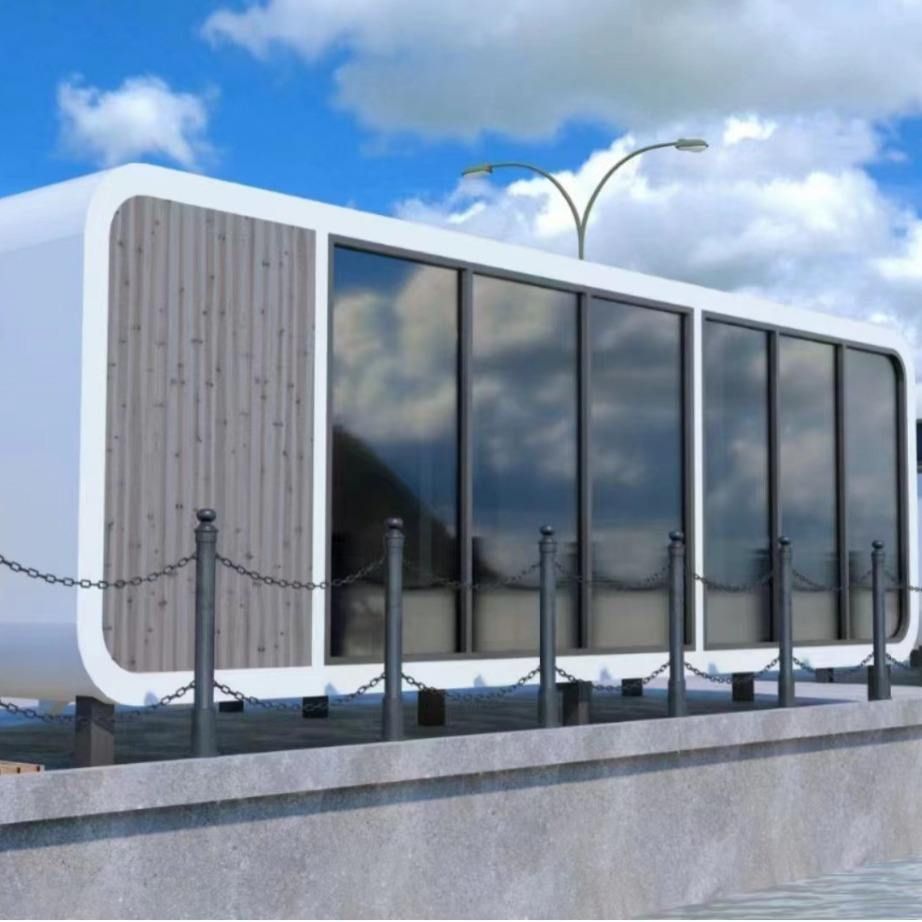
1. Fixed public places
Stations, docks, tourist attractions, villa areas, newly built residential communities, large construction sites, squares, and densely populated public places (such as commercial streets) are common scenarios where mobile toilets are in demand. These areas have high foot traffic and may have insufficient infrastructure. Mobile toilets can quickly supplement sanitary facilities and alleviate toilet pressure. For example, in tourist attractions, areas with concentrated tourist traffic (such as main buildings, squares, and museums) often require mobile toilets to enhance service levels due to long tourist stays and concentrated toilet needs. In newly built residential communities or villa areas, if permanent public toilets have not been completed, mobile toilets can provide temporary solutions. Large construction sites, with dense personnel and long construction periods, can use mobile toilets to meet workers' daily needs while avoiding the impact of fixed buildings on construction.
2. Outdoor temporary event venues
Large outdoor events (such as music festivals, auto shows, outdoor weddings), sports events (marathons, football matches), and temporary exhibitions (commercial exhibitions, cultural exhibitions) have characteristics of short duration and high foot traffic. Mobile toilets can be flexibly deployed and quickly removed after the events, avoiding resource waste. For example, multiple mobile toilet points need to be set up along the route of a marathon to meet the urgent needs of participants and spectators. Outdoor weddings or music festivals, with open venues and a large number of participants, can ensure sanitary conditions and enhance the event experience with mobile toilets.
3. Natural and recreational areas
Campgrounds, outdoor adventure bases (hiking and trekking areas), tourist areas or scenic spots with concentrated visitors (such as open-air cinemas, courtyards, swimming pools, children's playgrounds) often require mobile toilets due to natural limitations or inadequate infrastructure. For example, setting up mobile toilets along hiking trails can reduce tourists' damage to the natural environment. Campgrounds, far from cities, can use mobile toilets to meet tourists' basic sanitary needs while avoiding ecological interference from fixed buildings.
4. Special service and emergency scenarios
Areas with high service levels (such as highway service stations), areas with limited environments and conditions (such as large conference venues), and emergency scenarios (such as natural disasters and temporary gatherings) also require mobile toilets. Highway service stations, with limited space, can use mobile toilets to supplement insufficient fixed facilities. Large conference venues can quickly expand toilet capacity with mobile toilets if the original public toilet capacity is insufficient. After a disaster, mobile toilets can quickly restore basic sanitary conditions in the affected areas and prevent disease transmission.
You may also like

Portable Toilet Eco-Friendly Custom & OEM: Design & Bulk Production Guide
Read More
How to Assemble & Install Container House Step by Step
Read More
Portable Toilet Eco-Friendly in 2026: Buying Guide & Recommendations
Read More