
Pingliang Outdoor Mobile Toilet Design
The design of Pingliang's outdoor mobile toilets is based on the contradiction between the expansion of human activity ranges and the inadequacy of fixed facilities, aiming to achieve safe isolation and treatment of metabolic products under non-pipeline network conditions. Its design features cover multiple aspects such as structure, function, materials, and principles.
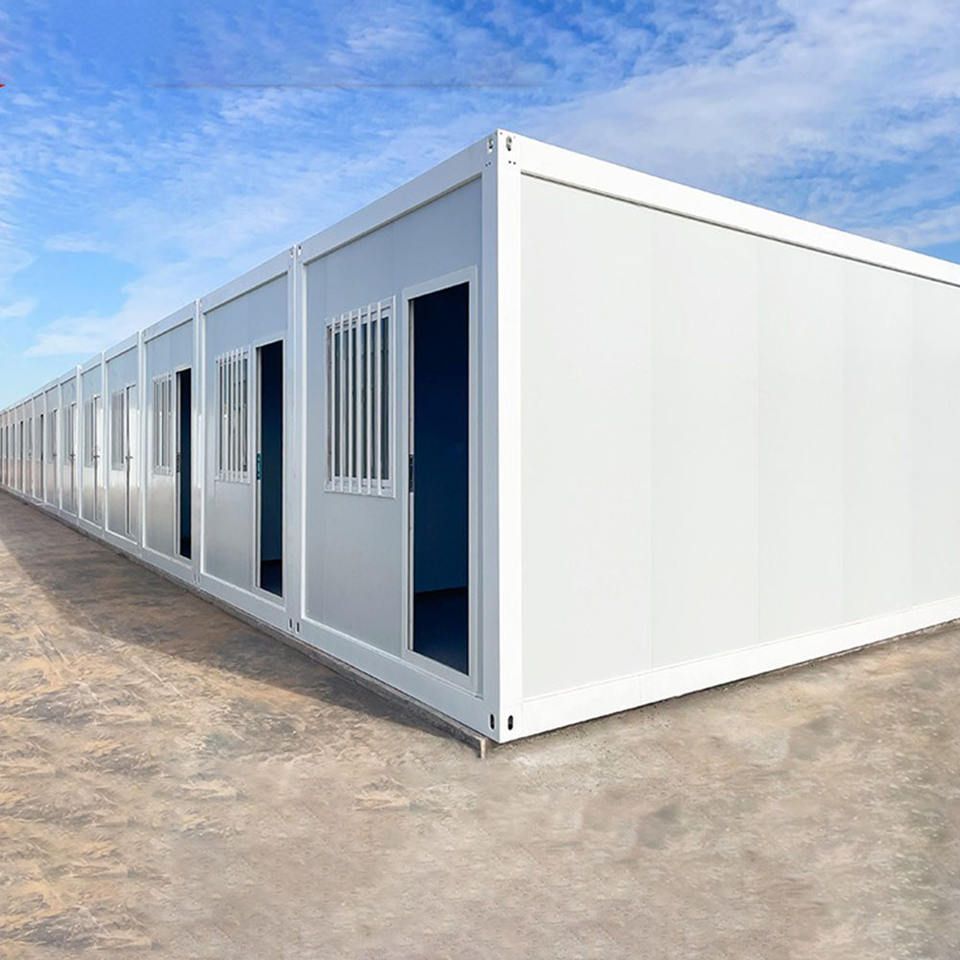
External Structure: It adopts a rectangular box design, determined by the convenience of transportation and the utilization rate of internal space. The materials are mostly fiberglass or metal alloys, which combine weather resistance and lightweight characteristics, enabling adaptation to complex outdoor climatic environments. The bottom of the box is equipped with a towing device or a pulley system to support vehicle traction for movement. The overall center of gravity design needs to balance stability and convenience to ensure that it is not prone to tipping over during relocation.
Internal Treatment System: Independent of the sewer network, common treatment methods include biodegradation, chemical decomposition, and physical storage. Biodegradation utilizes microorganisms to convert organic waste into harmless substances, suitable for scenarios with high usage frequency and long maintenance cycles. Chemical decomposition neutralizes odors and decomposes solids through reagents, suitable for short-term or low-frequency use. Physical storage uses sealed containers to temporarily store waste, requiring regular cleaning, suitable for environmentally sensitive areas. The choice of treatment method needs to consider usage frequency, maintenance conditions, and local environmental factors.
Ventilation Design: Ventilation pipes are installed at the top to form an airflow circulation, utilizing air pressure differences to reduce odor retention. Some systems are equipped with an activated carbon filter layer to reduce the impact of emissions on the environment by adsorbing gas molecules, rather than simply discharging them externally, reflecting an environmentally friendly design concept.
Configuration and Function: The basic configuration includes a squat toilet, a sink, a door lock, a light bulb, and an exhaust fan. The floor is designed to be slip-resistant, and the type is prefabricated with sound insulation functionality. Depending on usage scenario requirements, common styles include single-door, double-door, or multi-door designs, with a sturdy structure to ensure usage safety. For example, public activity areas may adopt a multi-door design to improve usage efficiency, while remote areas focus more on the durability of the structure.
Materials and Fabrication: The main materials are steel or plastic. When selecting materials, quality, corrosion resistance, and rust resistance need to be considered. The fabrication process includes cutting, drilling, welding, and other procedures, requiring a balance between lightweight durability and structural robustness to ensure long-term outdoor use without easy damage.
Design Principles: It adheres to six major principles: mobility convenience, economic durability, environmental protection and ecology, environmental friendliness, efficiency improvement, and humanitarian promotion. The overall structure is lightweight, with controlled height and width to adapt to different transportation vehicles. The mobile devices are complete and reasonable to ensure rapid deployment and relocation.



