
Pingliang Mobile Ecological Toilet Installation
The installation of mobile ecological toilets in Pingliang requires comprehensive consideration of multiple factors, including pedestrian traffic, terrain, environment, operation and maintenance, climate adaptability, and system coordination. Details are as follows:
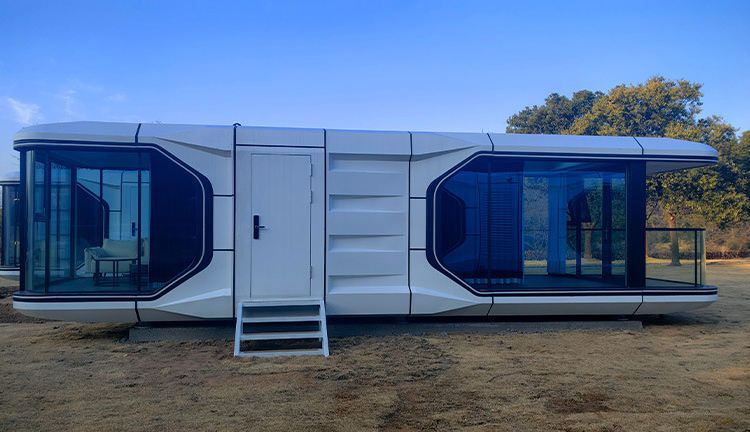
1. Pedestrian Traffic and Layout Planning The mobile toilets should be placed within a visible range of tens of meters from core activity areas, ensuring accessibility while avoiding interference with activity spaces. For example, they can be arranged around high-density areas such as squares and pathway intersections, while avoiding entrances or main landscape nodes to minimize impact on visitor flow.
2. Terrain and Infrastructure Adaptation The installation location must meet ground bearing capacity requirements to ensure the structural stability of the mobile toilets. If relying on municipal pipelines, water supply and drainage connections should be planned in advance; if no pipelines are available, independent water storage tanks and sewage tanks should be provided, along with planning for access routes for waste removal vehicles. The site should be level, avoiding low-lying areas prone to water accumulation or geologically soft areas to prevent settlement risks.
3. Environmental Compatibility Design The appearance and size of the mobile toilets should harmonize with surrounding vegetation and landscape features to avoid disrupting the natural landscape. For example, using wood-grain or green-plant-covered exteriors can reduce visual intrusion. They should also be kept away from children's play areas to minimize noise and odor disturbances; ventilation design should be optimized to ensure internal air circulation and reduce odor buildup.
4. Operation and Maintenance Convenience The location should allow for cleaning and maintenance operations, with clear vehicle access. For example, a 2-meter-wide maintenance area can be set up behind or beside the toilets for equipment replacement and waste collection. If placed in secluded corners, additional lighting, surveillance, or inclusion in patrol routes should be considered to enhance visitor safety.
5. Climate Adaptability Enhancement Given Pingliang's large temperature variations and windy conditions, mobile toilets should use insulated sandwich walls and UV-resistant surface materials to extend service life. In windy areas, foundation fixation can employ anchor bolts or weight blocks for stability; for installations on slopes, adjustable support feet should be provided on the chassis to ensure level placement.
6. System Coordination Operation Guarantee Mobile ecological toilets rely on the coordinated operation of water circulation, waste treatment, and ventilation modules. For example, infrared sensors detect toilet usage, triggering automatic flushing and ventilation by a central controller; when the storage tank reaches 80% capacity, an indicator light signals the need for waste removal. Regular system maintenance is essential to ensure proper functioning of sensors, controllers, and other equipment.



