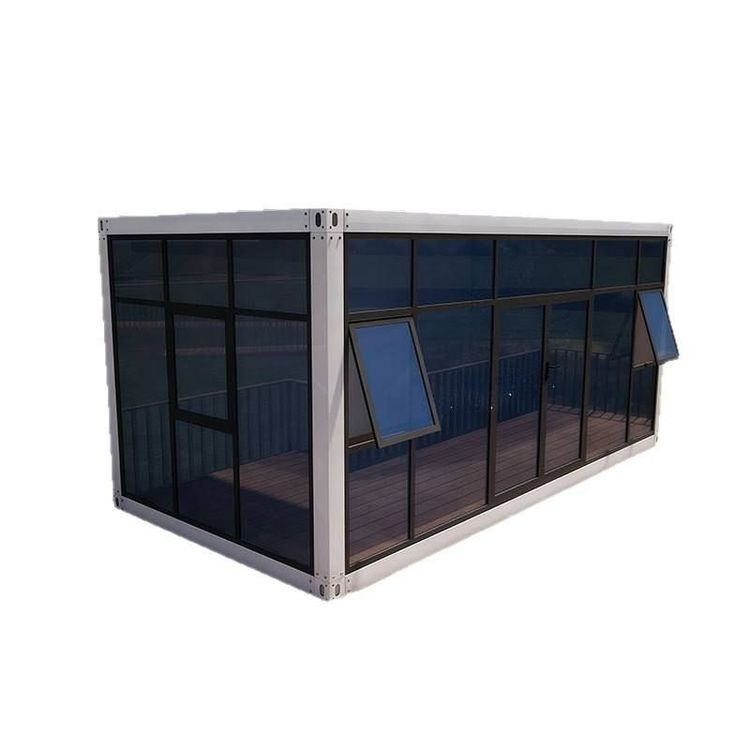
PC Cement Prefabricated House Decoration
The decoration of PC cement prefabricated houses should be planned in combination with their prefabricated characteristics and architectural performance. Although there is currently a lack of detailed procedures, suggestions can be made based on their advantages and conventional decoration logic.
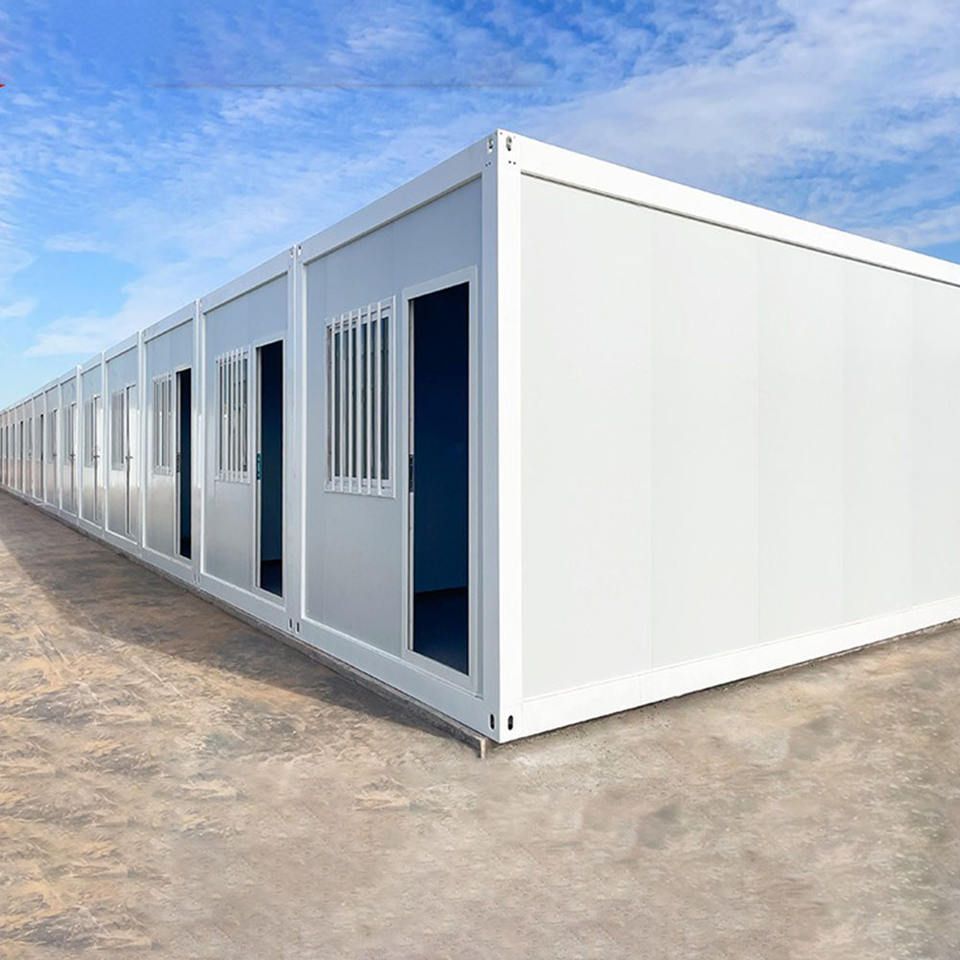
1. Decoration Design Should Match Prefabricated Structural Characteristics
PC cement prefabricated houses adopt a factory-prefabricated component and on-site assembly model, with standardized component sizes and connection nodes. During the decoration design phase, it is essential to communicate with the prefabricated component manufacturer first to clarify the modifiable range of structures such as walls and floors. For example, products from Huacheng Cement House Factory are cast as a whole using reinforced concrete, offering strong earthquake and pressure resistance. However, the walls may be load-bearing structures, and it is not advisable to randomly demolish, modify, or cut slots during decoration to avoid damaging structural stability. If additional partitions or functional divisions are needed, it is recommended to use lightweight partition boards or furniture for separation, ensuring space flexibility while adhering to the lightweight design concept of prefabricated houses.
2. Style Selection Can Highlight Industrialization and Practicality
The decoration style of PC cement prefabricated houses can revolve around their "industrial" attributes. Modern minimalist style or industrial style are common choices: the former weakens the cold and hard feel of cement components through simple lines and neutral tones (such as gray, white, and wood color), while the latter can retain some concrete surface textures, paired with metal lamps, exposed pipelines, and other elements to enhance industrial texture. If a warm feel is desired, soft materials such as fabrics and green plants can be added to the soft furnishings to balance the monotony of the hard space. It is important to avoid excessive decoration, as the advantage of prefabricated houses lies in rapid delivery and functional integration, and decoration should focus on practicality, reducing the space occupied by complex shapes.
3. Functional Optimization Should Leverage Prefabricated Performance Advantages
PC cement prefabricated houses possess fire resistance, thermal insulation, wind resistance, and moisture resistance. During decoration, these advantages can be further enhanced. For example, the exterior wall does not require an additional thermal insulation layer, but low thermal conductivity door and window materials can be selected indoors to improve overall energy efficiency; moisture resistance can reduce the need for moisture-proof treatment on floors and walls, but attention should be paid to waterproofing in wet areas such as bathrooms and kitchens to avoid leakage due to assembly gaps. Additionally, earthquake resistance requires decoration materials to be as lightweight as possible, such as choosing light steel keel ceilings and aluminum扣板 (aluminum panel) walls to reduce structural load.
4. Personalized Customization Requires Advance Planning
Huacheng Cement House Factory offers a full range of styles and personalized customization services. Before decoration, it is necessary to clarify usage needs, such as whether to reserve smart home interfaces or special storage spaces. If the house is used for commercial purposes (such as homestays or offices), movable partitions or multifunctional furniture can be designed in combination with the modular characteristics of prefabricated components to improve space utilization. For customized decoration, it is essential to synchronize drawings with the manufacturer to ensure that component production has reserved pipeline holes, equipment installation positions, etc., avoiding rework later.
Currently, there are no publicly available specifications for the decoration details of PC cement prefabricated houses (such as specific construction procedures and material selection standards). It is recommended to consult professional institutions or refer to similar project cases before decoration to ensure a scientific and feasible plan.