Mobile Dry Toilets in Pastoral Areas
Mobile dry toilets in pastoral areas are important facilities that adapt to the nomadic lifestyle of following water and grass and solve sanitation problems, featuring flexibility and environmental protection and energy efficiency.

1. Flexibility to Adapt to Pastoral Lifestyle
The core advantage of mobile dry toilets in pastoral areas lies in their portability. As herders need to move their herds with seasonal changes, traditional fixed toilets cannot meet the demand, while mobile dry toilets can move with the grazing points, becoming “mobile public service points”. For example, in the Inner Mongolia Autonomous Region, mobile dry toilets are distributed along nomadic routes, covering key tourist attractions and nomadic sumus (townships), facilitating herders' use and avoiding resource waste caused by idle fixed facilities.
2. Technical Support in Extreme Environments
In pastoral areas, winters are extremely cold, and ordinary toilets are prone to freezing and becoming unusable due to low temperatures. Mobile dry toilets use special insulation materials supplemented by heating systems, enabling normal operation in environments as cold as tens of degrees below zero, ensuring year-round usability of the facilities. This design breaks through geographical and climatic limitations, providing a reliable solution for public sanitation in high-altitude and cold regions.
3. Ecological Protection and Resource Recycling
Mobile dry toilets convert waste into organic fertilizer or compliant clean water on-site through microbial degradation technology, avoiding pollution of soil and water sources by traditional toilets. At the same time, they do not require the laying of large-scale pipe networks, maximizing the protection of the fragile surface ecology of grasslands. The application of solar power systems further achieves self-sufficiency in energy, aligning with the concept of green and sustainable development.
4. Diverse Application Scenarios
In addition to pastoral areas, mobile dry toilets are also widely used in grassland tourist areas, large-scale events, and other scenarios. In tourist areas, they are distributed along core routes, covering key areas; in large-scale events, they can be deployed in batches as temporary facilities to meet high demand in a short period. For example, the Inner Mongolia Autonomous Region has deployed more than 1,200 mobile toilet booths, covering 80% of key tourist attractions and nomadic areas, significantly improving public sanitation service levels.
5. Technological Upgrades and Customized Services
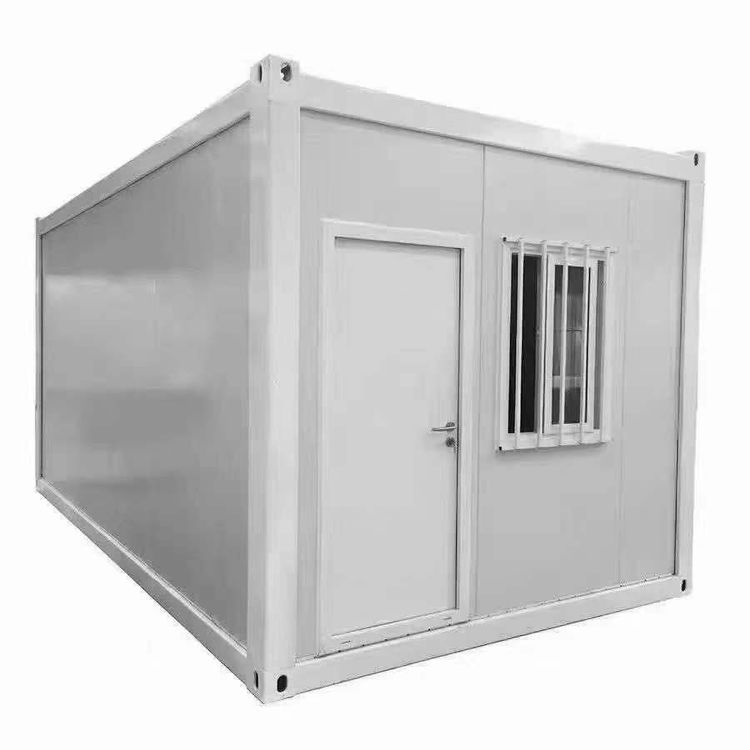
Lightweight public toilet products such as mobile dry toilets for mountainous rural areas have also emerged on the market, using steel structural materials and supporting various flushing methods such as water flushing with smart sensors, waterless packaging, and microbial degradation. The internal supporting facilities are complete and can be customized in size and function according to needs, further expanding the application scope of mobile dry toilets.