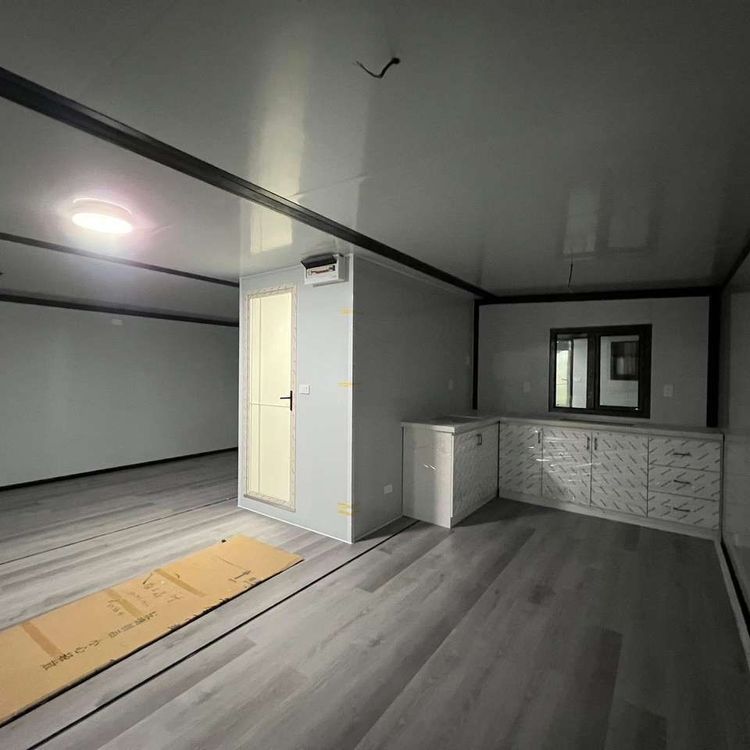
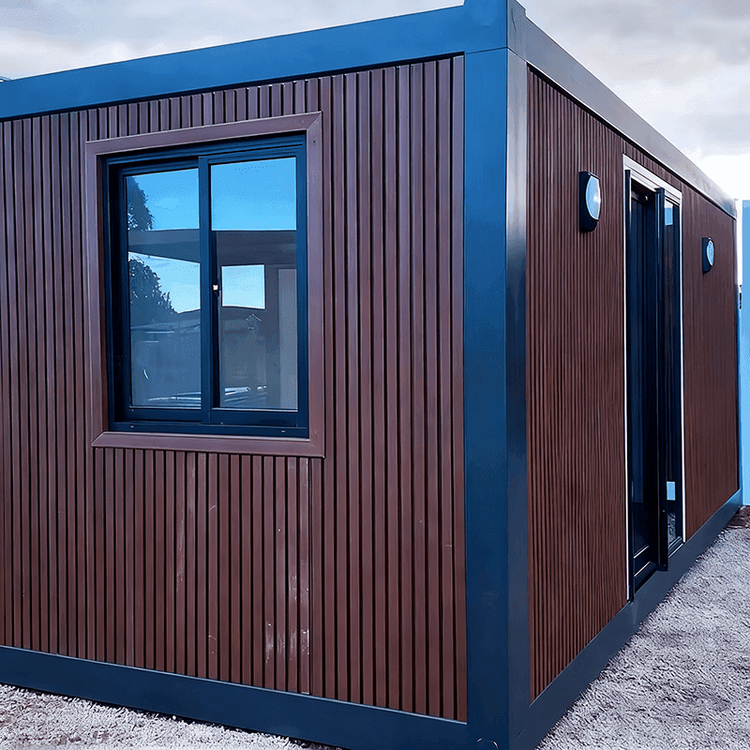
Panel Prefabricated Housing
Panel prefabricated housing is a type of housing constructed primarily using prefabricated panels. It offers advantages such as fast construction and low cost, but has weaknesses like poor earthquake resistance. Currently, it is mostly used for renovation and has shown good performance in overseas markets.

Definition and Components
Panel prefabricated housing centers around factory-made cement components—prefabricated panels. These panels are created by nailing wooden models, arranging steel bars, and pouring cement, and come in two types: solid and hollow. The hollow structure achieves lightweighting by reducing non-load-bearing concrete. It belongs to a category of prefabricated assembled buildings, with main types including panel-assembled, box-assembled, and frame-assembled structures. Among them, panel-assembled structures use prefabricated wall panels and floor slabs as core components.
Features
Advantages:
- Fast Construction Speed: Components are prefabricated in factories and assembled on-site, shortening the construction period compared to traditional methods. For example, box-assembled construction speed can increase by 50%-70%.
- Low Cost: It has been widely used in the construction of affordable housing and economic housing.
- High Production Efficiency and Good Product Quality: Industrial production improves workers' labor conditions, has a smaller environmental impact, and is conducive to sustainable development.
Disadvantages:
- Weak Earthquake Resistance: Existing prefabricated panel houses generally suffer from insufficient earthquake resistance.
- Poor Sound and Heat Insulation: Structural characteristics result in poor sound and heat insulation effects.
- Limited Service Life: Typically, it lasts for 30-50 years.
- Restricted Design Flexibility: The house layout design is fixed, with small room spans and poor north-south ventilation.
- Poor Renovation Flexibility: Walls are mostly load-bearing, and the connection between floor slabs and walls relies on the overall structure, making renovation difficult.
Application and Renovation
From the 1970s to the 1990s, prefabricated panel houses were widely used in urban residential areas, mostly for affordable housing and economic housing. Since 2022, China has implemented a policy of renovating old buildings, focusing on repairing and renovating prefabricated panel houses and only demolishing those that meet the criteria for dangerous buildings. For example, in a community in Fengtai, Beijing, old prefabricated panel houses were demolished and rebuilt into new houses with an earthquake resistance of magnitude 8, and elevators were installed. Residents bore 30% of the costs, while the government subsidized 70%.
Market Situation
Chinese-made prefabricated houses have shown strong performance in overseas markets. According to customs data, in the first four months of 2026, the export of movable houses from the Guangzhou Customs area reached 1.4 billion yuan, a year-on-year increase of 38.1%; exports from Shenzhen ports reached 1.68 billion yuan, a year-on-year increase of 19.6%.