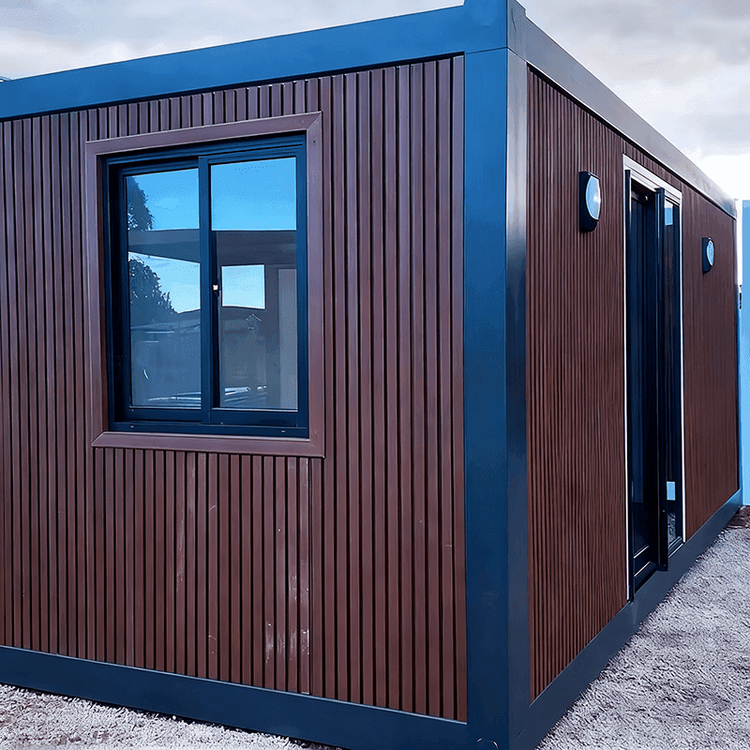
Why Portable Toilet Bathroom Matter: A Quick Guide
The importance of portable toilets primarily lies in their core advantages, including rapid assembly, flexible customization, portability, durability, safety, cost-effectiveness, and multi-scenario applicability.

1. Rapid Assembly and Convenience
Portable toilets can be installed in a short time, with one person able to assemble 7-10 units per hour. This characteristic makes them ideal for emergency scenarios (such as disaster relief and temporary events), enabling them to quickly meet the sanitation needs of large crowds and avoid public health risks caused by a lack of infrastructure.
2. Highly Customizable Design
Their size, color, and internal layout can be adjusted according to specific needs. For example, tourist attractions can choose appearances that harmonize with the natural landscape, while large events can add barrier-free facilities or nursing rooms. This flexibility allows them to adapt to different environments and user groups, enhancing the user experience.
3. Portability and Mobility
No fixed foundation is required, and they can be disassembled and moved to new locations at any time. This feature makes them widely used in outdoor scenarios such as construction sites, parks, squares, and stations, especially suitable for occasions requiring dynamic layout adjustments (such as music festivals and sports events), effectively reducing resource idleness.
4. Durability and Long Lifespan
Constructed with sturdy materials like steel frames, they have a lifespan exceeding 7-10 years. Long-term durability reduces the cost of frequent replacements, while their corrosion-resistant and aging-resistant properties ensure stable operation in harsh environments (such as coastal and alpine regions).
5. Environmentally Friendly and Safe Design
They feature waterproof, fireproof, earthquake-resistant, and wind-resistant properties, with some models even passing earthquake resistance certifications. The sealed design prevents sewage leakage, avoiding soil and water source pollution; the use of environmentally friendly materials reduces ecological impact, aligning with sustainable development concepts.
6. Cost-Effectiveness Advantages
Compared to traditional toilets, portable toilets have a lower unit price and do not require pipeline laying or foundation construction, saving a significant amount of infrastructure and labor costs. Their modular design also supports adding or removing units as needed, further optimizing resource allocation.
7. Multi-Scenario Adaptability
From temporary camps to emergency projects, from construction teams to large events, portable toilets can provide reliable support. For example, during construction in remote areas, they can move with the project progress to ensure workers have nearby access; after natural disasters, they can be quickly deployed to provide basic sanitation for affected people.