Panasonic Prefabricated Housing
Panasonic has extensive practices and innovations in the field of prefabricated housing, covering project practices, housing system features, market layout, and development goals.
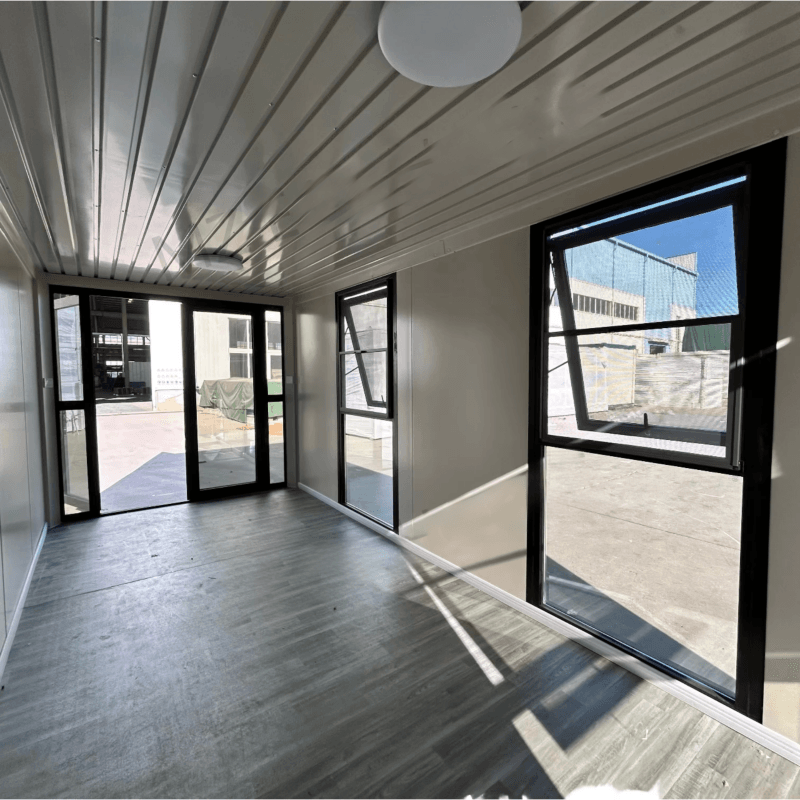
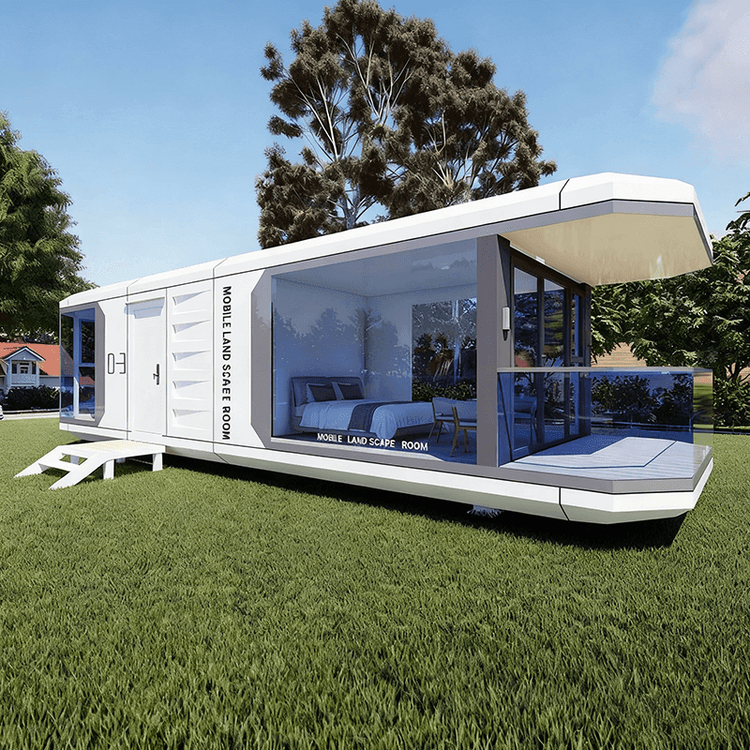
In terms of project practices, Panasonic actively engages in collaborations. It has partnered with China's Glodon and Linkage Tianyi to carry out prefabricated assembled housing projects. At the same time, it focuses on container prefabricated housing in China, with each unit measuring 3m in width x 6m in length, similar to a standard container. These prefabricated houses are fully equipped with ventilation equipment, lighting, toilets, and showers. The manufacturing cycle takes only two weeks, and they are reusable, with a minimum price of approximately 500,000 yen (about 33,000 RMB), offering high cost-effectiveness.
The Panasonic prefabricated housing system has distinct features. Essentially, it is a container-style prefabricated house. In addition to common lighting equipment, it is fully equipped with toilets and shower facilities, and the ventilation equipment ensures the circulation of indoor air, providing a relatively comfortable living environment for occupants.
In terms of market layout, Panasonic has a long-term and broad vision. In Europe, Taiwan, and mainland China, it has reached cooperation agreements with local housing builders and real estate developers, focusing on the interior construction of apartments. In Southeast Asia, Panasonic has taken the lead in developing housing systems in five countries: Thailand, Indonesia, the Philippines, Vietnam, and Malaysia. This is because these countries are experiencing rapid population growth, resulting in an urgent demand for housing, while also facing a shortage of labor. The emergence of Panasonic prefabricated housing precisely meets the local need for rapid housing construction.
Panasonic also has clear development goals in the field of prefabricated housing. By 2030, the sales target for Panasonic's housing system business is set at 100 billion yen (about 6.6 billion RMB), with Southeast Asia alone planned to account for 40 billion yen, demonstrating Panasonic's emphasis on this regional market and its confidence in the development of its prefabricated housing business.