
Back to blog
Article
Packaged Mobile Toilet Design
Admin October 01, 2026
The design of packaged mobile toilets requires comprehensive consideration of structure, functionality, materials, and applicable scenarios. Below are specific design plans and key points:
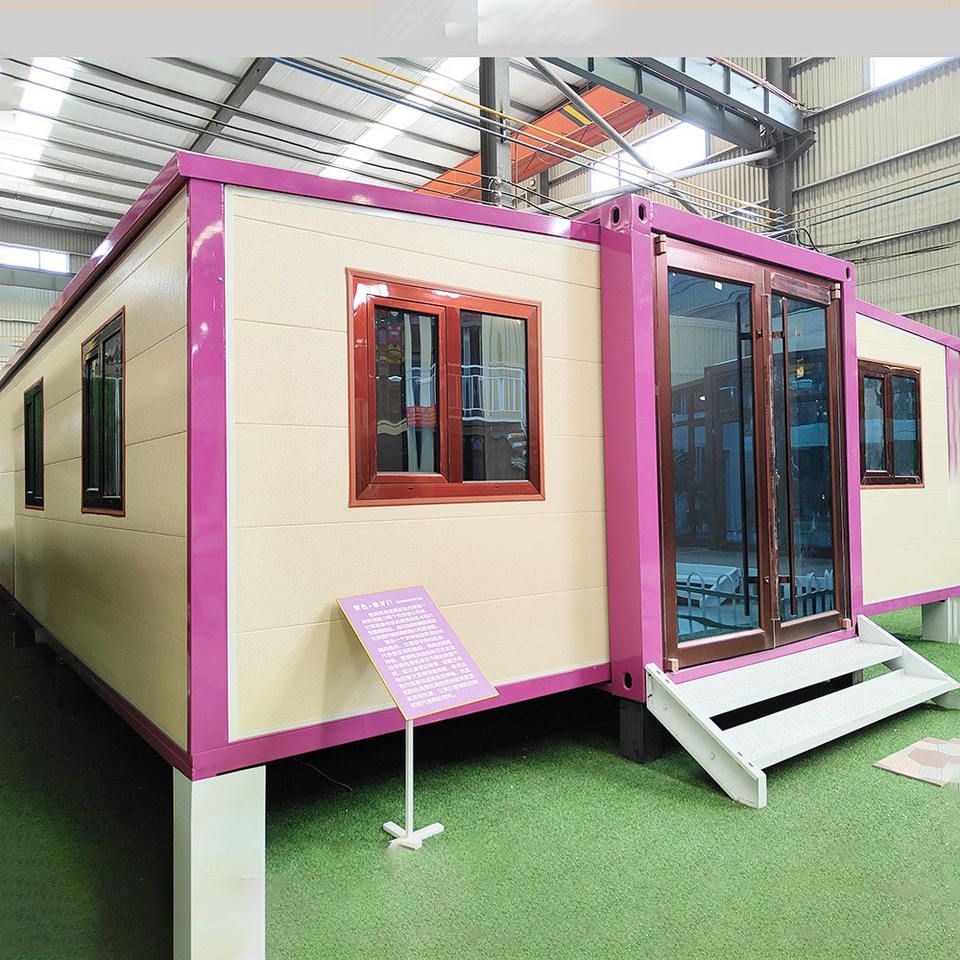
1. Basic Structural Design
The core structures of packaged mobile toilets fall into two categories: container-type and tent-type.
- Container-type: Utilizing standardized packaging containers as the framework (e.g., a 3.6m x 6m container with a height of 2.5m), it features a pure white exterior for visual cleanliness. Internally, it incorporates a suspended ceiling and dark gray ceramic floor tiles to enhance durability and slip resistance. In terms of spatial layout, two ceramic sinks are placed in the center, with separate areas for men (including urinals) and women on the left and right sides, respectively. A mop sink is added at the entrance for easy cleaning.
- Tent-type: Built on a stainless steel container base, it is paired with a collapsible tent structure and achieves waterless flushing through mechanical devices. The core principle is as follows: After a user defecates or urinates, a foot-operated or electrically driven mechanical structure pulls a dedicated packaging bag (made of biodegradable or high-strength plastic film) to seal and wrap the waste and automatically lay a new bag, eliminating the need for water throughout the process and making it suitable for scenarios without infrastructure.
2. Functional Module Configuration
- Waste Treatment: Container-type toilets need to be connected to a septic tank or require regular pumping; tent-type toilets rely on a sealed packaging bag system and require regular replacement of the bags (the usage cycle per bag is approximately 50-100 times, depending on the bag's capacity).
- Ventilation and Deodorization: An exhaust fan is installed at the top, and the interior is coated with anti-mold paint. Solid deodorizers (such as activated carbon packs) are used to reduce odors.
- Cleaning and Maintenance: The sinks are equipped with sensor-activated faucets (which can be replaced with hand sanitizer dispensers in tent-type toilets). The floor features drainage channels (in container-type toilets) or disposable floor mats (in tent-type toilets) to reduce cleaning frequency.
3. Material Selection and Durability
- Container Material: Galvanized steel sheets or aluminum alloys are preferred, with anti-rust paint applied on the surface to extend outdoor service life.
- Packaging Bag Material: Tent-type toilets require high-density polyethylene (HDPE) film with a thickness of 0.1-0.15mm, balancing strength and biodegradability (some products can incorporate starch-based components to accelerate degradation).
- Floor Material: Container-type toilets use non-slip ceramic tiles (with a friction coefficient ≥ 0.6), while tent-type toilets can use disposable PVC floor mats to reduce maintenance costs.
4. Applicable Scenarios and Deployment
- Container-type: Suitable for long-term use scenarios (such as construction sites and tourist attractions), it can be connected to municipal sewage networks or equipped with small-scale sewage treatment equipment.
- Tent-type: Applicable to emergency relief, temporary events, and other scenarios, it can be assembled in a short period (2-4 hours) and does not require water or electricity connections. However, it requires regular replenishment of packaging bags.
Design Optimization Suggestions: In cold regions, container-type toilets can be equipped with electrically heated floor tiles; tent-type toilets can be paired with solar power systems to drive exhaust fans and packaging mechanisms, enhancing environmental adaptability.
Related


