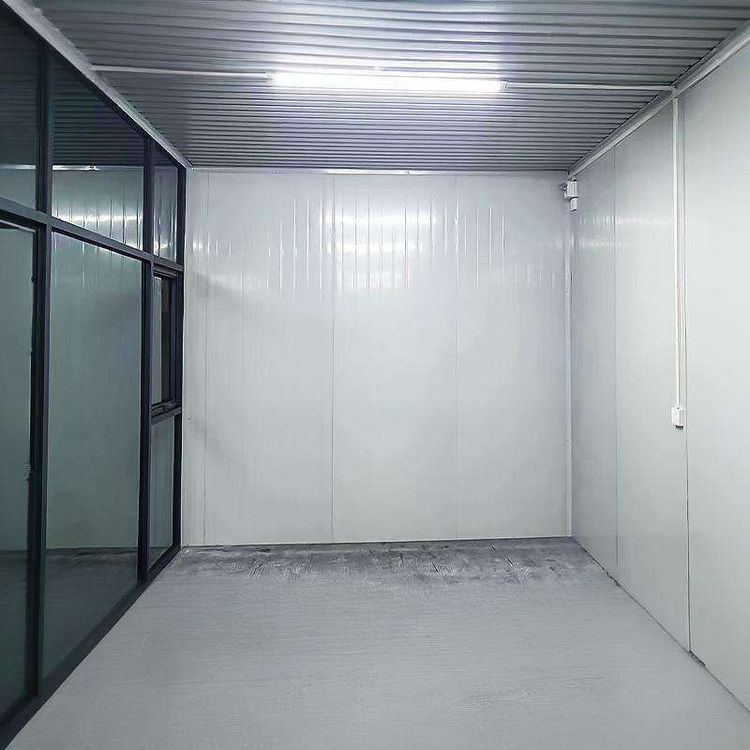
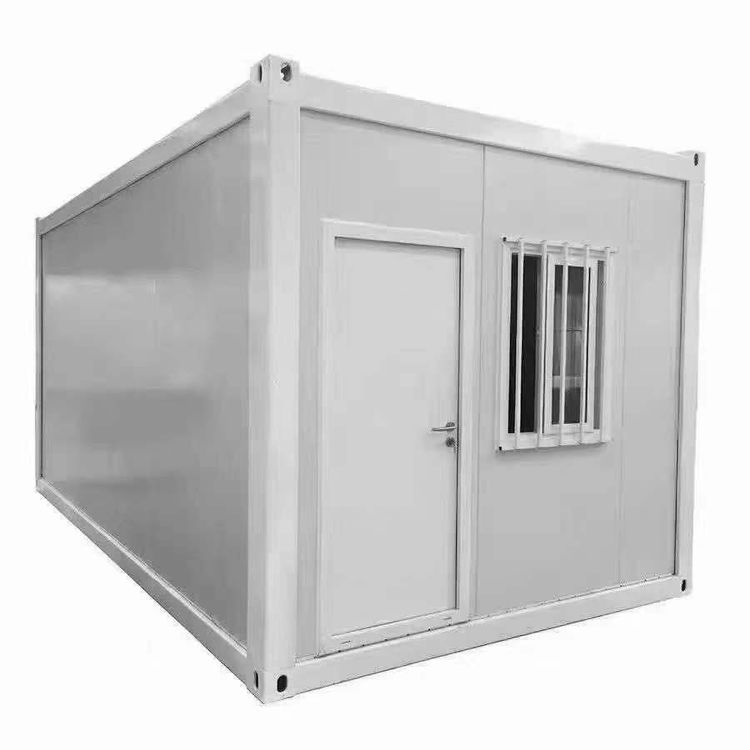
Outdoor Small Mobile Toilet Design
The design of outdoor small mobile toilets requires comprehensive consideration of multiple factors such as structural materials, functional zoning, mobility methods, and sewage treatment methods, adhering to principles of mobility convenience and economic durability.

Structure and Materials
The overall structure should aim to be lightweight yet sturdy, with options like fiberglass and polyethylene as lightweight and durable materials. Different styles have distinct designs; for example, a pastoral-style mobile toilet can feature a ridged roof with thatch decoration, and unified wall panel and door colors to create a natural and rustic atmosphere. A warm-toned Apple Cabin toilet can have a two-tone exterior design to enhance its aesthetic appeal, with double doors in the middle for insulation.
Functional Zoning and Facilities
Plan functional zones reasonably and equip them with corresponding facilities. Washbasins, beauty mirrors, and other grooming equipment can be installed for user convenience. Male toilets can be equipped with partitions to ensure user privacy.
Mobility-Related Design
Mobile toilets can be classified into lifting and handling types, as well as powered and towed types based on their mobility methods. When designing, full consideration should be given to the completeness and rationality of the mobility devices to ensure a safe and convenient moving process that can adapt to different sites and usage requirements.
Sewage Treatment Method Design
Choose an appropriate sewage treatment method based on actual needs. Water-flush and waterless suction-type mobile toilets, circulating water-flush mobile toilets, and dry-packing mobile toilets each have their own characteristics. Water-flush toilets offer good cleaning effects but require a water connection; waterless suction types are suitable for areas with scarce water resources; circulating water-flush types can save water; and dry-packing types do not require water and are easy to handle.
Design Principles
Adhere to principles of mobility convenience and economic durability; environmental protection and ecological friendliness; and enhancing efficiency and promoting humanity. At the same time, control the height and width of the toilet to ensure it is easy to move and use while adapting to different site spaces.
References for Outdoor Toilet Design Abroad
If built in a yard, it only requires 1-2 square meters of space, with the toilet and sink designed like an indoor bathroom. Consideration should be given to connecting the toilet's sewage pipe to the water tank, as well as arranging wires for sound insulation and lighting fixtures. Alternatively, a toilet can be formed by connecting PPR pipes and then covered with fabric. This design uses modern facilities, offers good conditions, solves the odor problem of indoor bathrooms, and is convenient for family members and outsiders to use.