
Materials for Outdoor Portable Toilets
Common materials for outdoor portable toilets include metal materials, anti-corrosion wood panels, PVC plastic panels, aluminum ceiling panels, HPL high-pressure laminate panels, phenolic resin high-pressure panels, color-coated steel panels, high-strength plastics, fiberglass, and composite materials, among others.
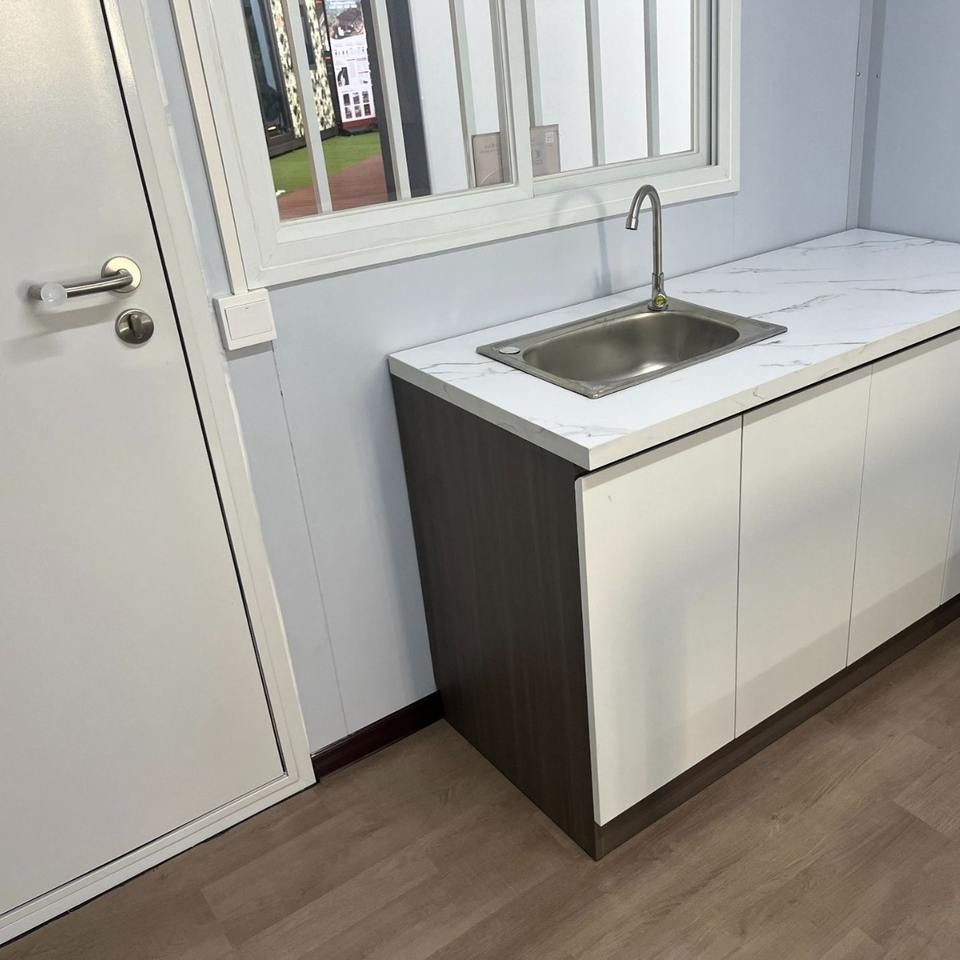
Among metal materials, stainless steel is characterized by high strength, rust resistance, high-temperature resistance, and ease of cleaning. However, its cost is relatively high, making it suitable for scenarios with high requirements for durability and hygiene. Galvanized steel sheets, after galvanization treatment, can effectively prevent the growth of mold and bacteria, and are corrosion-resistant and hard, often used for structural frames or external panels.
Anti-corrosion wood panels, after special treatment, have excellent anti-corrosion properties and can maintain a long service life even in humid or rainy environments. At the same time, their natural wood grain texture enhances the overall aesthetic appeal of the toilet, making them suitable for scenarios pursuing a natural style.
PVC plastic panels have excellent waterproof and moisture-proof properties, effectively preventing water penetration and keeping the interior of the toilet dry. They come in a variety of colors, are easy to clean, and can be customized according to needs to meet the decorative requirements of different venues, often used for interior walls or partitions.
Aluminum ceiling panels are moisture-proof, impact-resistant, stain-resistant, and can be seamlessly spliced. They have strong oxidation resistance and a long service life, making them particularly suitable for the walls or ceilings of outdoor restrooms that require high durability and waterproofing.
HPL high-pressure laminate panels are waterproof, stain-resistant, and wear-resistant, with a smooth surface that is easy to clean. They come in a variety of design styles and are very suitable for partitions in public toilets with high foot traffic, such as park public toilets and scenic area restrooms.
Phenolic resin high-pressure panels are molded in one piece without the need for edge finishing. They are moisture-proof, stain-resistant, and easy to clean, with thickness options of 12mm or 18mm. However, they need to be paired with high-quality hardware accessories to enhance their overall integrity.
Color-coated steel panels are often used for the roof and walls of portable toilets. They have sufficient strength and do not require secondary decoration. They are sturdy and durable, effectively resisting wind and rain erosion.
High-strength plastics are durable, waterproof, and moisture-proof, suitable for outdoor use. For example, some simple portable toilets use high-strength plastic materials, which can be folded into a compact size for easy carrying and storage.
Fiberglass roofs with an overall shape are used for portable toilets, providing thermal and sound insulation functions, and featuring an insulation layer design. In addition, high-quality steel is often used for the ceilings of portable toilets, which are aesthetically pleasing and easy to manage and maintain.
Composite materials are usually composed of multiple materials, such as the combination of polyurethane foam core material and fiberglass outer layer. They not only maintain good structural strength but also have excellent thermal and sound insulation properties. In addition, composite materials have good plasticity and can be customized and processed according to design requirements to meet the installation requirements of different occasions.



