Outdoor Portable Toilet
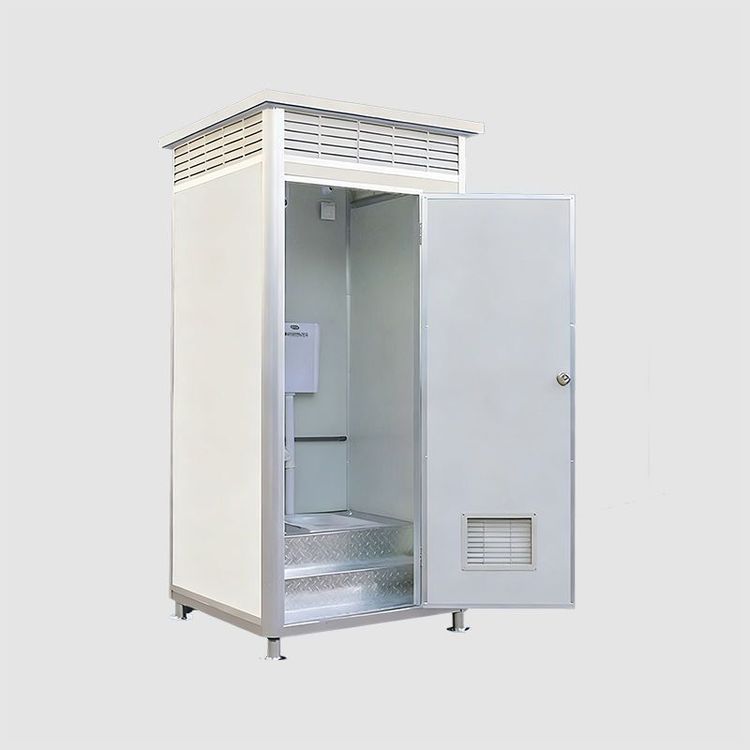
An outdoor portable toilet is a facility that can be moved as a whole and provides toilet services to the public. It is suitable for various places and has multiple types and features.

Suitable Places
Outdoor portable toilets are suitable for stations, docks, tourist attractions, villa areas, newly built residential communities, large construction sites, squares, densely populated public places, and bustling commercial streets. These places often have temporary or fixed toilet needs, while the construction of traditional fixed toilets has high costs and long cycles. Portable toilets can quickly meet these needs. For example, at large construction sites, there are many workers with high mobility, and portable toilets can be flexibly adjusted according to the progress of the project. At tourist attractions, the number of tourists surges during holidays, and portable toilets can effectively alleviate toilet pressure.
Composition Structure
Generally, it consists of a fecal sewage storage tank (or fecal sewage treatment device), floor slab, sanitary ware, walls, washing equipment, water tank, roof, and moving device. These components work together to ensure the normal use of the portable toilet. The fecal sewage storage tank is used to collect and store excrement. The sanitary ware provides the basic toilet function. The walls and roof ensure the privacy and safety of users, and the moving device facilitates the overall movement of the toilet.
Material Development
Initially, portable toilets were made of materials such as wood, with simple structures and functions and were prone to absorbing odors. Later, they gradually developed to use materials such as fiberglass-reinforced plastic and polyethylene. Fiberglass-reinforced plastic has the advantages of being lightweight, high-strength, and corrosion-resistant, while polyethylene has good chemical stability and weather resistance. The use of these materials has improved the quality and service life of portable toilets.
Type Classification
According to the structural form, they can be divided into single-structure portable toilets and composite-structure portable toilets. According to the moving method, they can be divided into lifting and handling portable toilets, powered and towed portable toilets. According to the sewage treatment method, they can be divided into water-flushing and non-water-flushing suction portable toilets, circulating water-flushing portable toilets, and dry-packing portable toilets. Different types of portable toilets are suitable for different scenarios and needs.
Features and Advantages
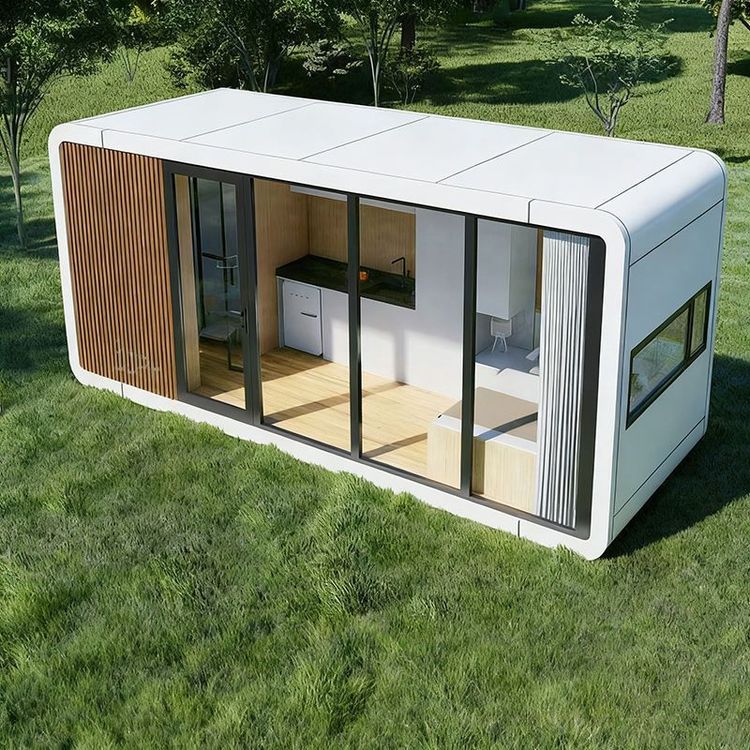
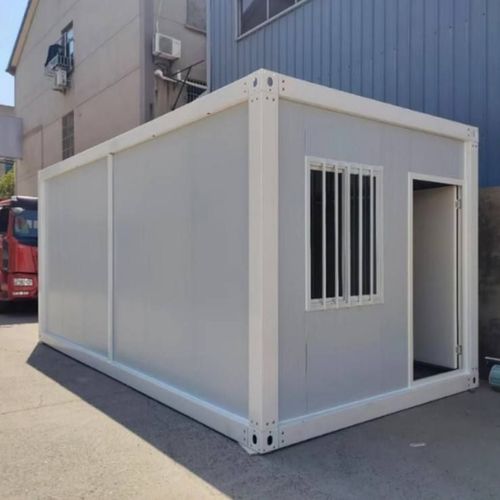
They can be conveniently transported to any place where toilets need to be set up and can be used repeatedly. They have the advantages of being movable, combinable, and easy to transport. For example, a pastoral-style portable toilet has a ridged roof decorated with straw, a spacious rain-proof area in front with public washbasins and beauty mirrors. A steel-frame portable toilet can be customized at will, with an overall ridged roof, metal-carved walls, and an open washing area in the middle.