Outdoor Park Mobile Toilet
Outdoor park mobile toilets are movable facilities designed to meet temporary or periodic toilet needs in places such as parks. They feature diverse types, flexible structures, and environmental efficiency.

I. Types and Configurations
Outdoor park mobile toilets have evolved into various types based on usage scenarios and requirements:
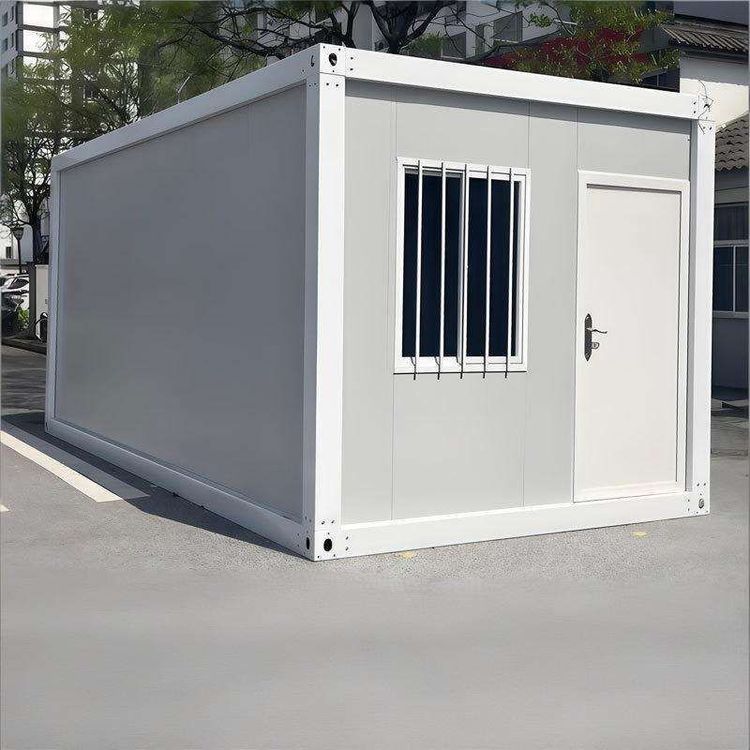
- Basic Functionality Type: For example, the 4-stall model has 2 stalls each for men and women, with a shared handwashing area in the middle. The toilet compartments are equipped with urinals and independent stalls to meet basic toilet needs. The 3-stall model features a flat roof design, with exterior walls made of thermal insulation materials and aluminum alloy doors paired with internal sanitary fixtures, suitable for regions with variable climates.
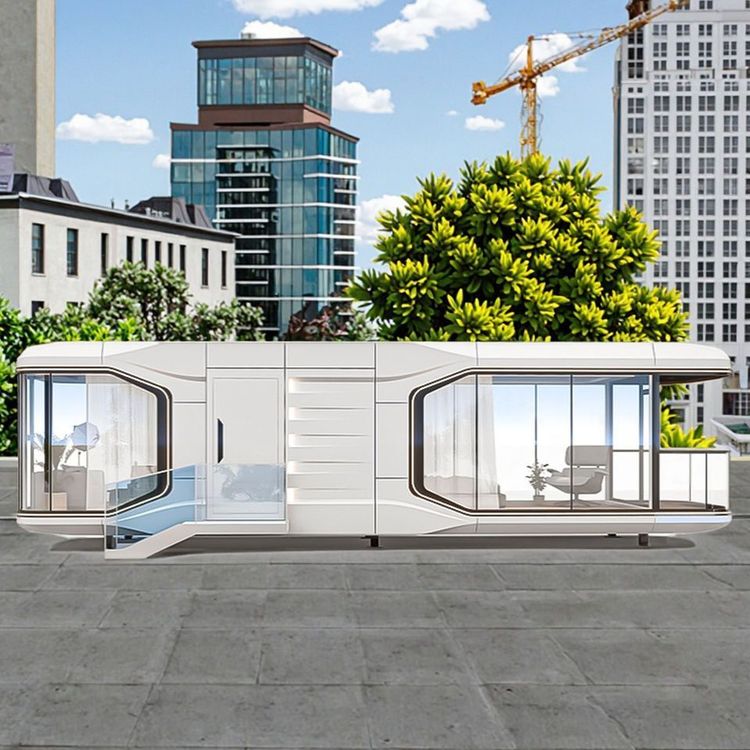
- Customized Design Type: Apple Pod mobile toilets support customization of exterior patterns and colors, allowing for personalized designs based on park themes or cultural characteristics to enhance visual harmony.
II. Structure and Composition
The core structure of mobile toilets includes:
- Fecal Treatment System: Equipped with fecal wastewater storage tanks or disposal units, some models adopt water flushing, waterless suction, recirculating water flushing, or dry packing technologies to achieve classified wastewater treatment.
- Main Framework: Composed of walls, roofs, and flooring, with materials emphasizing durability and environmental friendliness, such as aluminum alloy doors and thermal insulation exterior walls.
- Supporting Facilities: Sanitary fixtures (stalls, urinals), handwashing equipment (sinks), water tanks, and mobility devices (wheels, lifting structures) ensure complete functionality and mobility.
III. Classification Methods
- By Structural Form: Divided into single-unit structures (independent units) and composite structures (multi-unit combinations) to accommodate different spatial requirements.
- By Mobility Method: Includes lifting/transport types (requiring mechanical equipment assistance) and powered/trailer types (with built-in power or towable for travel), enhancing deployment flexibility.
- By Wastewater Treatment: Water flushing types rely on a water source and are suitable for areas with water supply; waterless suction types reduce water usage through vacuum suction; recirculating water flushing types achieve water resource reuse; dry packing types directly collect feces without flushing, suitable for water-scarce or high environmental requirement scenarios.
IV. Core Advantages
The greatest value of mobile toilets lies in their mobility and reusability, allowing for rapid deployment to temporary events, peak tourist seasons in scenic spots, and other scenarios, avoiding the long construction periods and high costs associated with traditional toilets. Additionally, their modular design supports combined expansion to accommodate different visitor volumes, with environmentally friendly materials and easy maintenance aligning with sustainable development principles.