Outdoor Paid Portable Toilet
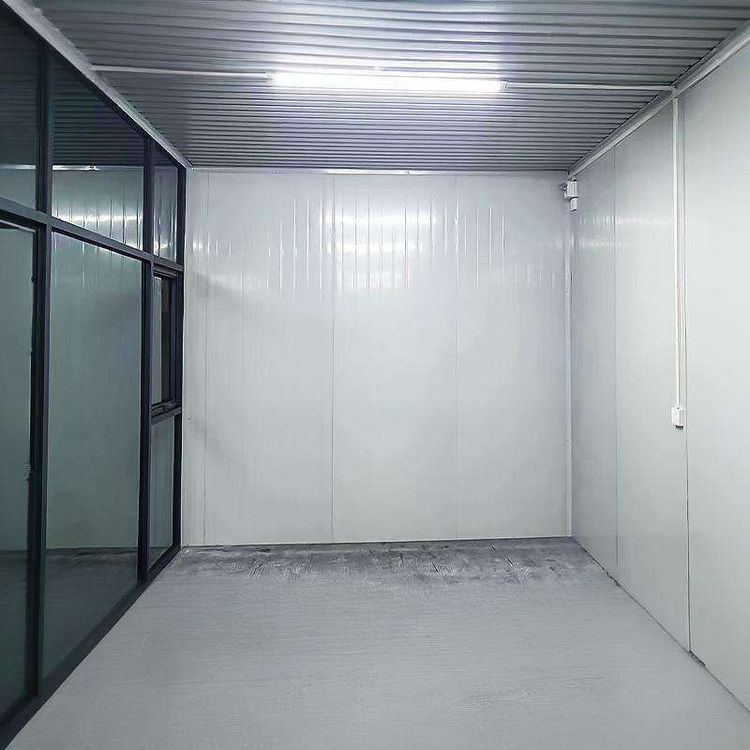
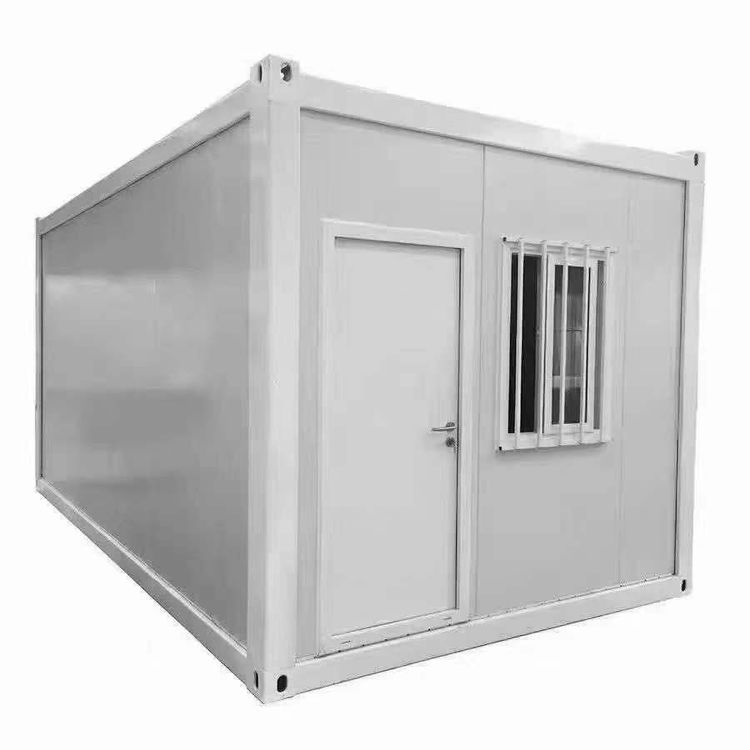
An outdoor paid portable toilet is a facility that can be moved as a whole and provides toilet services to the public. It is suitable for various locations and features multiple structural forms and sewage treatment methods.

I. Suitable Locations Outdoor paid portable toilets can be installed at locations with fixed or temporary needs, such as stations, docks, tourist attractions, newly built residential areas, large construction sites, squares, densely populated public places, and bustling commercial streets. Their portability enables them to quickly respond to toilet demands in different scenarios, effectively alleviating the shortage of public toilet resources, especially during temporary events or peak periods of pedestrian traffic.
II. Structural Composition A portable toilet generally consists of a fecal sewage storage tank (or disposal unit), flooring, sanitary ware, walls, washing equipment, a water tank, a roof, and a moving device. These components work together to ensure the basic functionality and hygiene of the toilet. For example, the fecal sewage storage tank is used to collect waste, the sanitary ware provides convenience for using the toilet, and the moving device supports the overall transportation of the toilet.
III. Classification Methods
- By structural form: Portable toilets are divided into single-structure portable toilets and composite-structure portable toilets. Single-structure toilets are usually used independently, while composite-structure toilets can be combined to form larger toilet clusters.
- By moving method: They include lifting and handling-type portable toilets (which rely on external equipment for movement) and powered and towed-type portable toilets (which have their own power or can be towed by vehicles).
- By sewage treatment method: They are classified as water-flush and non-water-flush suction-type (which rely on water sources or suction equipment to clean waste), circulating water-flush type (which reuse water resources through a filtration system), and dry-packing type (which use biodegradable bags to collect waste and do not require a water source).
IV. Core Features The core advantages of portable toilets lie in their portability, combinability, and ease of transportation. They can be quickly deployed to locations where they are needed and can be relocated or reused after use, reducing resource waste. Additionally, they are made of various materials (such as steel structures, aluminum-plastic panels, color-coated steel, and stainless steel). Some products (such as those made of stainless steel) have an appearance similar to sentry boxes, combining practicality with aesthetics. There are numerous brands on the market, such as the container toilets and internet-famous toilets produced by Shenyang Jintongchuang Transportation Facilities Engineering Co., Ltd., further enriching the choices available.