
Typhoon Reinforcement for Outdoor Mobile Toilets
Typhoon reinforcement for outdoor mobile toilets requires a comprehensive approach involving foundation fixation, structural strengthening, sealing treatment, temporary reinforcement, routine maintenance, and material selection. Specific measures are as follows:
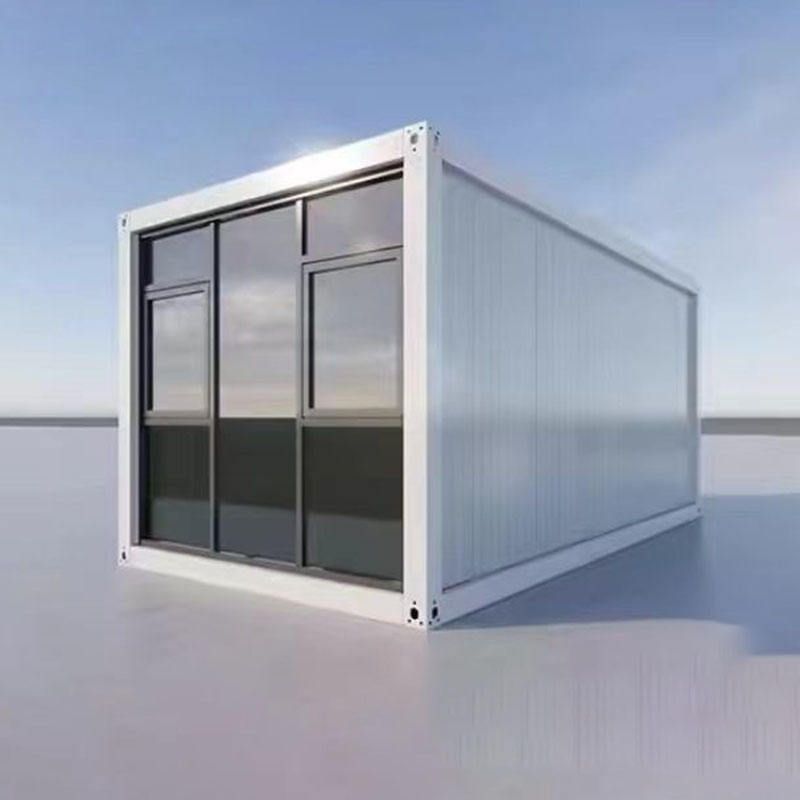
1. Foundation Site Selection and Fixation Prioritize flat terrain with no direct exposure to strong winds and away from low-lying areas prone to water accumulation. If the ground is soft, lay crushed stone or steel plates to enhance stability. For hard surfaces, use a combination of screw anchors, ground stakes, or sandbags for fixation. On soft ground, increase the number of anchor points and supplement with sandbags or weight blocks. It is recommended to set up 4 fixation points for each unit, using professional ground anchors secured with expansion screws or weighted sandbags at the base. Additionally, add sandbags or water bags as weights at the bottom of the toilet, placing at least 4-6 bags on each side to ensure a weight of no less than 50 kilograms per square meter.
2. Structural Reinforcement Select corrosion-resistant, high-strength materials such as galvanized steel angle bars or aluminum alloys for the main frame, constructing a sturdy skeleton with added horizontal and vertical supports. Install ground anchors at the corners or key stress points, connecting the top with steel wires over 5mm in diameter to form a triangular tension structure. Keep the tension wires tight and add spring clips for easy adjustment. The roof should be designed with a drainage slope and equipped with wind-resistant edges and support rods to prevent water accumulation and uneven loading. If necessary, set up diagonal reinforcement points at the corners and middle to form a grid structure, and add horizontal support rods to enhance overall rigidity.
3. Door and Window Sealing and Wind Protection Check the sealing strips of doors and windows for aging and replace damaged parts promptly. Ensure locks are secure when closed and fill gaps with windproof strips. During strong wind warnings, install windproof barriers on the inside of doors to reduce wind pressure impact. Sealing strips should be installed at door and window openings, and critical joints should adopt dual sealing designs for both water penetration prevention and wind protection to prevent wind and rain infiltration.
4. Temporary Reinforcement Measures Before a typhoon arrives, secure movable components such as sinks and shelves to prevent damage from shaking. Install steel pipe-welded diagonal wind braces on the sides of the toilet to enhance wind resistance. Additionally, reinforce exposed pipelines, close ventilation openings, and cover the top of the equipment with windproof covers if necessary to reduce wind resistance.
5. Routine Inspection and Maintenance Before leasing, inspect the equipment for rust and loose components, focusing on connection points such as screws and hinges. During the leasing period, inspect the fixation bolts for looseness and the weights for displacement on a weekly basis. Ensure drainage holes are clear during the rainy season. Check the structural integrity before and after each use to ensure the wind protection system is in good condition.
6. Material Selection Standards Use weather-resistant materials such as HDPE or FRP composite panels for the outer shell and doors/windows. The main frame should be made of corrosion-resistant, impact-resistant high-quality steel or fiberglass, with a thickness that meets wind resistance requirements. Reinforcement and connection components (such as bolts and nuts) should be made of stainless steel or coated with anti-corrosion materials to prevent corrosion and loosening. Select anchor components that are reusable and have good tensile and shear resistance based on the terrain. For straps and fasteners, choose a weather-resistant webbing system with binding points set every 2-3 meters to prevent local slippage.



