How to Build an Outdoor Mobile Toilet
There are three main methods for constructing outdoor mobile toilets: factory-prefabricated installation, self-made water tank structure, and tent-style setup, as detailed below:

Factory-Prefabricated On-Site Installation
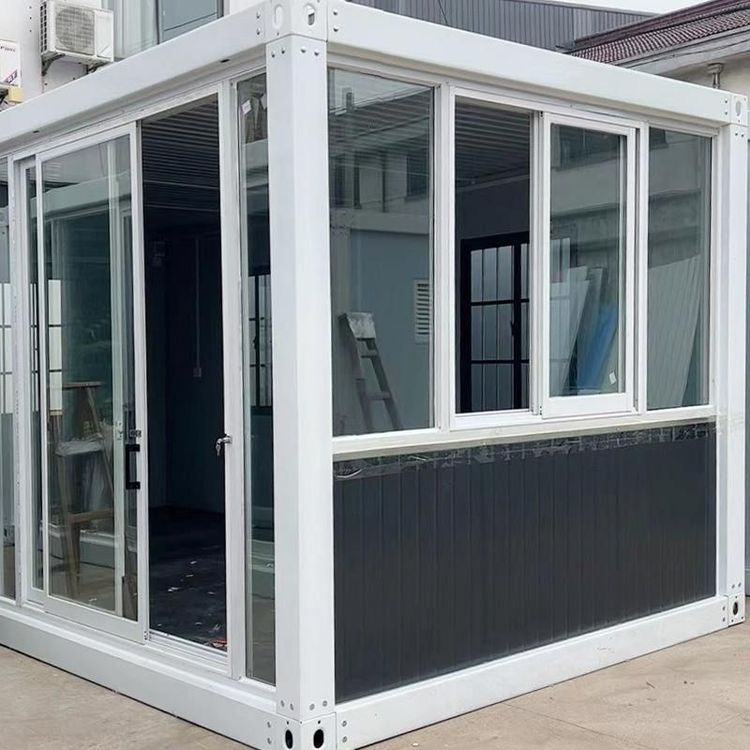
This is currently the mainstream construction method, with its core being factory-standardized production and rapid on-site assembly. The main frame is constructed using steel welding techniques, with channel steel or I-beams at the base to enhance load-bearing capacity, and square steel for the columns to ensure structural stability. There are diverse options for wall materials: color-coated steel sheets are cost-effective and lightweight, fiberglass reinforced plastic offers strong corrosion resistance, and stainless steel combines aesthetics with durability. The installation process is akin to building with blocks, where the main frame is completed by splicing and fixing the columns, eliminating the need for complex civil engineering works such as foundation excavation and concrete pouring. For example, a mobile toilet project in a scenic spot was assembled in just 2 hours and put into use the next day. The advantages of this method lie in its short construction period and strong relocatability, but it requires prior measurement of the site dimensions to ensure compatibility with the prefabricated components.
Self-Made Using Water Tanks and Pallets
This method is suitable for temporary or low-cost scenarios, with its core logic being modular combination and functional integration. Using a plastic pallet as the base, universal wheels are installed to enable mobility. Two top-opening water tanks are stacked to form a double-layer structure, with the upper tank cut to create a doorway and drainage outlet, and the lower tank serving as a sewage storage chamber. By installing a toilet (either direct-discharge or circulating water type), a sink, a faucet, and other facilities, and connecting the water system with PVC pipes, the enclosed space is completed by fixing the door panels with hinges. An outdoor exploration team once used this method, repurposing discarded oil drums as water tanks, to build a mobile toilet for three people within 4 hours. The key points include testing the water tank's sealing and designing the pipe slope to prevent sewage backflow or leakage.
Tent-Style Outdoor Toilet Setup
Designed for extreme temporary needs, its core features are lightweight and rapid deployment. A snap-button tent (not the quick-open type) is selected, with the main frame completed by inserting rods into the tent sleeves and securing them with snap buttons, typically exceeding 2 meters in height to ensure user comfort. A moisture-proof ground cloth is used to isolate ground moisture, and portable toilets, garbage bag hooks, and other accessories can be added inside. This approach was adopted at a music festival, where a single tent took only 10 minutes to set up and could be folded and stored in a backpack after the event. Precautions include selecting tent materials with a wind resistance rating of at least 6, adding light-blocking cloth or barriers around the tent for privacy, and regularly cleaning up waste to prevent odor spread.