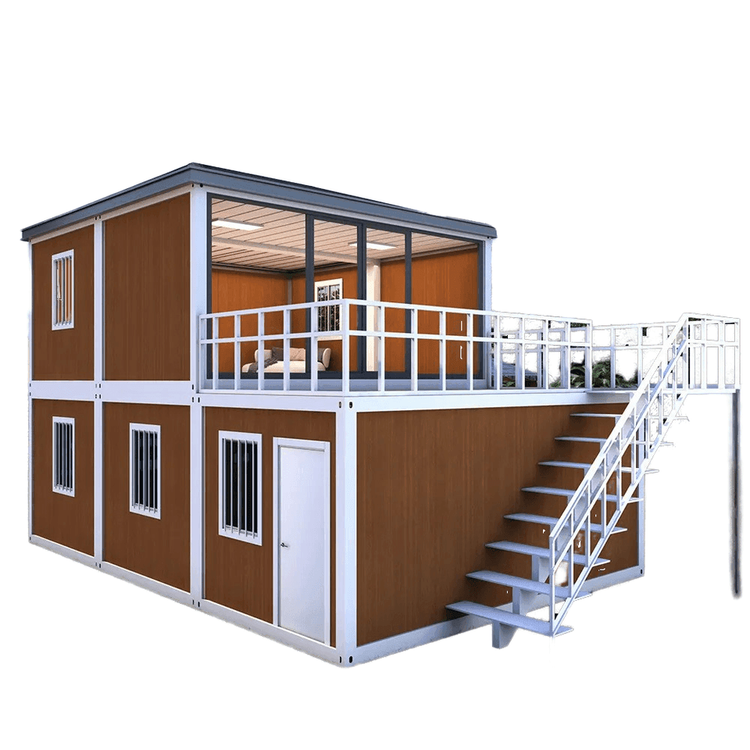
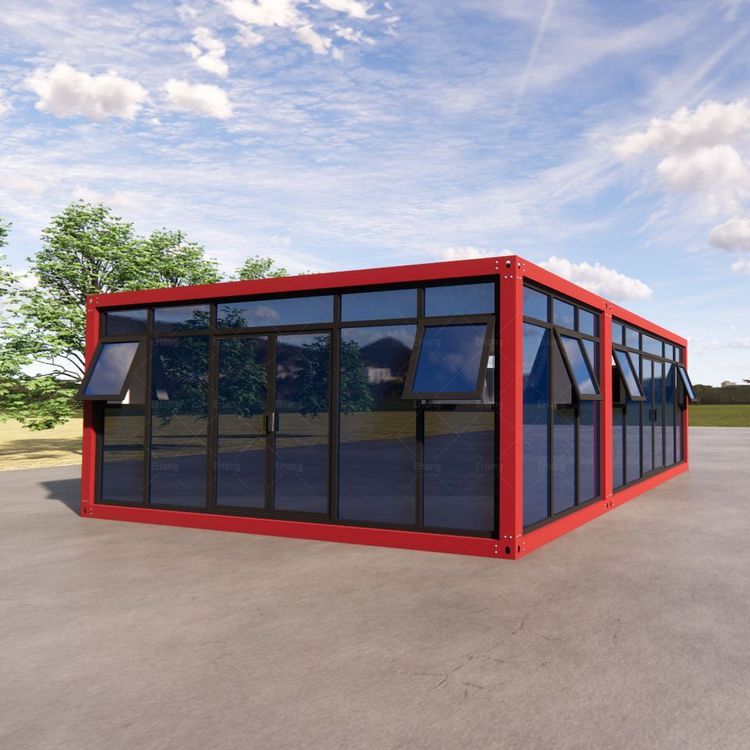
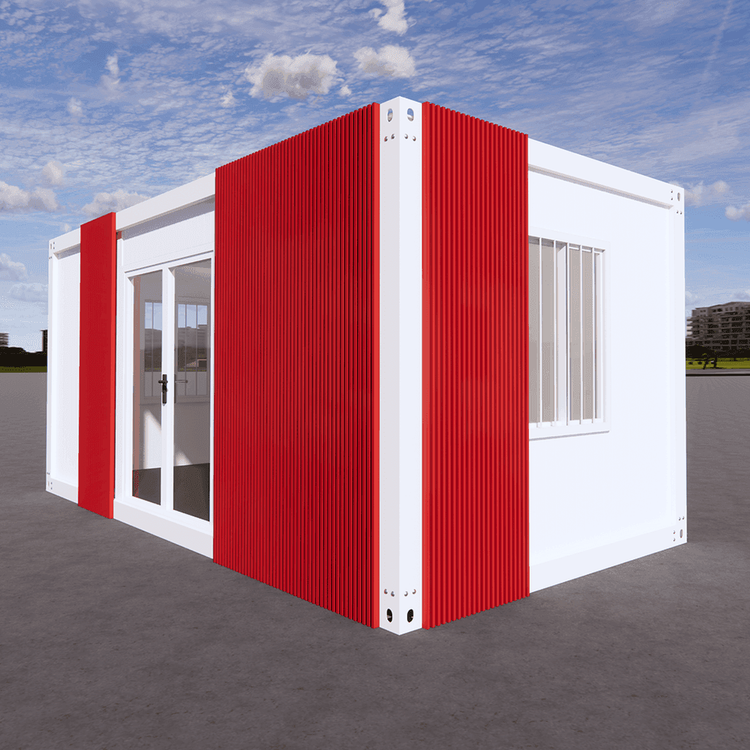
Anti-Corrosion and Rust Prevention for Outdoor Mobile Toilets
Anti-corrosion and rust prevention for outdoor mobile toilets can be achieved through comprehensive measures such as treatment of the main steel frame, selection of wall and floor materials, optimization of internal facilities, and material selection. The specific methods are as follows:

1. Anti-corrosion treatment of the main steel frame The main steel frame is the core supporting structure of outdoor mobile toilets, and its anti-corrosion performance directly affects the overall service life. It is advisable to prioritize the use of thickened galvanized square steel as the overall welding frame. The galvanized layer can effectively isolate the steel from contact with air and moisture, thereby delaying oxidation and rusting from the source. After welding is completed, the weld positions need to be polished and derusted to remove the oxide scale and impurities generated during the welding process. Subsequently, multi-layer anti-corrosion paint treatment (such as epoxy zinc-rich primer + polyurethane topcoat) should be carried out to form a dense protective layer and further enhance anti-corrosion capabilities. Some designs also adopt thickened galvanized square tube welding, increasing the thickness of the steel to enhance structural strength while reducing the risk of rusting caused by external force damage.
2. Moisture-proof and anti-corrosion treatment of wall panels and floors The material selection for walls and floors should take into account moisture resistance, anti-corrosion, and durability. Exterior wall panels should be made of materials with high density and strong moisture resistance (such as metal carved panels and aluminum-plastic panels) to prevent rainwater infiltration from causing rusting of the internal structure. Interior wall panels need to have anti-corrosion properties (such as anti-corrosion wood and PVC panels) to prevent mildew or decay caused by humid environments. For floor materials, it is recommended to use anti-slip ceramic floors, which have a smooth surface, are easy to clean, and do not easily retain sewage. Paired with stainless steel deep-water seal floor drains, they can effectively eliminate standing water and prevent floor deformation or rusting of metal components due to long-term moisture.
3. Waterproof treatment of internal supporting facilities and water and electricity systems For mobile toilets exposed to the outdoors for long periods, their internal facilities (such as showers, bath heaters, sanitary ware, switches, and sockets) and water and electricity systems need to have a high waterproof rating. All electrical components should be selected as waterproof and durable models (such as IP65-rated protection). Wiring should use national standard cables and be laid out in a standardized manner to avoid rusting caused by cable aging or short circuits. Leakage protection devices must comply with national standards to ensure safe operation in humid environments. In addition, the connections of water and electricity should be sealed (such as with silicone sealing rings) to prevent rainwater infiltration and oxidation of metal components.
4. Diversification and adaptability of material selection Depending on the usage scenario and budget, materials such as color-coated steel sheets, metal carved panels, anti-corrosion wood, and aluminum-plastic panels can be selected. Color-coated steel sheets are cost-effective and highly corrosion-resistant, suitable for short-term use. Metal carved panels combine aesthetics with moisture resistance, making them suitable for scenic spots and other scenarios. Anti-corrosion wood is naturally resistant to insect infestation but requires regular maintenance. Aluminum-plastic panels are lightweight and easy to clean, suitable for high-frequency usage scenarios. By reasonably combining materials, a balance can be achieved between anti-corrosion performance and cost-effectiveness.