How to Modify Mobile Toilets
The modification of mobile toilets should be tailored according to actual needs, making targeted adjustments in dimensions such as structural form, mobility method, and sewage treatment approach. Here are the specific modification methods:
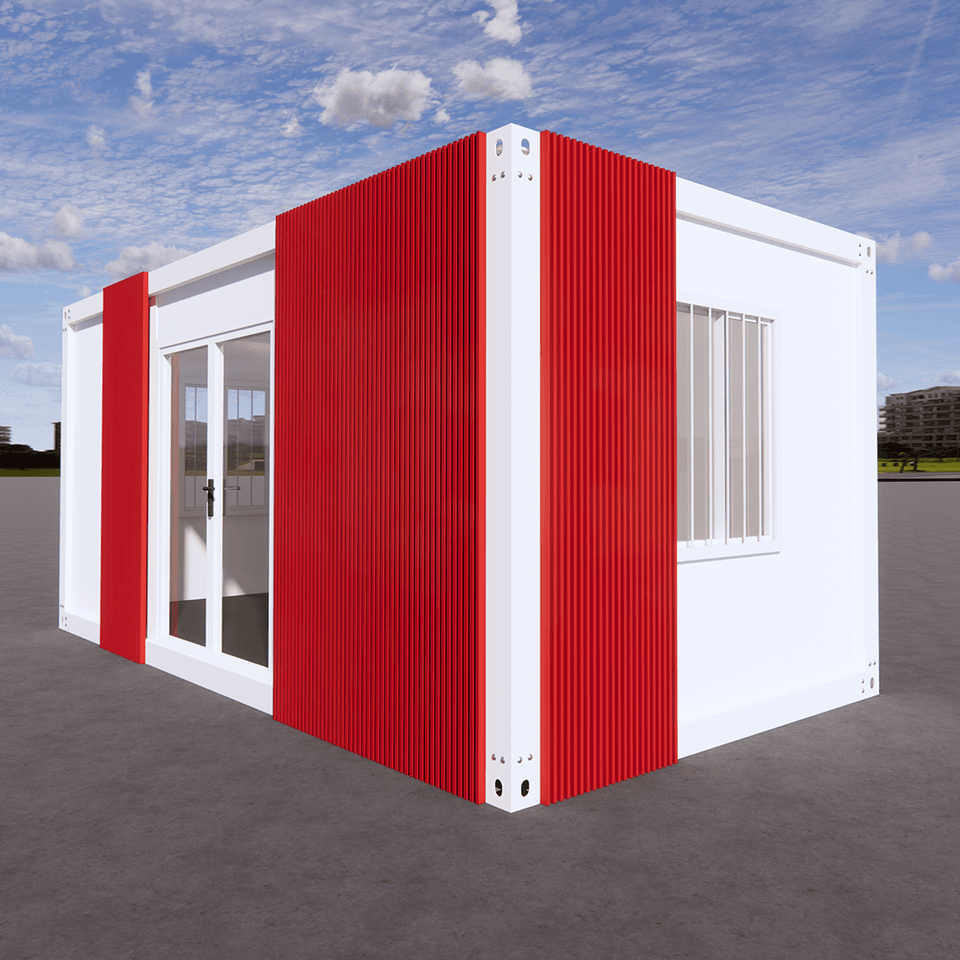
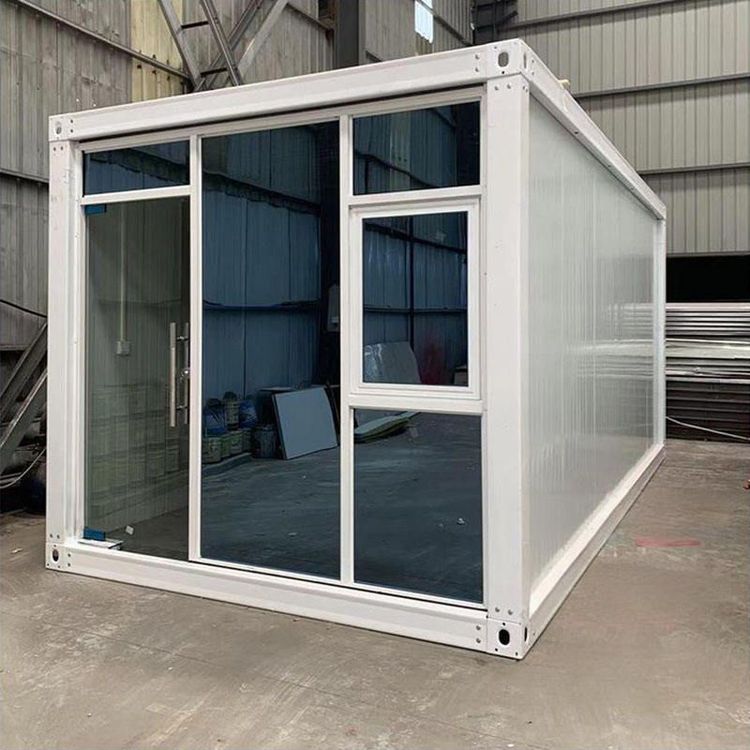
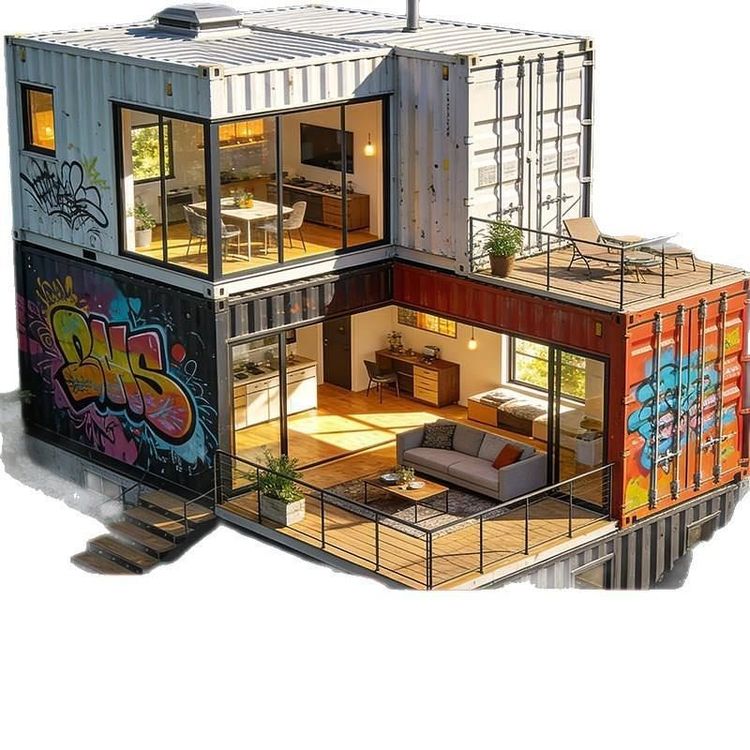
1. Modification by Structural Form Mobile toilets come in two main structural forms: single-unit and composite. Single-unit mobile toilets are typically independent units suitable for limited-space or temporary scenarios. During modification, the internal layout can be optimized, such as adding partitions to enhance privacy or adjusting the positions of doors and windows to improve ventilation. Composite mobile toilets are composed of multiple functional modules, offering greater flexibility in modification. Modules can be added or removed based on needs, for example, adding maternal and child care modules or barrier-free facility modules in tourist attractions to enhance the user experience. During modification, attention should be paid to the connection stability between modules to ensure overall structural safety.
2. Modification by Mobility Method The mobility method of mobile toilets directly affects their applicable scenarios. Hoisting and handling-type mobile toilets rely on lifting equipment and are suitable for short-term events or construction sites. During modification, the bottom structure can be simplified to reduce weight or anti-slip fixing devices can be added to enhance transportation safety. Powered and towed-type mobile toilets are equipped with power systems or towing devices, suitable for long-distance transportation or frequent relocation scenarios. During modification, the power system can be upgraded (e.g., replacing with electric drives) to improve mobility efficiency or the towing interface can be optimized to fit different vehicle models. After modification, mobility tests should be conducted to ensure no damage occurs during transportation.
3. Modification by Sewage Treatment Method Sewage treatment is a core aspect of mobile toilet modification. Water-flush and waterless suction-type mobile toilets rely on external water sources or regular suction and removal for sewage disposal. During modification, water-saving devices (e.g., sensor-activated flush valves) can be upgraded to reduce water consumption or the sealing of the fecal storage tank can be optimized to prevent odor leakage. Recirculating water-flush mobile toilets achieve sewage recirculation through biological degradation or physical filtration. During modification, high-efficiency filtration membranes can be replaced or disinfection modules can be added to improve water quality, or the layout of the water tank can be optimized to extend the recirculation cycle. In rural toilet modification scenarios, single-person small toilets measuring 1.1m x 1.1m x 1.1m can adopt a waterless suction design, equipped internally with a squat toilet, washbasin, ventilator, and lighting. After installation, they can be used by connecting to water and electricity supplies, with exterior colors such as sky blue or ivory white chosen to blend into the rural environment.
During the modification process, relevant standards must be strictly followed to ensure the equipment is safe, environmentally friendly, and meets usage requirements.