Back to blog
Article
Outdoor Mobile Convenient Toilet
Admin September 21, 2026
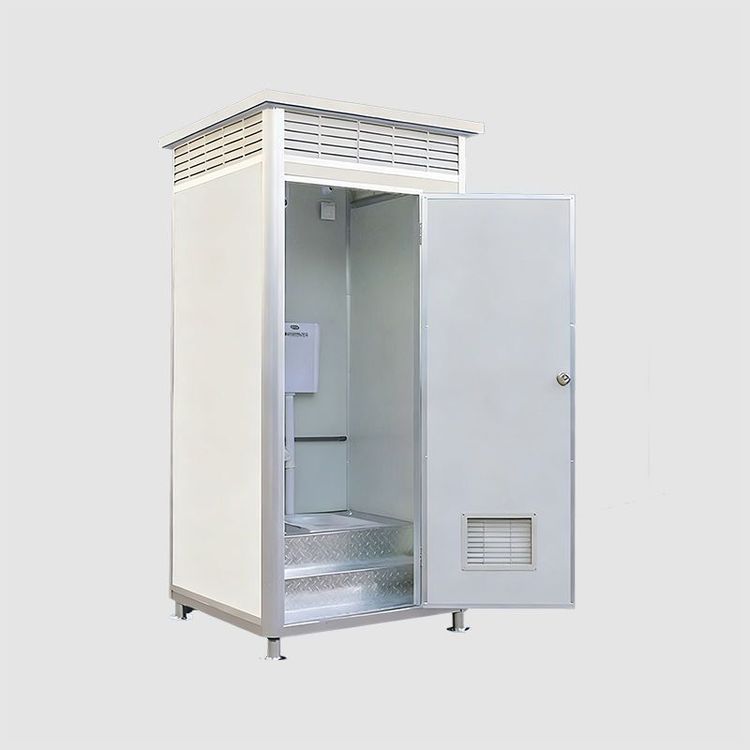
An outdoor mobile convenient toilet is a facility that can be moved as a whole, providing temporary or fixed toilet services to the public.

I. Basic Components An outdoor mobile convenient toilet is typically composed of core components such as a fecal sewage storage tank (or disposal device), floor slab, sanitary ware, walls, washing equipment, water tank, roof, and mobile device. Some high-end models are also equipped with user-friendly facilities such as sinks, toilet paper holders, and lighting systems. The internal space is designed to accommodate multiple people using it simultaneously, improving usage efficiency.
II. Structural Classifications
- By structural form: They are divided into single-unit structures and composite structures. Single-unit structures are mostly independent units, suitable for small-scale needs; composite structures are composed of multiple modules, allowing for flexible capacity expansion and are suitable for large-scale events or high-traffic scenarios.
- By mobility method: They include lifting and handling types and powered towing types. The lifting type relies on lifting equipment for transfer and is suitable for long-term use at fixed locations; the powered towing type is equipped with wheels or towing devices and can be towed by vehicles, adapting to scenarios requiring frequent movement.
- By sewage treatment method:
- Water-flush and waterless suction types: They rely on water tanks for flushing, with sewage stored and periodically transported for treatment; the waterless type collects feces through vacuum suction, reducing water consumption.
- Recirculating water-flush type: It uses biodegradation or chemical treatment technologies to purify sewage, enabling water resource recycling and reducing discharge costs.
- Dry-packing type: It uses biodegradable bags to collect feces, requiring no water source, and is suitable for water-scarce areas or regions with strict environmental requirements.
III. Core Advantages
- Mobility: Through modular design or mobile devices, they can be quickly deployed to remote areas, disaster sites, or temporary event venues, solving the problem of long construction periods for traditional toilets.
- Reusability: The main structure is made of corrosion-resistant materials (such as metal carved panels and square steel welded frames), with a long service life, reducing long-term costs.
- Customized design: It supports personalized adjustments to appearance materials (such as imitation marble floor tiles), internal layouts, and functional configurations to meet different scenario needs.
- Environmental protection and energy efficiency: The dry-packing type and recirculating water-flush type reduce sewage discharge, aligning with the concept of sustainable development.
Related