
Outdoor Container Restaurant House
Outdoor container restaurant houses are mobile commercial spaces formed by transforming, reinforcing, and decorating containers as the main structure, featuring modularity, mobility, short construction periods, and a strong industrial aesthetic style. The following provides an introduction from the aspects of design, functionality, advantages, and application scenarios:
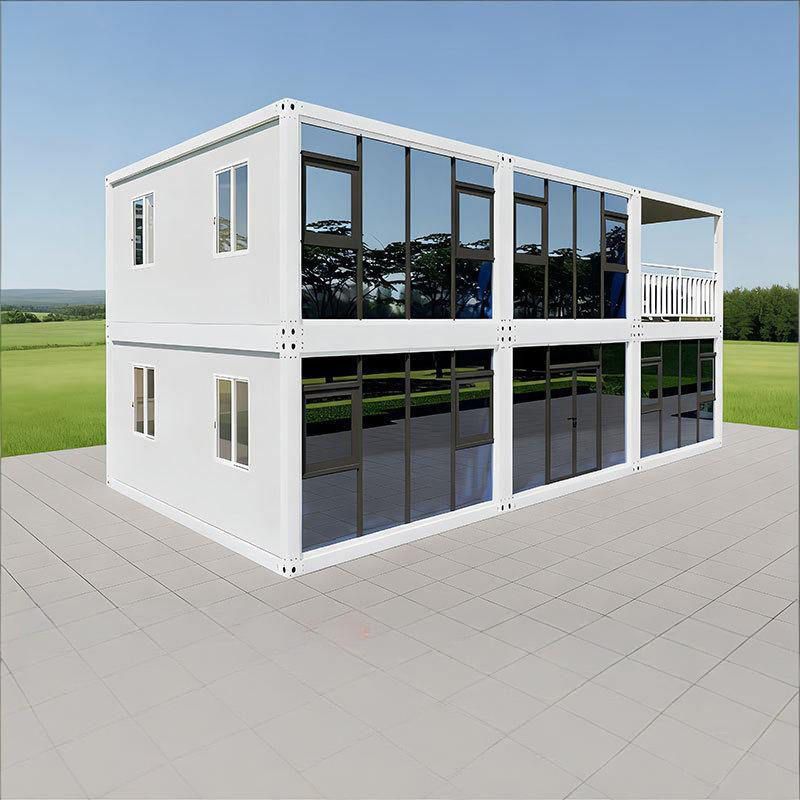
Design: The floor plan, building width, roof form, window and door arrangements, and overall appearance of container houses can be designed according to specific project requirements. For example, container restaurants can blend the industrial character of containers with the surrounding environment. The container restaurant at Port Czerniakowski in the Mokotów district of Warsaw combines steel structures with buoys, offering both stability and flexibility, and showcasing a clean and powerful aesthetic with its lines. Interior space design can also maintain a minimalist essence, decorated with specific themes. For instance, a travel and exploration theme keeps decorative elements restrained and minimal, allowing the external scenery to take center stage. Large windows incorporate the water and sky into the interior, creating an experience of human-nature integration.
Functionality: Container houses can provide standardized electrical solutions based on business needs, including lighting, sockets, reserved spaces for air conditioning units, exhaust fans, and distribution boxes. If a simple food preparation area is set up, considerations for water supply and drainage pipes, waterproofing layers, and non-slip flooring are also necessary. In terms of internal layout, the positions of workbenches, storage cabinets, and cash registers can be optimized according to operational workflows.
Advantages: Their modular and mobile nature allows for short construction periods and rapid deployment. They possess a strong industrial aesthetic style that attracts consumers. The materials can be recycled throughout their lifecycle, making them environmentally friendly with low dismantling and assembly loss rates. When a project ends, they can be hoisted and moved to a new site as a whole.
Application Scenarios: In recent years, they have been widely used in scenic spots, commercial streets, community squares, and other settings. For example, they can serve as specialty restaurants in scenic spots to attract tourists, as trendy coffee shops in commercial streets to meet consumers' leisure needs, or as community centers in community squares for people to socialize, relax, and make new friends.



