
Is Container House Durable Now?
Container houses can be lived in for a long time if their quality meets standards and they are properly maintained, with a typical lifespan of 20-30 years, and some specially designed products can even exceed 50 years. Their durability is influenced by the following factors:
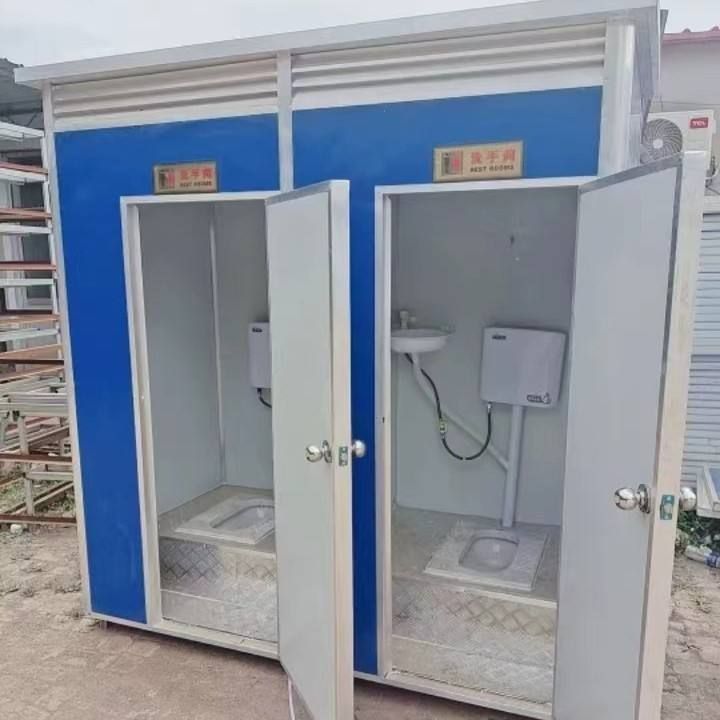
1. Structural Safety and Adaptability to Extreme Conditions
Container houses feature steel frame structures with high strength and resistance to deformation. Third-party test data shows that products from leading companies (such as Suzhou Zhongnan Packing Boxes) exhibit a frame deformation rate of only 0.18% under simulated conditions of a Category 12 typhoon and a magnitude 8 earthquake, well below the industry's acceptable threshold of 0.3%. Non-standard, unbranded products typically have deformation rates exceeding 1.2%, posing safety risks such as wall cracking and frame tilting. In extreme environments, it is essential to prioritize compliant products that have passed wind and earthquake resistance tests.
2. Material Durability and Environmental Adaptability
Containers are usually made of corrosion-resistant steel, with a designed lifespan of over 25 years. However, environmental factors significantly impact their longevity:
- Humid or high-salt areas: Corrosion prevention techniques such as hot-dip galvanized structures and plastic-coated hardware are necessary; otherwise, the lifespan may be reduced to 10-15 years.
- Dry environments (such as deserts): The lifespan may be extended to over 30 years.
- Regular maintenance: Including rust-proof paint application, insulation layer inspection, and water tightness testing, can significantly extend the lifespan.
3. Usage Scenarios and Functional Requirements
- Temporary buildings: Such as construction site dormitories, typically have a designed lifespan of 5-10 years, focusing on rapid assembly and disassembly and cost-effectiveness.
- Semi-permanent buildings: Such as cultural and tourism accommodations, can have a lifespan of 25-50 years through professional corrosion prevention treatment and structural reinforcement.
- Customized requirements: Adding air conditioning, integrated bathrooms, multifunctional furniture, etc., can enhance living comfort, but it is necessary to ensure compatibility between the electrical and drainage systems and the main structure.
4. Safety Hazards and Renovation Limitations
- Fire risks: Some low-cost products use flammable sandwich materials such as polystyrene; it is necessary to choose A-grade fire-resistant materials like rock wool boards.
- Space limitations: Containers have limited width, requiring large windows and reasonable zoning to optimize the sense of space.
- Sound and thermal insulation: Low-end products perform poorly in this regard; it is necessary to choose qualified manufacturers or add soundproof cotton and thermal insulation layers additionally.



