
Original Ecological Style Mobile Toilet
The original ecological style mobile toilet typically integrates natural elements with eco-friendly technologies, combining aesthetics with functionality. Its design features can be elaborated from four aspects: appearance, eco-friendly technologies, material selection, and customized services:
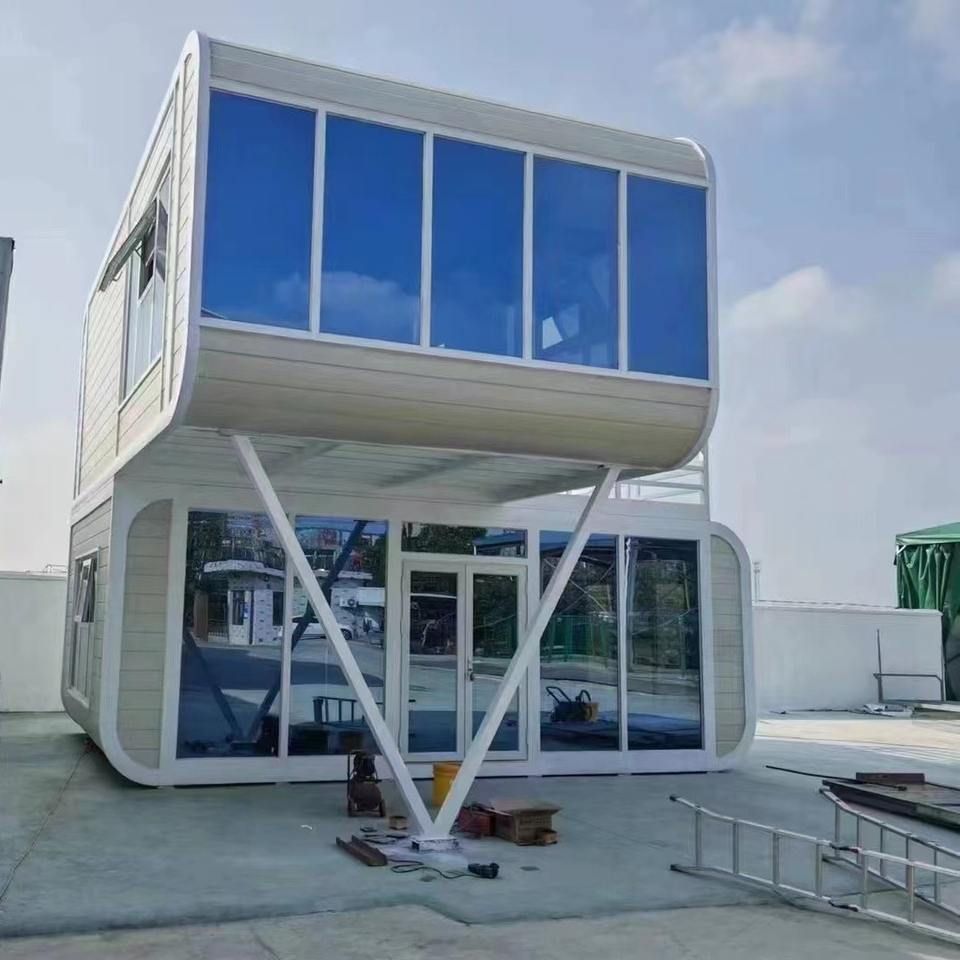
1. Appearance: Incorporating natural elements to create a pastoral aesthetic
The exterior design of original ecological style mobile toilets often draws inspiration from pastoral styles, using natural elements to soften industrial aesthetics. For example, products launched by Dezhou Hongtu Metal Products Co., Ltd. feature pitched roofs covered with thatch or imitation thatch materials, mimicking traditional rural architectural forms and creating a rustic visual effect. The natural texture and warm tones of the thatch harmonize with natural elements in the environment, such as vegetation and soil, reducing the visual impact of the structure on the landscape. Additionally, some products incorporate curved walls or wooden lattice decorations to further enhance the natural ambiance, making them suitable for scenic spots, parks, rural areas, and other settings.
2. Eco-friendly technologies: Microbial degradation and recirculating water systems to reduce resource consumption
Eco-friendliness is a core characteristic of original ecological style mobile toilets. Their technological approaches mainly fall into two categories:
- Microbial degradation technology: Specific bacterial strains are used to decompose feces into harmless carbon dioxide and water, eliminating the need for connection to sewers or septic tanks, making them suitable for areas lacking water or municipal infrastructure.
- Recirculating water flushing technology: Biological membrane filtration or membrane bioreactors (MBRs) are employed to treat wastewater, enabling water reuse. Single flush water consumption can be as low as one-tenth of that of traditional toilets, significantly reducing water usage.
Some products are also equipped with solar power systems to provide clean energy for lighting, ventilation, and other equipment, further reducing carbon emissions.
3. Material selection: Balancing eco-friendliness with durability
To align with ecological principles, the exterior and interior decorative materials of mobile toilets are predominantly eco-friendly:
- Exterior walls: Metal carved panels with polyurethane insulation layers inside are used, offering fire resistance and thermal insulation, adaptable to extreme climates ranging from -40℃ to 60℃. The surface is coated with imitation wood or stone paint to simulate the texture of natural materials.
- Interior: Walls are made of bamboo-wood fiber panels, which are moisture-resistant and mold-proof, with no formaldehyde emissions during production. The floor is laid with anti-slip tiles or composite flooring for safety, while sanitary fixtures are made of ceramic or stainless steel for corrosion resistance and easy cleaning.
4. Customized services: Flexibly adapting to scenario-specific needs
Mobile toilet companies can provide personalized customization based on project requirements, including exterior colors, logo designs, and functional modules. For instance, scenic spots may request exterior paint colors matching surrounding buildings or the addition of regional cultural patterns. Internally,母婴室 (maternity rooms), barrier-free facilities, or intelligent monitoring systems can be added to enhance user experience. Additionally, modular design allows for rapid assembly and disassembly, facilitating adjustments in toilet quantity or location based on foot traffic.



