
Ordos Mobile Environmental Toilet
There is relevant information on the sales, bidding, and leasing of mobile environmental toilets in Ordos. Here is a detailed introduction:
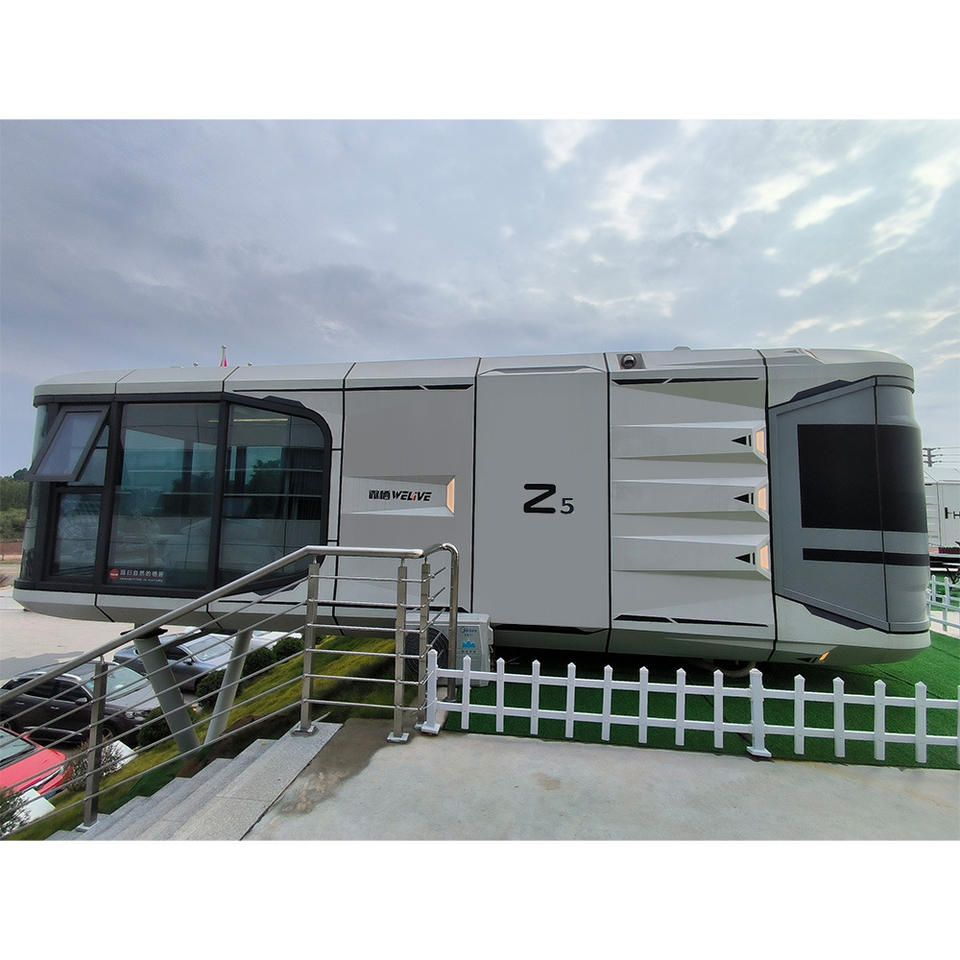
Sales: Inner Mongolia Sanfeng Environmental Protection Engineering supplies genuine waterless packing mobile toilets in Ordos. The sales price is subject to negotiation. The shipping location is Bayannao'er League, Inner Mongolia, with no restrictions on the shipping deadline. Customization according to requirements is also available.
Bidding: The Environmental Sanitation Service Center of Dongsheng District, Ordos City, has a bidding project for a towed mobile public toilet. The project number is ESZCDSS - G - H - 250132. The budget amount and the maximum limit for the contract package are both 900,000.00 yuan. One towed mobile public toilet is to be procured, and joint bids are not accepted. The contract performance period is from the date of contract signing to the end of the warranty period. The time for obtaining bidding documents is from July 25, 2025, to August 1, 2025. The deadline for submitting bidding documents and the bid opening time is 09:00:00 on August 15, 2025, at the Inner Mongolia Autonomous Region Government Procurement Network (Government Procurement Cloud Platform).
Leasing:
- Model Advantages: It provides modular and relocatable solutions, integrating public health functions to meet the needs of short-term, high-density crowd gatherings.
- Technology Integration: The internal system involves multiple fields. Technologies such as water supply, sewage treatment, box structure, and ventilation and deodorization are mature, with comprehensive performance close to that of fixed facilities.
- Regional Effects: In Ordos, precise layout can be carried out based on grassland carrying capacity to avoid random discharge and reduce the impact on the grassland ecosystem.
- Experience Improvement: It improves the outdoor activity experience in terms of accessibility and psychological acceptance, reducing participants' time and physical consumption and enhancing the user experience.
- Service Model: It gives rise to a dynamic resource allocation system, requiring service providers to establish equipment inventory and a complete operation chain.
- Environmental Protection: It reduces resource consumption and pollution in facility use and waste treatment links.
- Operation Process: It includes demand assessment, transportation and installation, cleaning and maintenance, consumable replenishment, dismantling and recycling, etc.
- Economy: Users pay fees according to the usage cycle, and service providers can spread costs through multiple leases to match the requirements of both supply and demand.
- Design Adaptation: It needs to adapt to regional climate characteristics, such as winter freeze protection and enhanced ventilation in summer.



