Opportunities for Prefabricated Modular Housing
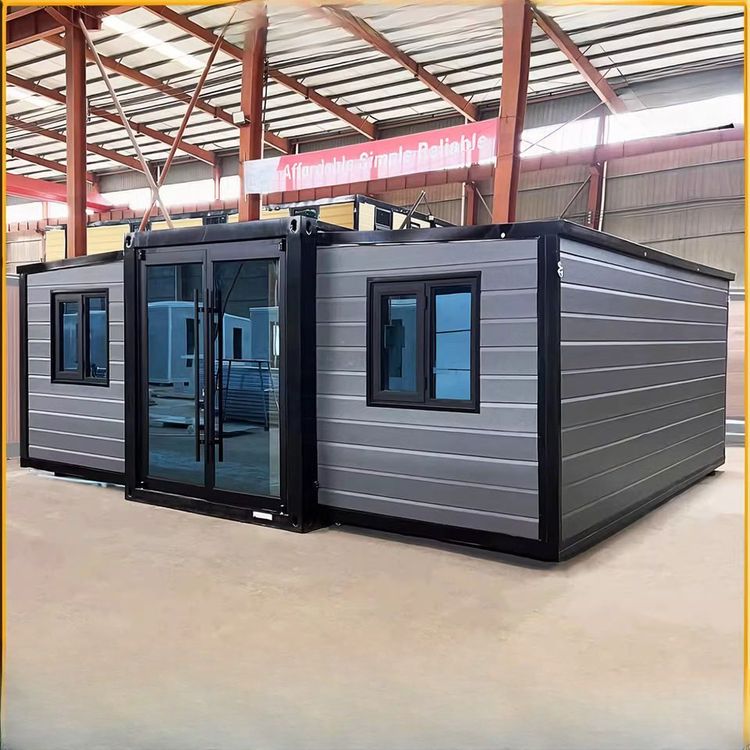
The opportunities for prefabricated modular housing (modular construction) are mainly reflected in five aspects: global market expansion, driven by policy and industry transformation, technological and cost advantages, expansion of application scenarios, and collaborative export of the industrial chain.
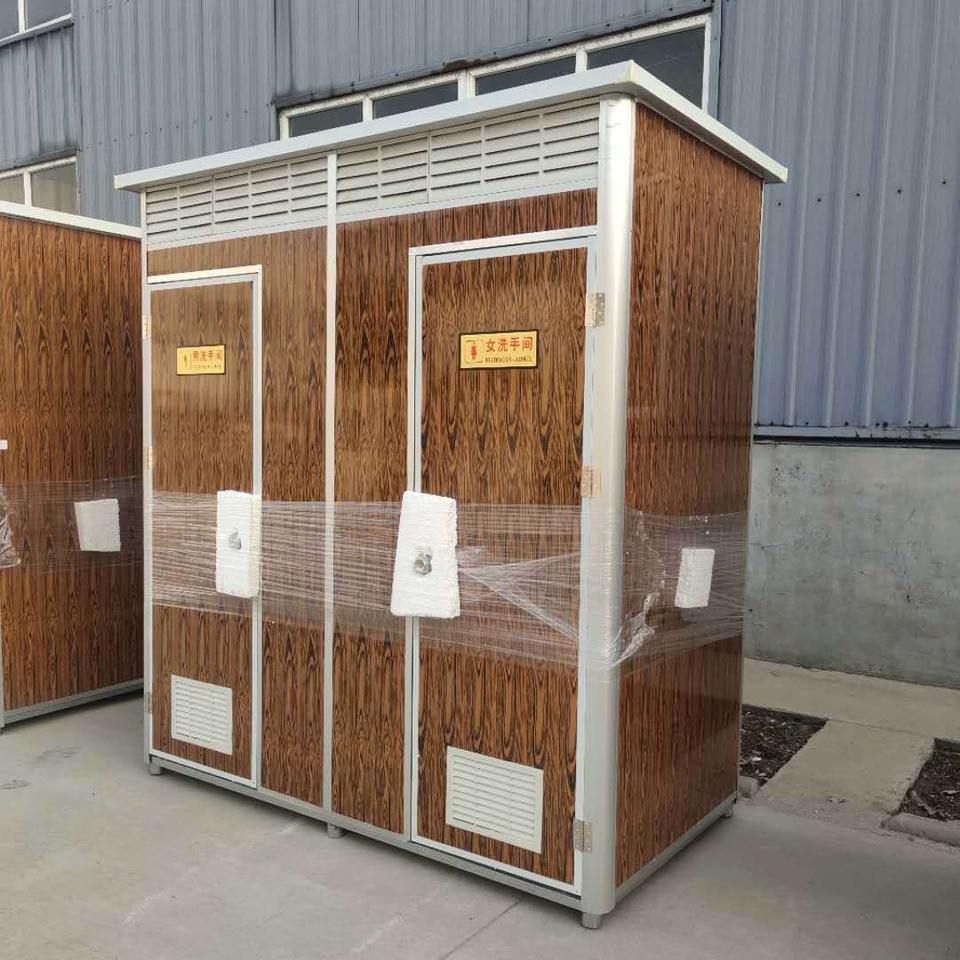
1. Vast global market space with sustained demand growth According to market research firm projections, the global modular construction market is expected to surpass $142.8 billion by 2030. In 2022, the global prefabricated housing market reached RMB 974.792 billion and is projected to grow to RMB 1,455.636 billion by 2028. China's prefabricated construction exports have performed exceptionally well, with export value nearly tripling from 2015 to 2025 and a 45% growth rate in the first quarter of 2026. In the first four months of 2024, enterprises across the country exported RMB 1.68 billion worth of modular buildings through Shenzhen ports, a 19.6% year-on-year increase, covering more than 150 countries and regions. The strong demand in overseas markets provides broad development space for the industry.
2. Dual drive of policy support and industry transformation needs Since 2013, China has promoted the development of prefabricated construction through various policies, such as the goal set in 2016 to achieve a 30% share of prefabricated buildings in new construction area within ten years, the advancement of new construction industrialization technologies in 2020, and the explicit promotion of prefabricated decoration and construction in the 2024 '15th Five-Year Plan for Urban Renewal'. Traditional construction has led to resource waste and environmental pollution due to extensive construction methods, making the development of prefabricated construction an important direction for transformation and upgrading. The dual drive of policy and industry needs provides development opportunities for modular construction.
3. Significant technological advantages and outstanding cost competitiveness Modular buildings are manufactured in factories, reducing construction time by more than 60% compared to traditional buildings, decreasing on-site labor by about 50%, and ensuring controllable quality, energy efficiency, environmental protection, and ease of maintenance. The main reason overseas customers choose Chinese products is their significant price advantage. For example, British merchants state that Chinese modular buildings are 'unmatched in price,' and customers in Papua New Guinea continue to repurchase due to high labor costs. Technological advantages and cost competitiveness make Chinese modular buildings highly attractive in the international market.
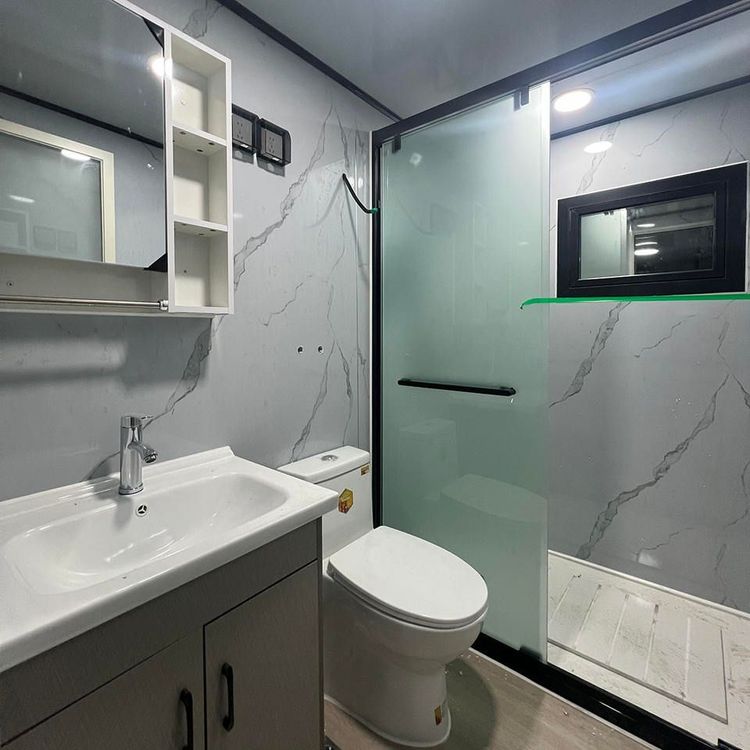
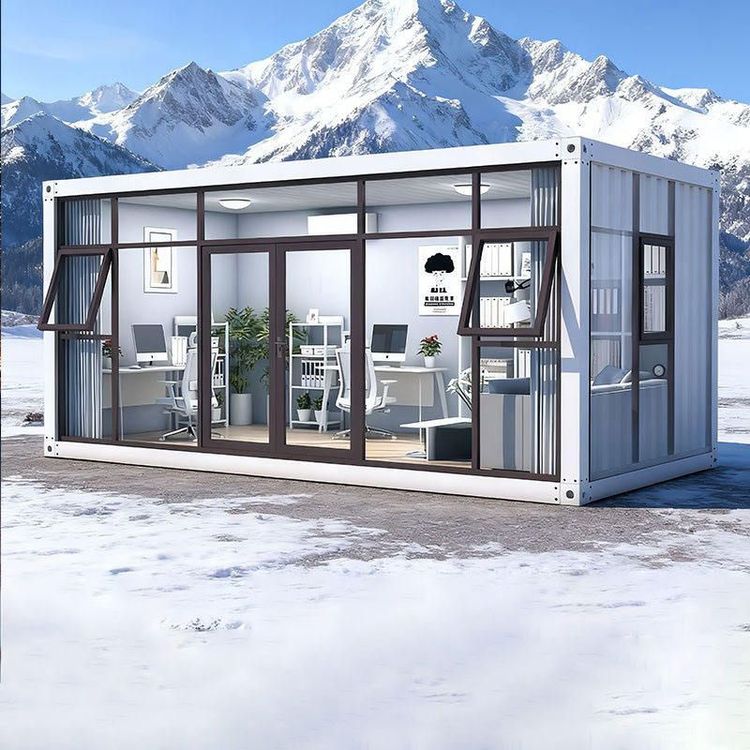
4. Continuous expansion of application scenarios to meet diverse needs Modular buildings can be widely used in hotels, apartments, dormitories, office buildings, hospitals, data centers, and other fields, especially suitable for projects sensitive to construction timelines. For instance, the Guangdong Shenzhen affordable housing project was assembled using 6,028 concrete modules, reducing the completion and delivery time from 2.5-3 years to 1 year; a UK elderly care apartment project completed on-site hoisting of 63 modules in just two weeks. The expansion of application scenarios further promotes the market penetration of modular buildings.
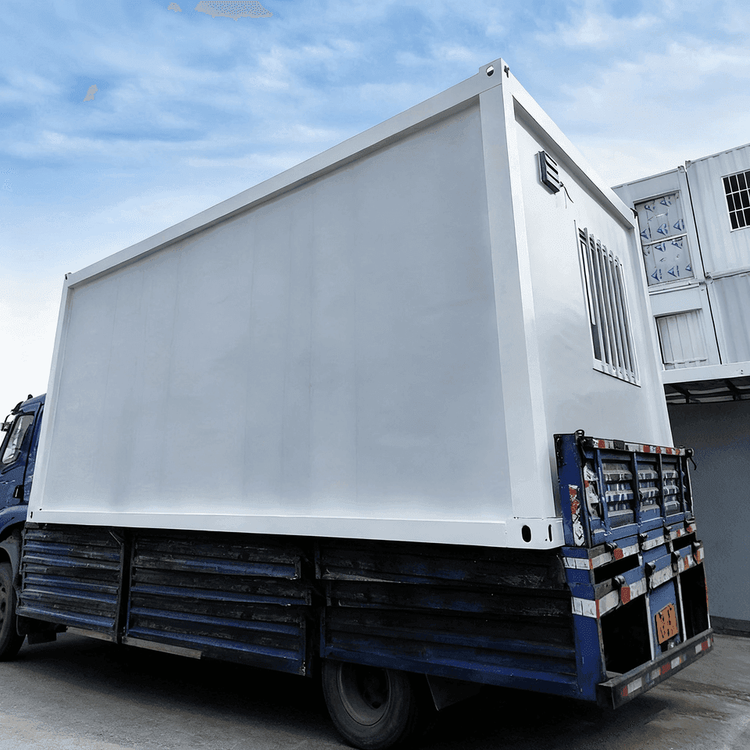
5. Well-coordinated industrial chain with huge export potential China has formed a complete industrial chain from design and R&D, intelligent production to ocean logistics and overseas installation, with regions like Guangdong Province promoting industrial cluster development through policy pilots. With technological maturity and explosive growth in overseas orders, prefabricated modular housing is transitioning from 'house building' to an export business. Industrial chain coordination and export potential provide strong support for the long-term development of the industry.